With the demand side of the multifamily market still at staggering levels, only macroeconomic conditions seem to pose any risk to the sector in the near term.
Most indicators for market health remain quite positive, though debt financing now has a negative outlook, in the National Multifamily Housing Council's Quarterly Survey of Apartment Market Conditions released on Friday. Across the four indices categorized by NMHC, a large percentage of multifamily landlords responded that conditions did not materially change in the fourth quarter.
The Market Tightness Index decreased from 82 to 69 from Q3 to Q4, still well above the breakeven point of 50, with 49% of respondents reporting that market conditions tightened over the past quarter, 12% reporting loosening conditions and 40% reporting no change, NMHC reports. A similar breakdown of responses led the Sales Volume Index to decrease from 79 to 59 over the same period — still a positive indicator for sales volume, although much narrower.
“We are continuing to witness strong demand for apartments across the entire U.S., but most notably in the Sun Belt, where most markets have seen double-digit rent growth that has more than made up for the pandemic slowdown,” NMHC Chief Economist Mark Obrinsky said in a statement released with the report. “And even as construction continues to rebound from the lows of 2020, absorptions have more than kept pace, such that apartment occupancy remains at record-highs.”
The one index that increased in the previous quarter was the Equity Financing Index, which ticked up from 65 to 67, indicating slightly more optimism in the ability to secure equity financing among multifamily landlords. The Debt Financing Index decreased from 48 to 36, as landlords come to terms with the effects of inflation on borrowing costs.
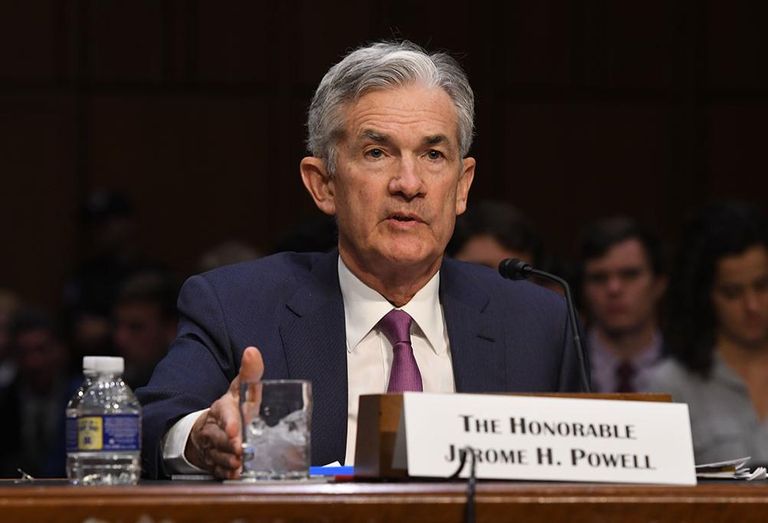
With the end of 2021 coinciding with a rate of inflation not seen since 1982, Federal Reserve Chair Jerome Powell indicated after the financial institution's latest meeting that interest rate hikes will likely be more frequent than was projected even a month ago, and could possibly be steeper each time than the last time the Fed raised rates back in 2015, The Washington Post reports.
The prospect of a more aggressive stance against inflation from the Fed sent stocks tumbling in late January, including those of real estate investment trusts. While multifamily rents are easier to keep in line with inflation and interest rates than commercial rents, the combination of current economic conditions and a continued flood of investors into the apartment market is providing a counterbalance to the meteoric rise of asking rents across the country.