Birmingham's serviced office sector has grown from 2% of the market in 2016 to 20%, according to new office market data from KWB.
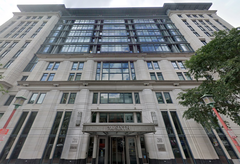
The analysis shows the 1000% growth in the serviced office sector's share of the market was spread among a large number of active operators. IWG, which owns the Regus brand, alone took nearly 110K SF in the final quarter of 2017 at The Crossway and the Lewis Building.
“Serviced and managed offices are now regarded as ‘cool’ by millennials, as a more permanent, rather than a start-up or interim arrangement," KWB Office Agency Director Mark Robinson said.
"The approach by different providers, and in different locations, is also now much more tailored. Regus is differentiating its offering between The Lewis Building which is likely to be more traditional HS2 contractor-led space, and The Crossway which will offer a more relaxed ‘jeans and T-shirts’ office environment, catering for a different area of the market, similar to Alpha Works.”
KWB data also showed that the final quarter of 2017 broke the record for office transactions in Birmingham in a single three-month period. The first quarter saw a total of 354K SF across 49 transactions thanks to increased flexibility in the market, as a result of an increase in serviced and managed office space, and landlords prepared to do deals, Robinson said.

Separate data from Cushman & Wakefield confirm the growth of the co-working sector.
The firm’s Co-working 2018 report reveals the extent to which the sector has evolved and matured.
Take-up of flexible workplace in the U.K.’s largest regional cities, including Birmingham, Bristol, Cardiff, Edinburgh, Glasgow, Leeds, Manchester and Newcastle, increased from 2% of all city centre lettings in 2016 to 7.5% of take-up in 2017. This increase was largely driven by the rapid expansion of WeWork and Spaces, which were responsible for more than half of the year’s take-up of co-working space across the U.K.
“For the last year, reports from existing operators have indicated close to 100% occupancy levels and rising desk rates," Cushman & Wakfield Birmingham-based National Head of Offices Scott Rutherford said.
"This is encouraging further active interest in Birmingham beyond the established names who are currently known to be active such as Orega, IWG, iHub and Alphaworks. We foresee more activity in 2018 from potentially well-known active London co-working operators which will impact the marketplace.”
Demand for flexible workspaces is likely to be driven further by new lease accounting standards (IFRS 16) which require occupiers to capitalise rental liabilities on their balance sheets. However, leases or licences under 12 months can be excluded, increasing the appeal of flexible leases.