The U.S. retail real estate sector took it on the chin during the second quarter.
Net absorption hit negative 3.8M SF nationwide for the quarter, the worst quarterly total in nine years, according to Reis Inc.
As recently as Q4 2017, Reis data put net absorption at a positive 3.6M SF, and in Q1 2018, the total was a positive 896K SF.
"The negative net absorption figure was especially significant," Reis Senior Economist Barbara Denham said. "Developers and investors will hesitate to make any new decisions to build, expand or invest in retail space, which is a healthy reaction to an over-retailed market."
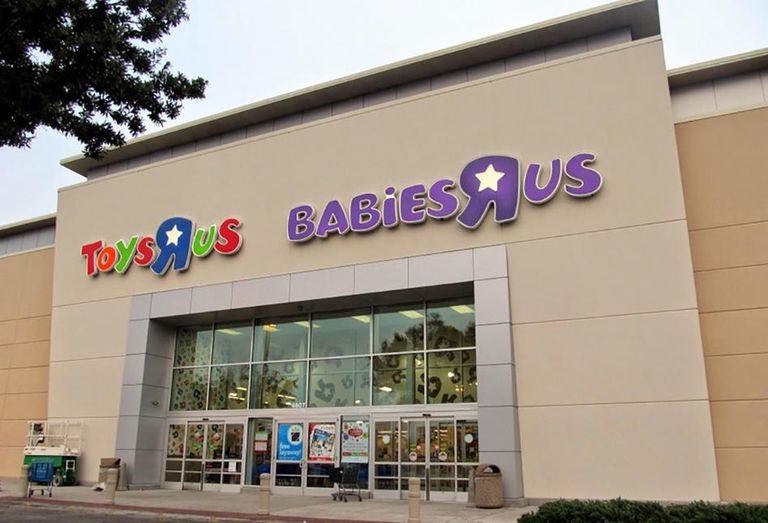
Toys R Us closures were responsible for much of the negative absorption, the report revealed. More than 80 stores closed in more than 40 different metro areas that Reis tracks.
Other retailers continue to see attrition as well, though not on the same scale as Toys R Us. According to Reis, Winn-Dixie closed eight stores in the markets the company tracks during Q2, Kmart closed seven and Harvey closed five.
Store openings weren't quite as numerous, but there were some. A few gyms and trampoline parks opened in select major metros, along with a handful of TJ Maxx, Target, Aldi's, Gabe's and Bob Mills stores.
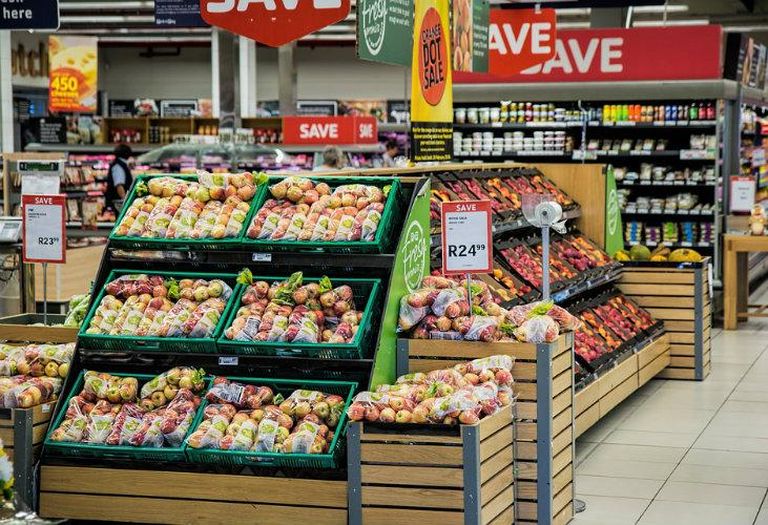
In spite of those openings, the national vacancy rate rose to 10.2%, compared with 10%, where it had held for the previous four quarters, Reis reports.
Retail vacancy pains have spread throughout many local markets, with vacancies increasing quarter over quarter in 55 of 77 primary metros that Reis tracks. Compared with last year, 54 metros saw retail vacancy increases. The metros with the highest vacancy rate increases were Little Rock, Arkansas, Fairfield, Connecticut, Long Island, New York, and Central New Jersey.
"The increase in vacancy comes somewhat as a surprise this quarter since the retail market had withstood so many store closures in previous quarters," Denham said.
Retail rents didn't drop during the quarter, the report noted, but they have almost flattened out. The national average asking rent increased 0.2% in the second quarter, as did the effective rent, which nets out landlord concessions.
At $21.01/SF (asking) and $18.39/SF (effective), average U.S. retail rents have increased 1.7% and 1.8%, respectively, since Q2 2017, not even enough to keep up with the rate of inflation, which has been running around 2% in recent months.
New construction seems to be reacting to slack demand for retail properties. According to Reis, only 780K SF of new space was delivered during Q2, compared with 1.33M SF the quarter before, and 3.8M SF during the same quarter a year earlier.