For tech investors targeting the retail sector, brick-and-mortar locations are back in the spotlight.
Investment into in-store retail technology startups increased by $1.4B from 2018 to 2019, according to a study by CB Insights, a market intelligence platform. That is in contrast to overall investment in retail tech, which dropped from nearly $66B in 2018 to $45B last year.
The parts of retail responsible for the overall drop in capital were e-commerce (startups targeting online purchasing), online meal and grocery delivery, and new retail formats, which include businesses that provide temporary brick-and-mortar space to internet-based retailers, CB Insights reports.
The number of investment deals declined year-over-year in the in-store sector even as the overall dollar volume rose significantly, meaning that the industry has been taking bigger bets on later-stage startups. Among the most significant investors are the biggest brands in retail, like Walmart, Target, Kroger and Amazon, CB Insights analyst Laura Kennedy told Fortune.
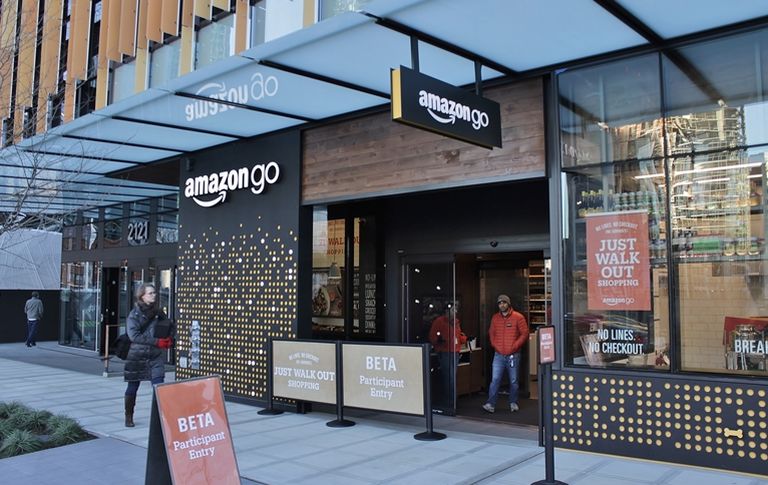
More of the retail industry is coming to understand that even when a brand's primary income stream is online, brick-and-mortar stores are a crucial part of the business. Though one of the largest targets for in-store investment has been the use of technology to streamline checkout (like cashierless convenience store Amazon Go), the big names have poured money into startups that gather data from in-store shoppers and their habits and use that data to inform inventory and advertising decisions.
Kroger is in the early stages of implementing such uses of technology, but with Microsoft as a partner rather than a startup. Walmart's $200M store modernization drive in Canada will draw from multiple parts of the retail tech marketplace, including online retailer pop-ups, mobile phone checkout and digital price markers that can be changed minute-to-minute to respond to shopper trends.
In 2020, CB Insights expects electronic tags and in-store data gathering to keep growing, along with more robots roaming store aisles. Aside from in-store and supply chain applications, artificial intelligence was the only part of retail that saw increased tech investment from 2018 to last year.