A residential component is no longer optional for developers who want to build a luxury U.S. hotel.
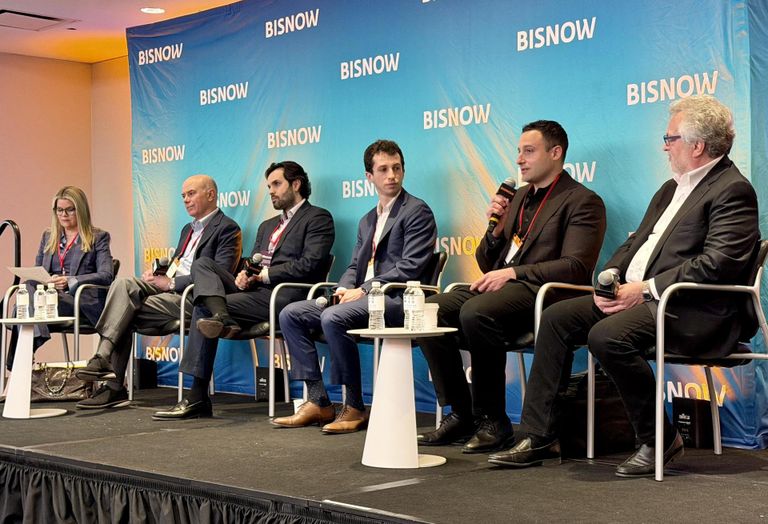
The number of luxury hotels with branded residential components tripled between 2015 and 2025, according to Savills. Part of that was driven by demand for luxury condos that come with the hospitality and service of brands like the Four Seasons and Ritz-Carlton but also by lenders who are wary of financing new hotels without the buffer of condo sales, hoteliers said Wednesday at Bisnow’s National Hospitality Conference.
“All the deals that I'm working on, and Marriott's working on in the U.S., for luxury hotels, they all basically have a mixed-use component,” Marriott Vice President for Luxury Hotels and Mixed-Use Development Jake Pinsof said onstage at the New York Marriott Marquis. “We're not doing any ground-up hotel on its own right now.”
Hotel development has been on the decline in the U.S. overall. The number of rooms under construction decreased year-over-year for the 15th consecutive month in March, STR data shows.
Much of that decline has been driven by a continued pandemic hangover and rising costs of construction and financing, panelists said at the event.
“After Covid, financing has just been a nightmare with a lot of hospitality assets, especially the development costs have increased significantly,” Besen Hotel Advisory Group Senior Director Anudeep Gosal said onstage.
Other uses can help developers offset some of those challenges. Planning mixed-use components for hotels is a must “before you even put a shovel in the ground,” Gosal said.
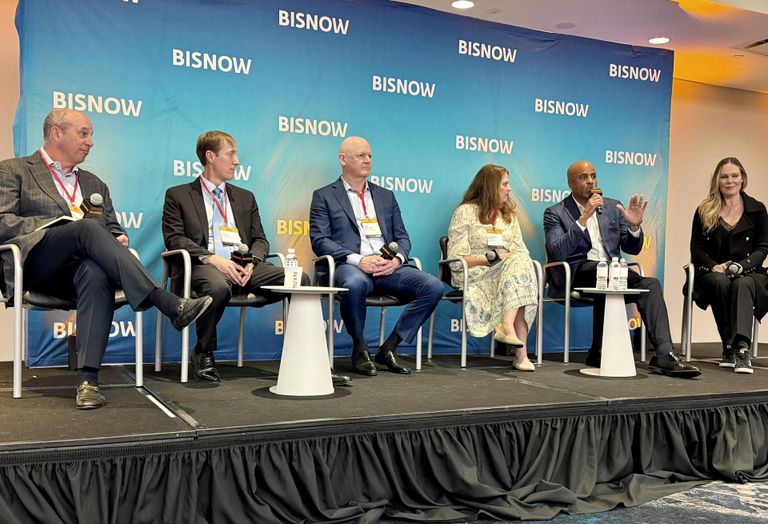
“Mixed-use, in some cases, can be the anchor to the construction loan,” he said. “It's the piece that helps underwrite and de-risk a majority of the project.”
While some hotels have been incorporated into office developments, luxury residential is by far the most common use combined with new hotels.
“I can't think of a luxury hotel that's either been developed or being developed within the recent past that did not have a resi component,” LW Hospitality Advisors CEO Dan Lesser said onstage. “It just doesn't work otherwise.”
Around 90% of the hotels Marriott is working on are dedicated hotels with for-sale branded residences, Pinsof said.
Presales of the additional residential units help offset the cost of developing the property’s hotel component, meaning hotels can be delivered at a lower basis, and can sometimes even shore up additional cash for the developers, he said.

South Florida has become the epicenter for hotel-and-residential developments. Miami has the second-most branded residential projects in the world, behind Dubai, and Fort Lauderdale is No. 8, according to Savills. South Florida had 48 completed branded condo projects at the end of 2025 and another 55 in the pipeline.
More are being announced on a seemingly daily basis. On Thursday, developers 13th Floor Investments and Key International announced a 75-story Nobu Residences in Miami's Brickell neighborhood, while the Thai hotel brand featured on Season 3 of The White Lotus, Anantara, last week announced a 50-story hotel and residences in Edgewater.
These projects are facilitated by state policy, which allows developers to use residential deposits to finance the hotel’s construction, Pinsof said.
“The developer has to raise less equity, essentially,” he said. “Of the 20% equity stack, they need to put 10%.”
But the trend is rapidly spreading beyond Miami. Marriott announced last month that it would open its first Texas location of its hotel-and-residences luxury lifestyle brand, Edition, in Dallas.
Marriott had already completed roughly 150 branded residential projects worldwide at the end of last year, according to Savills, and has another 150 or so in its pipeline. Competitors Wyndham, Mandarin Oriental and Banyan Group are also planning to more than double the number of branded residential properties in their portfolio.
Regardless of a developer's business plan, branded residences are a critical component to securing a construction loan, Viceroy Hotels & Resorts President for Development Mark Keiser said.
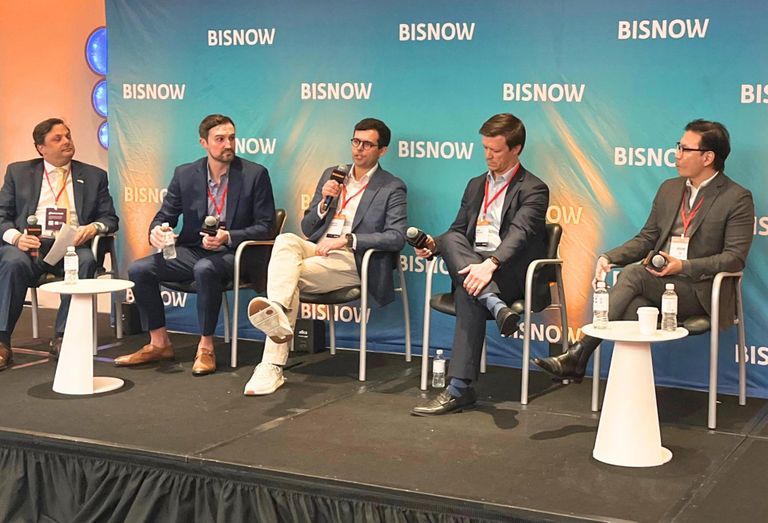
“It just is the only way to make those properties pencil. You see it with long-term holders of real estate, you see it with developers who are looking to sell a couple years after opening,” he said. “The brand brings a certain expectation, particularly on a presales basis.”
Even beyond branded residences, more developers are embracing the "condo-hotel" model, panelists at the event said. That consists of individual hotel rooms being sold to investors, while the hotel brand manages the property and the owner controls the common spaces.
Lynn Cadwalader, who leads law firm Manatt, Phelps & Phillips' hospitality and leisure practice, said the model “brings with it a lot of challenges, including securities law issues.”
But the constrained capital markets are pushing more to consider the product type.
“Condo-hotel a while ago was a dirty word in the industry,” Pinsof said. “I think now what we're seeing — at least at Marriott, just because how deals are evolving — we're going back into doing condo-hotels selectively.”