Upward cost pressure is putting the squeeze not only on private real estate construction projects, but infrastructure developments as well. The effects of the Trump administration's steel tariffs, higher labor costs and an all-around good U.S. economy are contributing factors.
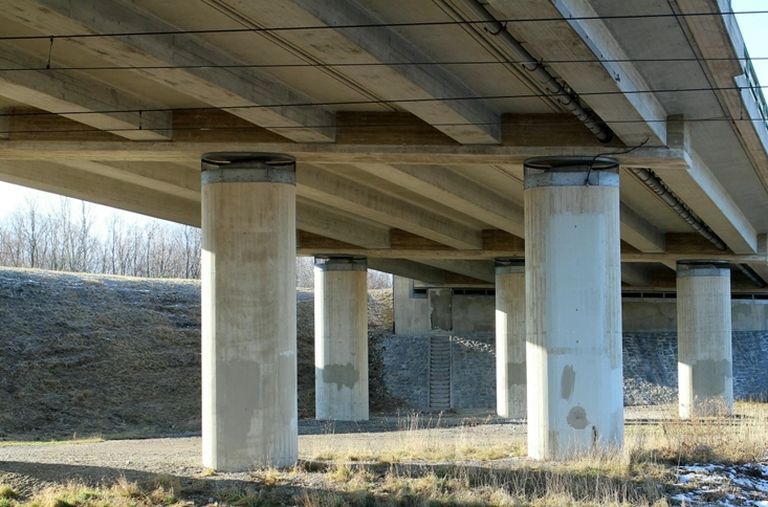
The impact is being felt around the country and by different kinds of infrastructure projects. Examples cited by the Wall Street Journal include light rail in California, a highway in West Virginia, a flood-control project in New Hampshire and a ferry terminal in Washington state.
All are important infrastructure projects and all are facing higher costs, with bids coming in higher than estimated, the WSJ reports.
That is forcing jurisdictions to modify or curtail plans, or to cut back on other projects to fund the now more-expensive infrastructure developments.
“Contractors and subcontractors raised their bid prices in November to make up for past cost increases, but the cost of goods and services that they buy rose even faster,” Associated General Contractors of America Chief Economist Ken Simonson said in a statement.
“That makes further bid-price increases likely but also implies some contractors will just stop bidding on projects where costs are too unpredictable to ensure they can be built profitably."
Costs have been up across the board for construction industry inputs. As of October, the price of diesel fuel spiked 27%, asphalt-paving mixtures rose 11.6% and steel-mill products were up 18.2%, all compared with a year earlier, according to the Bureau of Labor Statistics.
The squeeze on infrastructure projects comes at a time when U.S. infrastructure is under-maintained and underfunded.
Rising costs also come at a time when federal incentives, such as partially matching funds, might encourage state and local governments to pitch more projects to investors. But progress to remake federal policy on infrastructure has been slow.
The U.S. government has taken steps to streamline the approval process for federal infrastructure projects, but a wider plan to support projects wasn't considered ahead of the midterm elections, much less passed by Congress.
However, now that the election is over, at the top of the agenda for Democratic members of the U.S. House of Representatives is an infrastructure plan with federal dollars behind it. Such a plan would differ from President Donald Trump's initial agenda in that it would not rely on public-private partnerships for funding.