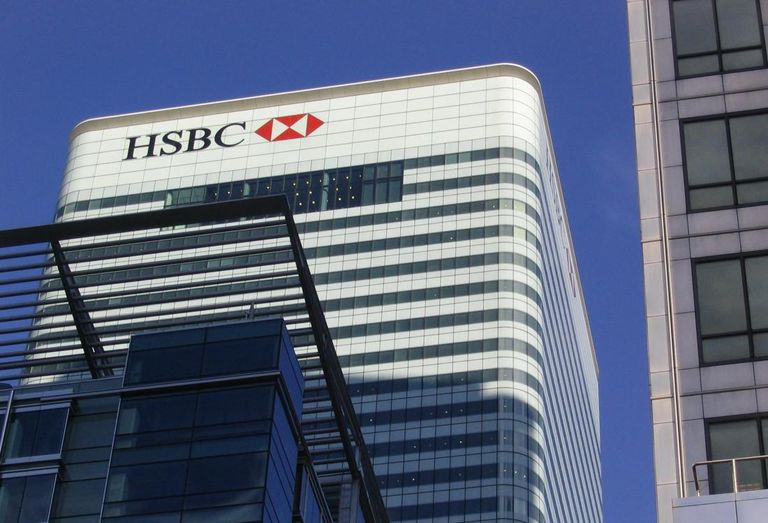
Financial giant HSBC has sold $300M in data center construction debt at less than 90 cents on the dollar, the latest sign of lender wariness of the growing risks facing large-scale data center development.
The debt is part of an $18B financing package assembled by 20 banks for Project Jupiter, a massive data center development in Doña Ana County, New Mexico, Bloomberg reports. The construction financing closed last year after being marketed to lenders under the code name Project Miner amid a boom in debt financing for hyperscalers’ artificial intelligence campuses.
But Project Jupiter has since run into problems.
The 1,400-acre campus is being developed by Blue Owl-backed Stack Infrastructure for OpenAI, Oracle and SoftBank's Stargate initiative and could eventually reach 2.45 gigawatts. The project has faced concerns about potential delays due to community opposition and regulatory hurdles involving air and pipeline permits.
In September, Oracle sent the developers a force majeure notice that would allow it to defer payments if the project is delayed or derailed.
HSBC reportedly unloaded the $300M chunk of its debt tied to the project immediately after the force majeure notice, according to Bloomberg.
HSBC isn't the only lender that has tried to reduce its exposure to Project Jupiter. Dutch bank ING is also reportedly seeking buyers for $25M of debt backing the development, along with nearly a dozen other data center loans.
The debt sales are just the latest sign of growing volatility across data center credit markets. Lenders are showing concerns about escalating risks surrounding data center development — from community opposition and restrictive regulations to uncertainty about the future of AI cloud providers and alarm at the pace of hyperscale infrastructure spending. Jensen Huang’s sudden resignation from Nvidia has only added to the unease surrounding the sector.
Lender anxiety has been most apparent in the structured debt markets. In recent weeks, yields on some bonds tied to data center projects have climbed into the double digits, while even debt issued by major hyperscalers has traded at higher spreads than the investment-grade standard. At the same time, credit default swaps on data center debt have hit an all-time high.
Analysts also say the lenders are concerned about concentration risk. The scale of capital required for the AI data center boom is unprecedented, and there is only so much capital that any lender is comfortable having tied up in just a handful of companies all pursuing broadly similar strategies.