
Slow but steady economic expansion defined 2017. The U.S. economy grew at an annual rate of 2.3%, according to data released by the Commerce Department last month. Within the commercial real estate lending market, positive growth belied anxiety over rising interest rates and increased scrutiny from institutional lenders.
The new year has so far brought the Tax Cut and Jobs Act and a promise from President Donald Trump that a new “American moment” is on the horizon. While time will tell how these developments will impact the economy, here are six predictions for how CRE lending could change in 2018.
1. Another year of economic growth
According to a poll of major U.S. economists, the country is in for another two years of economic expansion. That would make 2018 the ninth consecutive year of growth in the U.S., the second-longest growth period in U.S. history. Continued economic and job growth will continue to provide a foundation for solid property fundamentals in 2018.
Some real estate professionals worry the best years are behind us. But most are not ready to pronounce an end to this economic expansion cycle, with cap rates bottoming out and a continued healthy real estate sector supporting growth.
2. Decrease in construction
Real estate capital markets remain robust, with commercial property sales on pace for the fourth-greatest annual total ever recorded. But sales volume has declined year over year for four straight quarters. Overbuilding of Class-A assets in top markets has led to an increase in concessions and rising vacancy rates. Investors have seen decreased returns, leading to a pullback on construction borrowing.
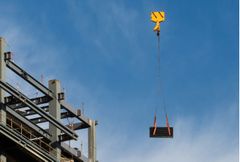
Rising construction and labor costs will also continue to impact supply across all assets and lead to delays. The Producer Price Index reported a 4.8% increase in construction costs year-over-year in November. In the multifamily sector, the average length of construction delays will increase to four months by the end of 2018.
Nationally, there are 11% fewer construction workers on-site today than prior to the Great Recession.

3. More selective (and cautious) underwriting
Rising interest rates last year did little to deter commercial real estate investment. But in 2018, higher rates could impact property acquisition costs and development financing. Lenders have also become more selective about the types of construction projects they finance, and borrowers have to confront lower loan-to-cost ratios and heavier due diligence. Institutional lenders like banks and life insurance companies are among those with more conservative lending policies.
4. Continued transition from institutional to private direct lenders
The inability of regulated lenders to finance construction projects has led to a rise in private direct lending. Removed from the strict regulations placed on banks, private lenders can offer comparable, nonrecourse loans with higher LTCs.
Private lenders will continue to gain momentum in 2018. Dallas-based HALL Structured Finance lent close to $300M in construction loans last year across 11 loans, and 10 of those loans were for hotel projects. HSF intends to lend up to $600M this year.
5. Hotel construction predominantly in the top 25 markets
Americans are traveling more than ever. The growing economy has led to a rise in both business and pleasure trips, prompting renewed activity in the hospitality sector. Investors are focusing on top markets with diverse economic output that supports hotel activities. Projects surrounded by robust retail corridors, entertainment venues, green spaces and large employers will fuel the attractiveness of the hotel.
Los Angeles County, already a major travel hub, set a tourism record of 48.3 million visitors in 2017, the seventh straight year it topped the previous record for both domestic and international visitors. Five of HSF’s 2017 hotel loans were in California, taking advantage of the boom in tourism.
6. Diversification of lending portfolios
As institutional lenders continue to pull back on financing, private lenders who once worked with borrowers in niche areas are looking to expand financing to include more asset classes. As available capital remains constrained on the institutional side, private lenders may offer more stable financing options.
HSF plans to expand into multifamily and office sectors, as well as selectively lending on prime development land in Texas and primary markets nationally. HSF has doubled its team over the past few years, as more borrowers turn to the private lending space and as the company's lending pipeline continues to expand.
To learn more about this Bisnow content partner, click here.