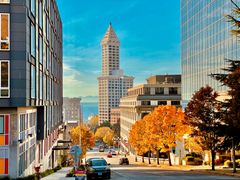
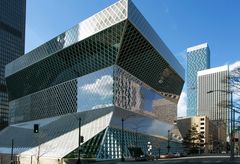
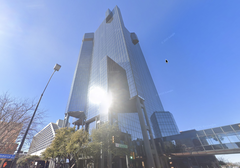
Seattle's 2017 has been marked by the most construction cranes in the nation, steady office demand from tech companies and rising multifamily rents due to short supply as more people move to the area. Here are some of the trends that will affect the city moving into 2018.
Growing Investor Interest In Smaller Cities
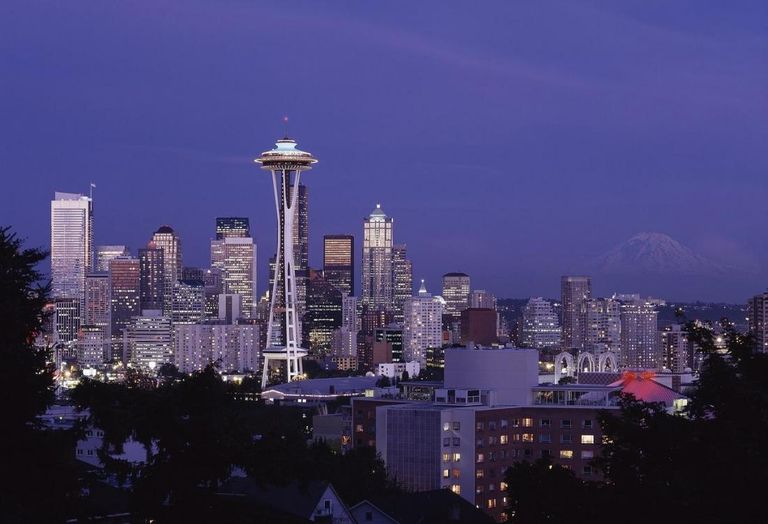
Smaller and secondary markets are expected to draw real estate investment in 2018 due to relative affordability and a young, skilled workforce, according to the ULI and PwC Emerging Markets report. The report lists Seattle as the nation's top market for real estate based on its tech industry, labor force, livability and cost, among other factors. These secondary markets have had higher levels of in-migration than gateway cities, giving them strong population growth.
Growing Population And The Headaches That Come With It
Seattle's growth has led to challenges, such as increased traffic and a lack of affordable housing. The labor force is expected to grow by around 34,000 new households for 2017, according to Marcus & Millichap. This will create continued challenges when it comes to congestion, housing and schools.
... And The Opportunities
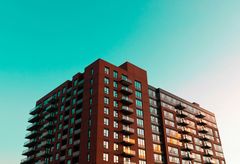
Savvy developers and investors will continue to find opportunities in Seattle, whether in creating new multifamily housing to hold that growing population (and take advantage of increasing rents), or developing transit-oriented developments that address traffic woes while providing more housing and office or retail.
Seattle's median home price was up 7.9% to $446,500 in Q3 — and more than $700K in some of the city's most desirable neighborhoods, according to Marcus & Millichap's Seattle Multifamily Market Report. The high price of homeownership has kept the apartment vacancy rate under 4%, while the average effective rent has risen 30% in the past three years.
Tech Growth
While Amazon is looking to grow outside of Seattle with its HQ2 hunt, the city's tech and biotech industries are expected to continue to grow. The biggest challenge will be providing the larger blocks of space needed by startup and spinoff companies as they grow.
Tech firms are moving into Seattle's central business district as the Lake Union submarket fills up. Lake Union had 7.3% vacancy as of Q2, according to CBRE's Tech-30 report. The CBD has a vacancy of 11.3% and high-rise construction underway. The shift could continue to push office rents higher in the CBD in 2018.