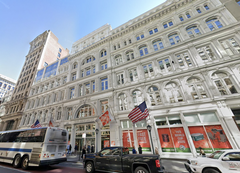
Healthcare users have been popping up in retail landlords' portfolios since before the pandemic, but the public health crisis has accelerated medical retail and office leasing as landlords look to backfill space and residents look for health services closer to home.
Retail landlords were struggling before the pandemic, with e-commerce squeezing brick-and-mortar customer bases and big-box retails shuttering locations. While the pandemic dealt another harsh blow to the industry, the spotlight on health access and increase in remote work increased appetite for medical services closer to residential areas, and industry experts say “medtail” is an increasingly large part of the commercial leasing equation.
“There's a need for people to have medical care where they live,” Muss Development President Jason Muss told Bisnow. “It's not a compromise. It’s a strategy of diversifying your tenant roster, and serving a need in the community.”
Retail leasing is ticking back up in Manhattan: With rents dropping, CBRE reported that there was a 23% year-over-year increase in retail leasing during Q1 2022. Healthcare was the sixth-most-active retail tenant type, with 30K SF leased across seven deals.
Retail and office landlords have historically been cautious to allow medical tenants to take space in traditional retail areas, experts told Bisnow. Prior to the pandemic, some feared that medical tenants would damage property values and be unattractive to consumers coming to the spaces for leisure or work purposes.
But that may be changing: in January, Empire State Realty Trust began actively targeting medical tenants for retail spaces, The Real Deal reported. And as of August, office condo landlords were increasingly looking to medical tenants to fill empty space.
“The pandemic has made people feel a lot more comfortable about just walking into an urgent care center and getting a Covid test right on the street,” Medical Real Estate Advisors NYC founder and broker Christopher Keegan said.“If you're willing to get swabbed by a stranger under a tent, why wouldn't you be willing to go get your teeth cleaned at a very nice, branded medical experience?”
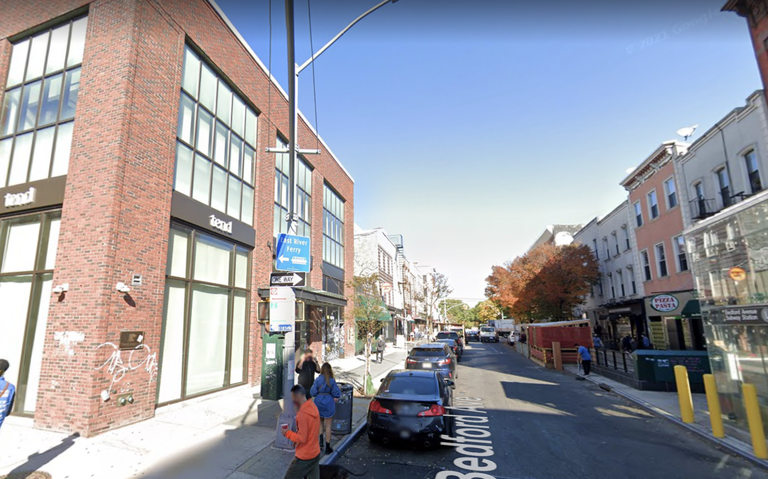
In recent years, a wave of swanky health provider outfits with millennial consumers in mind, like dentistry outfit Tend or veterinarian Bond Vet, have followed foot traffic to retail spaces when looking for locations. The branding of these outfits is important, Keegan said, because it helps retail locations retain a commercial atmosphere — while offering services that shoppers may already be seeking.
“There are a lot of benefits,” said Muss, whose company has been leasing to a diverse range of tenants since before the pandemic. “As a landlord, you work with the tenants that are in the market, but you also try to create a good mix of retailers that will stand the test of time.”

The consumer convenience factor has helped persuade retail landlords who may have previously been hesitant about medical tenants to make accommodations, Corcoran's Wexler Healthcare Properties President Paul Wexler told Bisnow.
“There's no question that there have been commercial building owners that have now begun to open their doors and take in medical tenants,” Wexler said. “They're good rent payers, and unlike many commercial tenants that may grow or shrink, they generally know what their requirements are and generally don't default on their leases.”
Americans’ comfort levels with seeking out medical treatments in retail settings may predate the pandemic: By 2020, the International Council of Shopping Centers found that almost 70% of adults were visiting health centers in retail areas, The New York Times reported in February. But understanding medical tenants’ economic resilience is creating a new appetite among developers and investors.
CBRE’s 2022 Investor and Developer Survey found that 85% of respondents said they saw healthcare real estate as recession-resistant, and the firm found that allocations to the sector have increased 57% in 2022 over 2021, with $25B of capital flowing in over the course of 2022, toward everything from life sciences spaces to behavioral health service facilities.
But the pandemic and remote work options have changed the locations that people might seek health services in — pushing the medtail trend away from concentrating in Manhattan’s heavily commercial areas and into residential areas across NYC’s boroughs. Muss Development has incorporated medical tenants into retail spaces in Brooklyn, Queens, Manhattan and Staten Island, while Keegan has seen business expand farther into Brooklyn and Queens.
Still, it can be tricky to accommodate medical tenants in former retail and office spaces: Medical tenants will need certain features to ensure ADA compliance, as well as more intensive plumbing needs and desire for specific interior layouts.
“I think it’s a viable solution for some landlords, but there aren't enough tenants out there and there aren't enough retail spaces that fit the model of the medical retail brands,” Keegan said. “I don't think medical tenants are the save-all solution for retail.”