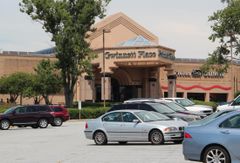
Plant Power Fast Food, a San Diego-based chain of fast-food restaurants with an entirely plant-based menu, has completed a $7.5M Series A round of financing. The company says it will use the money to expand corporate-owned restaurants.
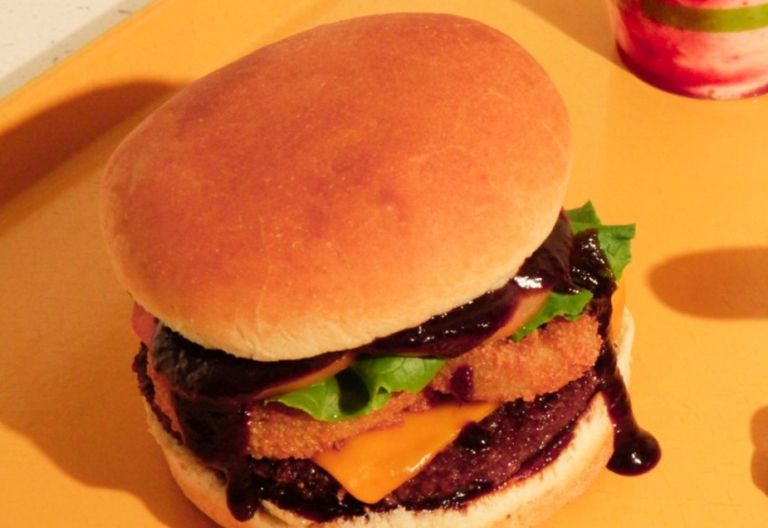
There are seven Plant Power Fast Food restaurants, all in California. Eight additional locations are in the works, including restaurants in Sacramento, Hollywood and Las Vegas.
The Plant Power capital raise was led by Helia Capital USA, a subsidiary of Fusion Ventures, as well as Eat Beyond Global Holdings and Batta Foods, with additional funding from Aileen Getty.
"It's important that the capital comes in tandem with an unwavering belief in our mission to change the world," Plant Power co-founder and co-CEO Zach Vouga said in a statement.
Plant Power's menu isn't so different from standard fast-food restaurants in that the chain offers burgers, tenders, fries, sandwiches, salads and shakes. None of the offerings, however, including "beefy" burgers and "chicken" tenders, are made using meat, though they resemble the traditional meat-based offerings in appearance and taste.
Nonmeat offerings at fast-food restaurants aren't new. Impossible Foods products, which are made of plants but resemble meat in appearance and taste, have been available for some years at the likes of Burger King and Qdoba, and Beyond Meat products are sold at Carl's Jr. and others.
There are plenty of traditional vegetarian options at fast-food eateries these days. But few fast-food restaurants have made plant-based products their only offering.
Vegetarians are still a relatively small number of Americans, but their numbers have grown consistently over the years. According to a 2018 Gallup poll, 5% of Americans consider themselves vegetarian.
Vegetarianism skews younger, pointing at potential growth in the years ahead for restaurants that specialize in meatless offerings. Among people 55 and older, only 2% consider themselves vegetarian. Eight percent of 18-to-34-year-olds and 7% of 35-to-54-year-olds do.
When Gallup asked those who say they are eating less meat, or who rarely or never eat meat, why they made that decision, 70% cited their health, much more than any other concern. Nearly half (49%) cited their concern about the environment, 43% cited food safety and 41% cited animal welfare.