WeWork Sues China-Based UrWork For Copyright Infringement

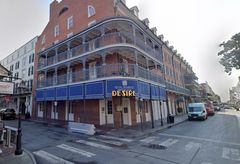
WeWork's offices at 20 West Kinzie, Chicago
Courtesy of Silva Brand
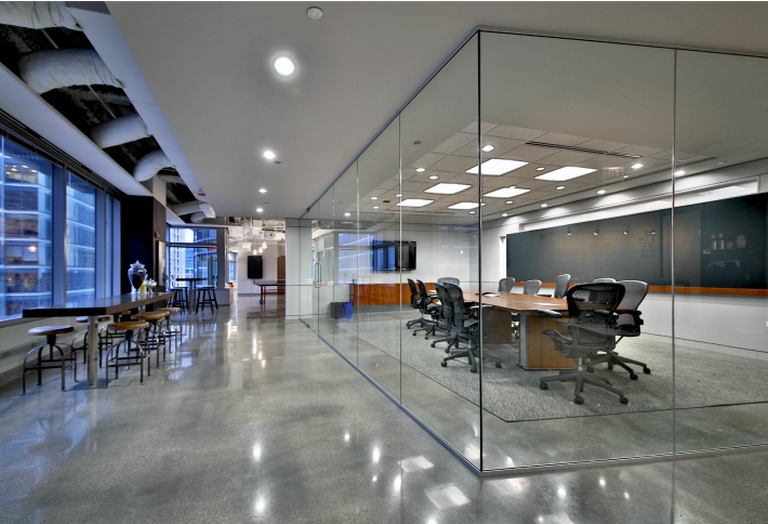
The Interior Of A Wework Office

Co-working industry leader WeWork is filing suit against one of its competitors for copyright infringement amid its own aggressive global activity.

WeWork, represented by law firm Mishcon de Reya LLP, has filed a claim with the U.K.'s High Court of Justice's Chancery Division that China-based UrWork is passing off its product as a service of the New York-based firm, Bloomberg reports.

“‘Work’ is an open commonly used word; the trademarks relate to 'UR' and 'we' and they’re very different so WeWork’s claim of trademark infringement has no legal basis," UrWork said in a statement.

WeWork has locations in 15 countries and was valued at $20B in its latest round of funding, which produced $500M from Japan's SoftBank Group to bankroll an expansion in China, where UrWork has 78 locations in 20 cities. UrWork recently raised $236M in funding and is planning expansion into London, New York, Los Angeles and Singapore.


Continue reading this story with a free account

Log in or register
Related Topics: Mishcon de Reya LLP , UrWork , WeWork
Sign up for more articles like this
Subscribe to Bisnow's National Newsletters
Related Stories

Wall Street's Big CRE Lenders Are Pulling Back While Private Credit Fights For Deals

Corum Buys Dublin Office And Industrial Portfolio For €100M-Plus

Service Properties Trust Rejects $2B Cash Bid, Claims Hotel Portfolio Could Be Worth Double

Blackstone's Data Center REIT Makes First Investment With $5B AWS Deal

Where Developers Are Trying To Lease Public Lands To Build Data Centers

Members Of Congress Have Questions For Brookfield After Its Mass Mobile Home Purchase

Get Out From Behind Your Desk: 5 Tips On Making Senior Management

SpaceX Unveils $74B Data Center Plans In Texas, Arizona

Shareholders Reject H&R REIT Breakup

AI Helps Drive New Demand For Lab Buildings, But Property Values Remain 'Depressed'

Construction Materials Cost 11.5% More Than Last Year. It's Slowing Development

More Choice, Higher Expectations: How Occupier Demands Are Shaping The Office Market