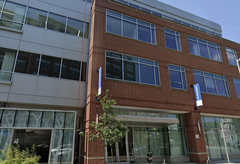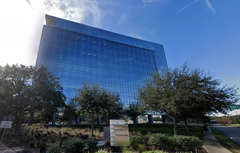
The life sciences are an increasingly critical part of the national and global economy, and their use of real estate is growing in kind.
A broad number of factors is driving both the need for and presence of life sciences in cities across the country, according to a Deloitte study reported by Forbes. Chief among those is the sheer amount of job growth in the industry; over the four-year period ending with Q3 2017, life sciences jobs grew by 27%, nearly quadruple that of the overall national average.
Innovation in disease cures that go beyond simple pharmaceuticals has accelerated in the past couple of years, and based on the wealth of venture capital flooding into the sector, that trend is poised to continue, according to Deloitte. Innovation is sorely needed, as the "silver tsunami" of aging baby boomers will drive the over-65 population higher in the U.S. in the next few years.
Deloitte held up the Boston area, specifically Cambridge, as an exemplar of the life sciences trend. Multiple speculative developments in the area have done little to address the vacancy rate in lab space, which sits below 1% in the market.
The specific requirements of building labs make the process more complex than traditional office, but in Cambridge and cities like San Diego, it is proving worth it. In Philadelphia, no new office buildings have been developed without a major pre-leased tenant for years. But the burgeoning life sciences industry driven by the University of Pennsylvania, Drexel University and Children's Hospital of Philadelphia drove the recent completion of a life sciences building within the University City Science Center's uCity Square development district.
Perhaps most encouraging for the future of the industry is the increasing market share that startups have been occupying. The portion of R&D returns that came from 12 of the largest pharmaceutical companies has dropped from over 10% in 2010 to under 2% in 2018, according to Deloitte.
More small companies making an impact in the broader market will be good for the long-term health of the industry, considering that the majority of life sciences space in many cities is owner-occupied. Smaller companies may not have the capital required to buy their own real estate, opening up more opportunities for developers, the report said.