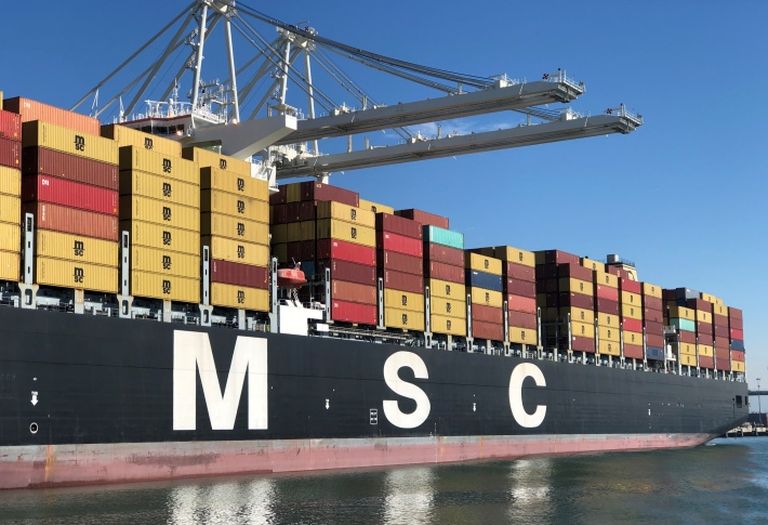
New supply chain problems have cropped up internationally, including potential strikes at ports in Europe and a heat wave in China causing manufacturers to shut down.
In Europe, negotiations between German port operators and unions are inconclusive so far, raising the prospect of a strike that would stall shipments this fall and possibly into the first quarter of 2023. A similar dynamic is possible at British ports.
“If no compromise will be made, we can expect further strikes which will, even more, worsen the already stressed situation in the northern ports,” Crane Worldwide Logistics Europe, Middle East and Africa Ocean Product Director Andreas Braun told CNBC.
Meanwhile, high temperatures in southwest China prompted the government to order industrial power cuts in nearly 20 cities. Factories have shut down or are slowing production as a result, with a cascading impact on exports to the rest of the world — much like during the pandemic, though for a different reason.
Factories in Sichuan, for example, including a joint venture with Toyota, have been forced to close after the government decided to prioritize power to residential areas instead of commercial operations, NDTV reports.
Contemporary Amperex Technology, a major maker of batteries for electric vehicles, has similarly halted production, NDTV reports.
Supply chain issues have rippled through the U.S. economy since the pandemic slowed the shipment of goods worldwide, impacting many industries. That includes development and construction of new properties, which have been bedeviled by shortages and higher costs for materials, partly as a result of supply chain issues.
These issues have also impacted U.S. retailers, which haven't always been able to receive consumer goods in a timely manner since the beginning of the pandemic.
Strikes and heat waves might be temporary setbacks for international supply chains, but there is also evidence that as climate change worsens, there will be further long-term impacts, the Financial Times reports.
Examples include flooding in Malaysia last year, which disrupted supplies of Taiwanese advanced semiconductors, since most of them are packaged in Malaysia. Also, low water levels on the Rhine and the Danube have disrupted European shipping, and low water levels of the Parana River in Argentina have imperiled agricultural exports from that country.