
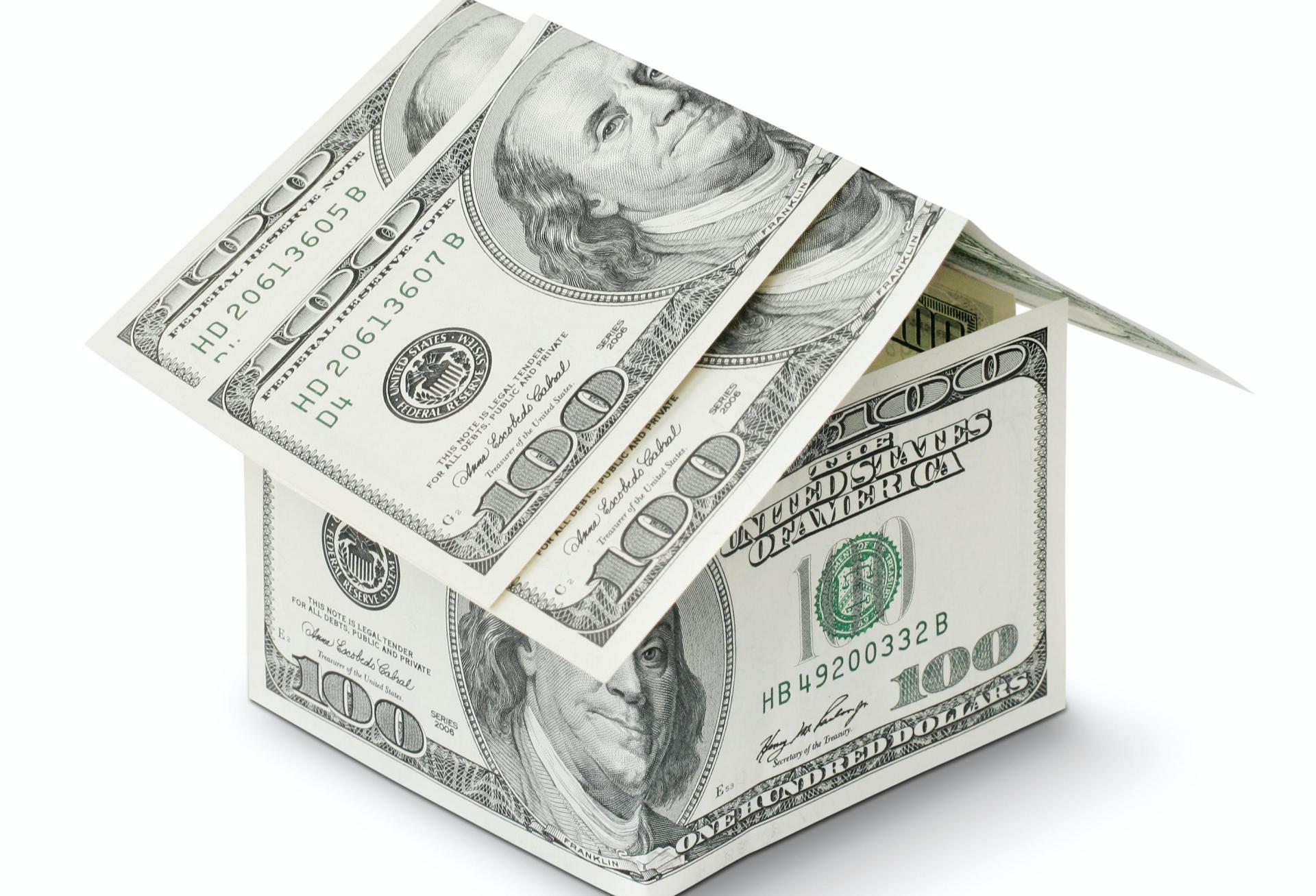
Housing costs once again represented the vast majority of the increase in the July consumer price index, accounting for 90% of the 3.2% year-over-year inflation rate in July.
The Bureau of Labor Statistics reported the increase Thursday, dampening some of the enthusiasm that came with June's 3% increase. The latest CPI number is a step away from the 2% inflation target set by the Federal Reserve.
Shelter costs were up 0.4% in July, and gained 7.7% compared with a year ago, the government reported. Though representing most of the overall CPI gain, the shelter index increases have actually been slowing. In March, the index's annual increase was 8.2%.
San Francisco Fed researchers say that the shelter index might continue to drop.
“Various market indicators, including house prices and rents, suggest that the housing market has slowed significantly with the rise in interest rates,” the researchers wrote this week.
“Our baseline forecast suggests that year-over-year shelter inflation will continue to slow through late 2024 and may even turn negative by mid-2024,” the researchers noted. “This would represent a sharp turnaround in shelter inflation, with important implications for the behavior of overall inflation.”
Inflation is basically GONE when you exclude the lagged shelter (i.e. rent) data in CPI. Remember: Rent is the biggest variable in the CPI's biggest category (shelter), and there's a known 12-month lag between asking rents and CPI rents.
— Jay Parsons (@jayparsons) August 10, 2023
I'm surprised how little buzz there is… pic.twitter.com/XhxS49ZQtD
The overall rate of inflation isn't expected to rise to previous levels, either. Last June, the CPI was up 9.1% year-over-year, its most recent peak.
“In the grand scheme, we’re still seeing disinflation and things are moving in the right direction,” Pooja Sriram, U.S. economist at Barclays, told The Washington Post.
This month's CPI is one of the data points that Federal Reserve Chairman Jerome Powell referred to in July when fielding questions about whether the central bank would raise interest rates again in September. He didn't commit to a rate increase, or holding steady, merely that the Fed would examine economic data as in came in before making its decision.
)
)
)
)
)
)
)
)
)
)
)
)