Vice President Kamala Harris unveiled plans Tuesday to boost wages for construction workers on federal projects via an update to the Davis-Bacon Act of 1931, a law requiring payment of locally prevailing wages and fringe benefits for public works.
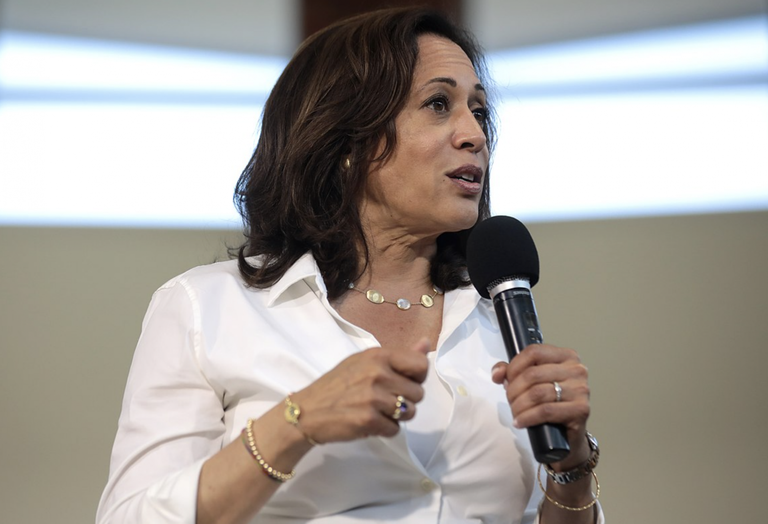
“We are updating this law and giving workers across the nation a raise,” Harris said in Philadelphia of what would be the first comprehensive change the Labor Department has made to the law in over 40 years.
The new rule will re-establish how prevailing wages were determined from 1935-1983, taking into account wages earned by at least 30% of local workers instead of the 50% of workers that set the wage now. The new formula should exclude more workers who earn lower wages from the calculation.
The change will affect more than 1 million workers contributing to $200B in federally funded or assisted projects, according to a White House fact sheet.
The change allows the Department of Labor to keep up with wage growth more easily, giving the department's wage and hour administrator the authority to adopt and update prevailing wages. It includes an anti-retaliation provision that protects workers concerned about job security and strengthens the Labor Department’s ability to hold money back from contractors in order to pay lost wages to employees.
The Associated Builders and Contractors argue that the changes will make construction projects more costly for taxpayers.
“This is yet another Biden administration handout to organized labor on the backs of taxpayers, small businesses and the free market,” ABC Vice President of Regulatory, Labor and State Affairs Ben Brubeck said in a statement.
Brubeck said the rule comes as the construction industry faces higher materials costs and labor shortages, adding it will “exacerbate” and “undermine taxpayer investments in infrastructure.”
Last year, increasing demand, supply chain issues, inflation, pandemic restrictions and the war in Ukraine contributed to rising costs within the construction industry, CBRE reported.
Construction material costs have risen an average of 19% overall since 2020, while overall building costs were almost 40% higher in April 2023 than they were before the pandemic.
This year, materials costs have shown signs of stabilization, KWA Construction President Brian Webster noted.
In April, ABC reported the first year-over-year materials cost decrease seen in more than 18 months. Also in April, construction spending on factories reached $190B, more than twice as much as was spent in June 2022, when $90B was spent on factory construction.