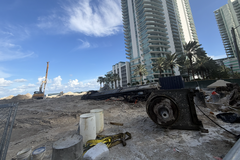
The U.S. Supreme Court decided Thursday to limit the scope of the Clean Water Act and allow for more development on previously protected wetlands.
Justices ruled the Environmental Protection Agency’s definition of wetlands within the CWA was inconsistent with the way the law was written, giving the EPA room to interpret the law in a way that “gives rise to serious vagueness concerns,” according to the 5-4 majority opinion written by Justice Samuel Alito.
“Courts now have a clear measuring stick for fairness and consistency by federal regulators,” Damien Schiff, a senior attorney at the Pacific Legal Foundation who represented the plaintiffs, told SCOTUSblog after the ruling. “Today’s ruling is a profound win for property rights and the constitutional separation of powers.”
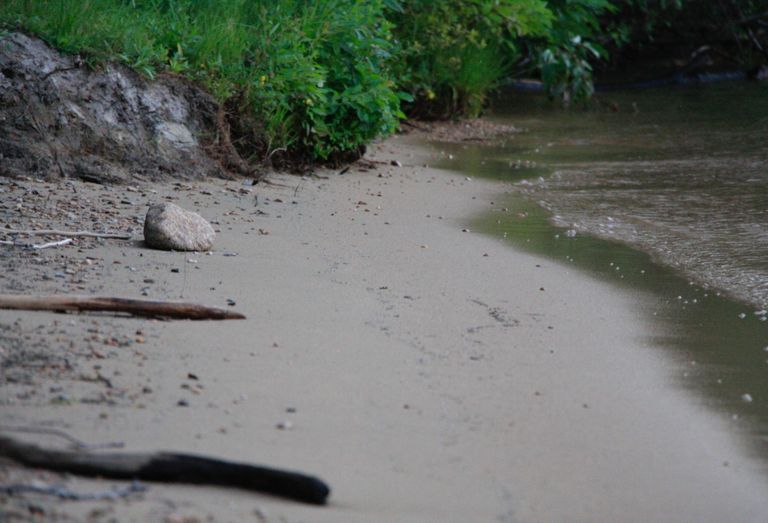
The ruling was the culmination of a 15-year battle for Idaho couple Michael and Chantell Sackett, who sued the EPA to get permission to build a house on an empty lot near Priest Lake, Grist Magazine reported. The Sacketts had been backfilling the lot in 2007 in preparation for their planned house construction when the EPA ordered them to stop work.
The site contains wetlands, which were under the protection of the CWA because of their potential to release pollutants into “navigable waters.” The wetlands lead to a creek, which then leads to Priest Lake, locally known for its clear waters and variety of fish species.
The high court's decision overturned a ruling by the 9th Circuit Court of Appeals, CBS News reported.
In his opinion, Alito argued that the law only applies to wetlands “with a continuous surface connection to bodies of water” that qualify on their own as “Waters of the United States.” Wetlands falling under the protection of the CWA should be “indistinguishable” from other waters protected by regulation, the court ruled.
Four justices — Sonia Sotomayor, Elena Kagan, Brett Kavanaugh and Ketanji Brown Jackson — dissented, voicing concerns over the potential implications of the ruling. Kavanaugh’s opinion said narrowing the CWA’s breadth could have “significant repercussions for water quality and flood control.”
Critics of the ruling, such as environmental group Earthjustice, said the ruling will allow for pollution that threatens the existence of wetlands all over the U.S., while the EPA also expressed frustration.
“I am disappointed by today’s Supreme Court decision that erodes longstanding clean water protections,” EPA Administrator Michael Regan said in a statement. “The Biden-Harris Administration has worked to establish a durable definition of ‘waters of the United States’ that safeguards our nation’s waters, strengthens economic opportunity, and protects people’s health while providing the clarity and certainty that farmers, ranchers, and landowners deserve.”
But homebuilders and developers, including the National Association for Industrial and Office Parks, the National Multifamily Housing Council and the National Association of Home Builders, applauded the court’s decision, declaring the ruling a victory for “common sense regulations.”
“The apartment industry strongly supports protecting our water resources, but undue and confusing regulations would exacerbate our nationwide housing affordability crisis,” the NMHC and National Apartment Association said in a joint statement. “Going forward, NMHC and NAA encourage policymakers at all levels of government to consider housing affordability and the costs that go into the development and rehabilitation of badly needed housing when considering new or expanded regulatory regimes.”