Walkability was a hot topic at the BOMA Every Building Conference in Orlando this week, where we snapped Herman Miller director Tracy Brower and Cassidy Turley San Francisco director Garrick Brown. He says while downtowns have been powerhouses as companies court Millennials, those employees will eventually get married and have kids, and we might see a rebirth in suburbia. (Hang in there, strip malls... we may not be done with you yet.) In Cassidy Turley's DC home, he sees tenants seek the safety of the central city when the economy gets rough. But in good times, companies start stretching out to places like Reston, Va. that also provide good resources and amenities.
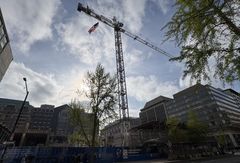
Arlington, Va., with neighborhoods like Clarendon (above), is the US's best example of an urbanizing suburb, says GWU's Chris Leinberger. The 10% of the urbanized land there generates 55% of the tax base. In the DC metro, 80% of the $15B/year in office rent is generated by buildings in walkable places. (Including the HQ of a certain real estate e-news pub.) Twenty years ago, 70% of the rent came from the car-dependent 'burbs. With higher net income, cap rates for WalkUP properties average 4% to 5%, while suburban assets nab 6% to 8%, he says. The flip side: It's extremely difficult to produce affordable housing without a public/private partnership.
Post Properties CEO David Stockert says walkability is more a megatrend than fad. (Isn't megatrend the star of the new Transformers movie?) The desire to return to Atlanta's city center started in the '90s and has grown only stronger. Even as some younger people get married and move back to the 'burbs, there are still more younger people taking their place. And these new renters are what the apartment developers are counting on, not today's residents, whom David doesn't expect to be tenants 10 years from now.
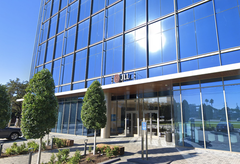
Post is working on a number of urban apartment projects, including a second high-rise phase to Post Alexander (above) in Atlanta's tony Buckhead financial district. In cities like Atlanta, where sprawl has a long-and-storied history, David says the reliance on highways and the lack of transit are turning people inward. Take electronics company NCR, which is possibly moving out of a northern 'burb to Midtown. David says that has as much to do with traffic considerations.