The country’s most popular mechanism for building affordable housing could get a boost similar to one advocates hoped for last year as the federal government works through budget proposals.
The Low-Income Housing Tax Credit is slated for reform under President Donald Trump’s One, Big, Beautiful Bill, which would make alterations to the program that could result in more than half a million new housing units over four years.
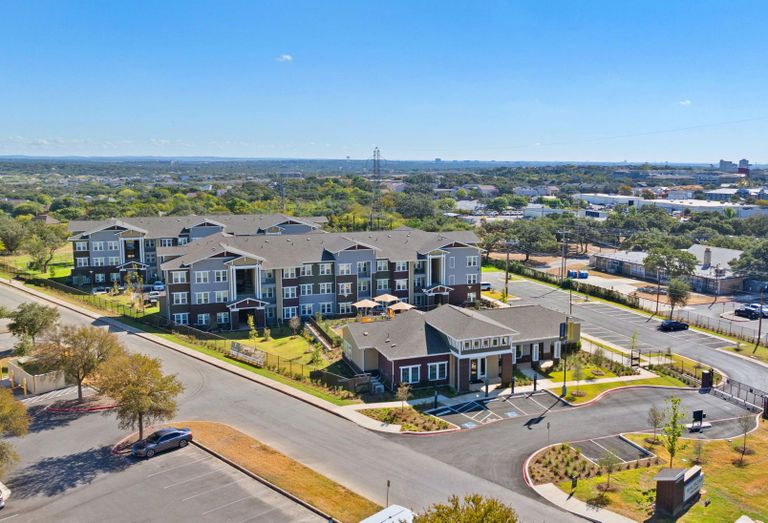
“We're just at the beginning, but we're excited about it because this is a reaffirmation of the work that all of us in the industry have been putting forth,” said Debra Guerrero, senior vice president of strategic partnerships and government relations at The NRP Group, a multifamily developer that builds affordable, market-rate and mixed-income developments.
“Housing needs to be a part of this package – any package,” Guerrero added.
Like last year’s Tax Relief for American Workers and Families Act, this year’s changes would reinstate a 12.5% boost on states’ allocations for the 9% version of LIHTC – something that was in place but expired in 2021.
The new version will lower the bond financing threshold for a project using the 4% form of LIHTC from the current 50% to 25% for projects financed by bonds with an issue date before 2030. The previous bill ultimately proposed 30%.
Finally, Native and rural areas would be designated “difficult development areas,” which will give developers working on LIHTC projects in those areas a 30% “basis boost,” increasing the eligible basis for a project.
That would in turn lead to a higher tax credit allocation for the development. The definition of “rural” would also be broadened, meaning more areas could be eligible for this benefit.
Novogradac partner Dirk Wallace estimates that these alterations could result in 527,000 units financed in the four years from the beginning of 2026 to the end of 2029.
The nation’s shortage is dire. A March report from the National Low-Income Housing Council found that the country has 35 affordable and available homes for every 100 extremely low-income renter households and just 53 for every 100 households making 50% of the area median income or less.

But while the shortage might seem insurmountable, those working in the industry are focused on how these proposed changes could chip away at that gap.
Under the proposed changes, the $91.5M in 9% LIHTC allocation Texas gets would grow by roughly $11M, which could be about five more projects getting funding, according to Guerrero.
“That's significant,” she said. “When, when you're trying to make up for this deficit that already exists, plus a population that’s growing throughout the state.”
Early estimates peg the cost of these provisions at around $14B over ten years, experts said.
But while the changes under this Trump proposal would boost affordable housing stock, other actions by the administration could negate some of the gains.
“This is something we've been advocating for a long, long time, but it’s coming at a challenging time given all these cost increases, increased inflation leading to higher interest rates, making debt more expensive,” Novogradac Chief Public Policy Officer Peter Lawrence said.
Tariffs have led to unpredictable price escalations in the cost of construction materials.
Lawrence noted that while these helpful adjustments could be made to the LIHTC program, there are also deep cuts to rental assistance programs and other federal-level programs critical to the production of affordable housing under discussion.
The Trump administration has included in his budget proposal a plan to dramatically restructure Section 8 and a request to cut funding for the Department of Housing and Urban Development by 44%, or $32.9B, which includes steep cuts to rental assistance programs.
The administration has canceled contracts with affordable housing developers and, through executive orders, Trump sought to eliminate the Community Development Financial Institutions Fund, a program seen as key to the creation and preservation of low-cost housing.
Affordable developers are worried that these cuts plus a slew of others impacting the industry will result in less financing available and fewer affordable units overall.
“In a way, it's kind of ‘two steps forward, one step back’ in some aspects, if that were to happen,” Lawrence said.