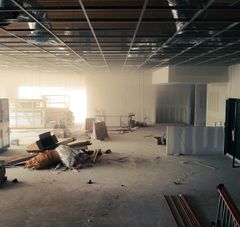
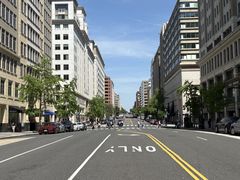
Denver’s office market is being reshaped on two tracks. In the urban core, smaller floor plate buildings are being converted to residential. In the suburbs, large blocks are increasingly candidates for demolition.

The divide is tied to building size and location, CBRE Senior Vice President Anthony Albanese told Bisnow. Downtown assets with 15K to 20K SF floor plates can be adapted for housing, he said.
Suburban properties with 30K SF or more per floor often leave long, windowless interiors that don’t work for apartments.
“That’s where we’re starting to see more demolition,” Albanese said.
CBRE’s second-quarter office report shows conversions and demolitions are now outpacing new construction across the metro. The shift comes as vacancy reached 27.4% in the second quarter and net absorption remained negative with a net loss of 442K SF.
The city has leaned into the trend. Mayor Mike Johnston has set a goal of converting 4M SF of office into housing, equal to more than 10% of Denver’s 32M SF downtown inventory.
Converting doesn’t guarantee lower rents for residents. Albanese said it is a “misnomer” that reuse results in cheaper housing. Costs are comparable to new development, and affordability typically comes only through smaller units. Recent conversion projects, like the Art Institute Lofts and Nichols Building redevelopment, used micro-apartments to reach lower price points.
Ownership and financing structures are another factor. Landlords with older buildings and little debt may have flexibility to reposition. But those with maturing loans often lack the ability to shift to a new use.
“Your basis and what type of debt you took on really dictates what you can or can’t do,” Albanese said.
Albanese pointed to signs of stability on the office demand side. He said new tenant move-ins now resemble 2018 and 2019 levels, with his team working on more than 10 expansions this year. Longer lease terms are also back, driven by expensive tenant build-outs for hybrid work and collaboration technology.
That trend, he said, suggests more durable commitments from active occupiers.
Sublease availability ticked up in Q2, but Albanese downplayed the increase. Large individual leases can shift percentages in the 112M SF Denver metro office market, he said.
“It doesn’t take much to move the numbers,” he said, adding that most companies that intended to shed space have already done so.
Taken together, the report signals that Denver’s office market is entering a reset. Conversions are giving downtown a path forward, and suburban demolitions are clearing obsolete inventory.