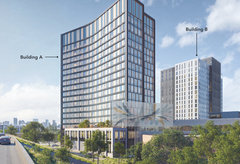
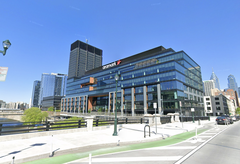
Denver is the No. 6 city in the U.S. for commercial property conversions, with nearly 3,000 office-to-apartment projects planned and 41M SF of office space suitable for similar adaptive reuse, according to RentCafe.
Denver’s Downtown Development Authority has approved at least $91M for conversion projects, with developers spending even more to get the projects done.
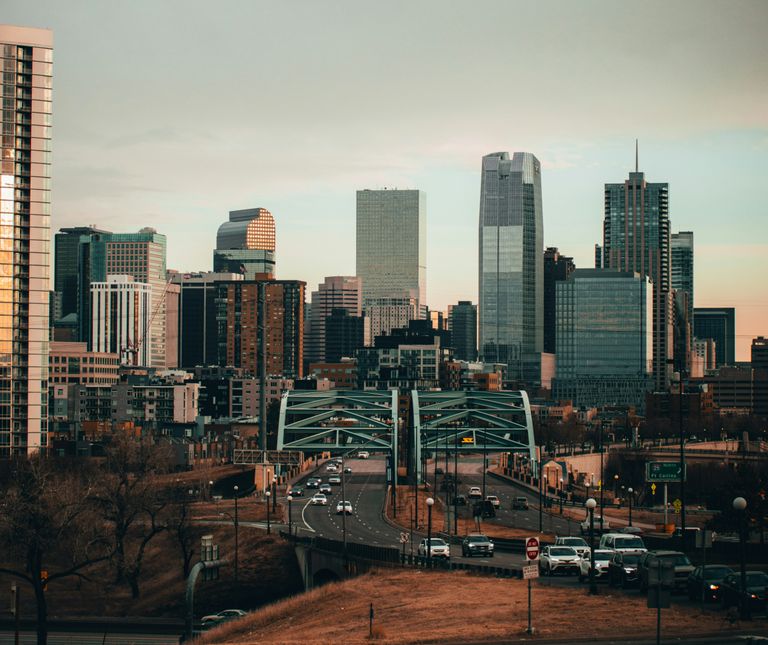
Increasing nonoffice uses and providing more housing will help improve Denver’s office vacancy rate and revitalize the city, according to a report released by the Downtown Denver Partnership.
Downtown Denver has about 12M SF of vacant office space, and about 2.5M SF is slated for residential conversion, DDP President and CEO Kourtny Garrett told Fox31. The DDP report noted that a “reset in building values” makes many conversion projects “more feasible than they were just a few years ago.”
The report, called The Next Era of Downtown Denver: Reinventing Downtown for the Way We Live Now, was developed by urbanist Richard Florida. DDP hired Florida as a consultant to conduct the report. He spent 18 months exploring the Mile High City and released the report on Oct.15.
“Downtown Denver is in the midst of a fundamental reinvention,” Florida said in a statement. “Too much has been made of office vacancy and occupancy — measures that reflect an older economy when downtown was organized primarily around the office. The more important measure today is activity: how many people are downtown, what brings them there, and how they use it throughout the day and week.”
Denver’s foot traffic is more than 90% of pre-pandemic levels, and more people live downtown today than before the pandemic, according to the report. But the area’s slew of empty offices is holding it back.
Several conversion projects have been announced, some of which have received city funding, and one opened earlier this year in the Denver Tech Center.
Developer Asher Luzzatto plans to convert office towers at 621 and 633 17th St. into 700 apartment units, a daycare and retail spaces. Luzzatto received a $63M loan from the Denver Downtown Development Authority for this project but previously told Bisnow that it will cost $310M.
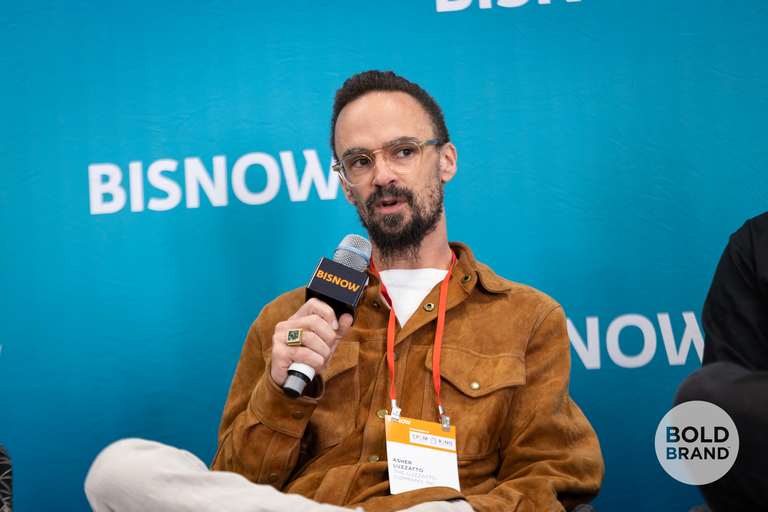
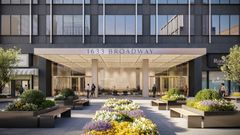
He also intends to spend $150M converting one of two towers at the Denver Energy Center, at 1625 and 1675 Broadway, into 386 residential units with a fitness center, sauna, playroom, restaurant and other offerings. Luzzatto asked the DDA for $29M to help fund this project and filed for a commercial construction permit for work on the Denver Energy Center in September.
The Downtown Development Authority has up to $570M to spend to help revitalize downtown, and it’s eyeing conversions as one project type to do so.
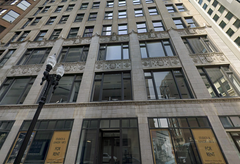
Earlier this month, the Denver City Council approved a $14.7M DDA loan to convert the University Building, a 12-story office tower at 910 16th St., into 120 residential units.
The DDA approved the loan last year but needed council approval before distributing funds since the loan exceeds $500K. BMC Investments and Mile High Development are partnering on the conversion project, which is expected to cost $73M, according to previous Bisnow reporting.
The DDA also approved $14M for an office-to-residential project at the Petroleum Building at 110 16th St. in November. It will cost $45M to turn 12 floors of office space into 178 residential units with amenities such as a rooftop dog park, a fitness center and gardening spaces.
Not all conversions involve repurposing office space.
Developer Perry Rose LLC has proposed converting the Denver Dry Goods building at California and 16th streets from three stories of commercial space into 55 income-restricted units. Renovation plans for Barth Hotel at 1514 17th St. call for transforming the hotel into 50 affordable studios for seniors.
Calls for more housing align with the city’s Downtown Area Plan, which wants to double the area’s residential population to 70,000 by 2045. Downtown added 468 residential units in 2025 and has more than 1,600 units under construction, according to Florida’s report.
“Downtown Denver is only getting started as a place for people to live,” Florida wrote. “Bringing more people downtown to live will generate more activity throughout the day and week and help create a more vibrant, 24-hour neighborhood.”