Chicago Mayor Brandon Johnson is backing away from plans to help fill a $1B budget hole with a large property tax increase.
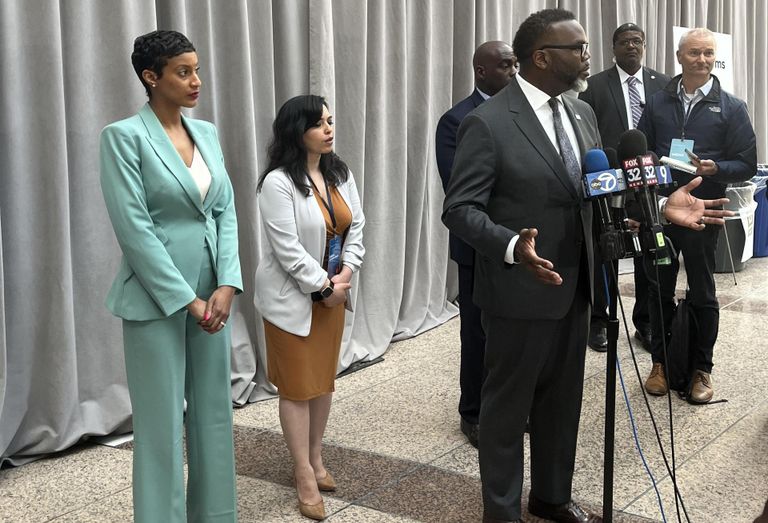
Johnson rolled out a $300M tax hike proposal late last month as part of his 2025 budget, saying the decision came down to “either mass layoffs, curbing vital city services or an increase in property taxes.”
But he reversed course Tuesday after learning that 29 aldermen had teamed up to call a Wednesday city council meeting in which the measure was likely to be defeated, The Chicago Tribune reported.
“The administration has accepted defeat on that one and now they are trying to regroup,” 9th Ward Alderman Anthony Beale told the Tribune.
The retreat will come as welcome news to the commercial real estate industry, which has warned for years that the city's tax environment was already stifling investment in Chicago.
Chicago CRE professionals ranked property taxes as the city's second-greatest near-term challenge behind safety, according to a September midyear sentiment report by the Real Estate Center at DePaul University and the Urban Land Institute's Chicago District Council. Taxes and pensions were their greatest long-term concerns.
How the city will attack its daunting budget shortfall is still an open question. Johnson has directed his staff to find alternatives, including replacing the $300M that would have been generated by the tax with federal pandemic funds, raising garbage collection fees or raising other taxes, the Tribune reported.
A smaller property tax hike is also still on the table, Jason Lee, a senior adviser to the mayor, told the Tribune.
“We’ve all inherited tough situations, and that requires tough choices,” Lee said. “It doesn’t make sense to impose those choices, it makes sense to build tough choices by consensus.”
In private meetings with aldermen, Johnson staffers reportedly floated redirecting $280M in American Rescue Plan funds to help fill the budget hole as well as raising 10 other taxes and fees, including those on trash collection, streaming services, bags at retail checkouts, and leases of cars, equipment and cloud services or software.
Several aldermen warned they would oppose hikes that they deem regressive or strain the budget of everyday Chicagoans. Others said the Johnson administration should look at where it can rack up savings.
“They don’t want to belt-tighten,” Beale told the Tribune. “They don’t want to trim the fat that’s in the budget. They just want to keep spending and keep hiring and keep spending.”