If you need help getting infrastructure and public improvements on the ground, consider a Public Improvement District (PID). DPFG managing principal Rick Rosenberg just helped close a $5.2M financing in Leander using a PID, and tells us the mechanism is being used more often across Texas. PIDs are created by cities or counties (at no risk/exposure to them) and use bond proceeds to deploy non-recourse funds to developers on the front end, as opposed to other tools (like 380 agreements) that make developers pay up front and get reimbursed through incremental tax revenues as the project develops. PIDs also cover a broader range of improvements, from roads and water to landscaping and public art.
PIDs have been on the books in Texas since 1987, Rick tells us, but have become more common since 2011 as banks have stepped back from lending for upfront infrastructure, especially on a non-recourse basis. PIDs are typically used for infrastructure costs topping $5M and are repaid by assessments on the property (similar to ad valorem taxes), but aren’t variable with property value. They’re very secure loans (the appraised value is three times the value of the bond, Rick says), and the financing is tax-exempt and long-term. That means developers may be able to pass on the cost of repayment of the assessments to end users. And the interest rates are pretty reasonable—the Leander deal was a 5.74% average rate for 30 years.
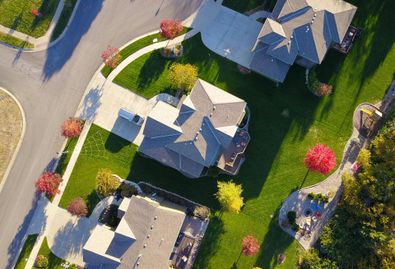
More on the Leander closing: Sentinel/Cotter is developing 151 acres into primarily single-family homes with some multifamily or townhomes. It’s in a transit-oriented-development zone in Leander, and the City (including city manager Kent Cagle) was happy to facilitate the PID funding to ensure the developer would build better amenities and public space. Besides the $5.2M PID, Sentinel/Cotter negotiated a $4M tax increment rebate. Rick’s working a number of other PIDs around Central Texas, including a 2,000-acre mixed-use project called La Cima in Hays County. (That’ll include 2,000 residential units and 200 acres of commercial development.) The PID is approved there, and the first bonds will be issued in a few months, Rick tells us.