
Bisnow's new podcast series, Office Politics: The Battle For The Future Of Work, is an in-depth examination into the raging debate surrounding when and where we work, and how that will affect not just how we use offices, but the operation of society itself. Featuring academics, authors, business leaders and workers, weekly episodes will look at how the potential shift to more remote work will affect productivity and the economy, social equality and workplace diversity, human psychology, the fight against climate change and the future of cities. You can subscribe on iTunes, Spotify and Amazon Music.
As the end of summer brings the potential for a more significant return to the office by workers, big cities like New York and London are facing one of the greatest ever challenges to their economic model — hybrid work.
The idea that workers might only come to the office two or three days a week presents a major problem for the businesses in city centers that rely on them, business owners told Bisnow in the fifth and concluding episode of Office Politics: The Battle For The Future Of Work, a podcast series presented by Industrious.
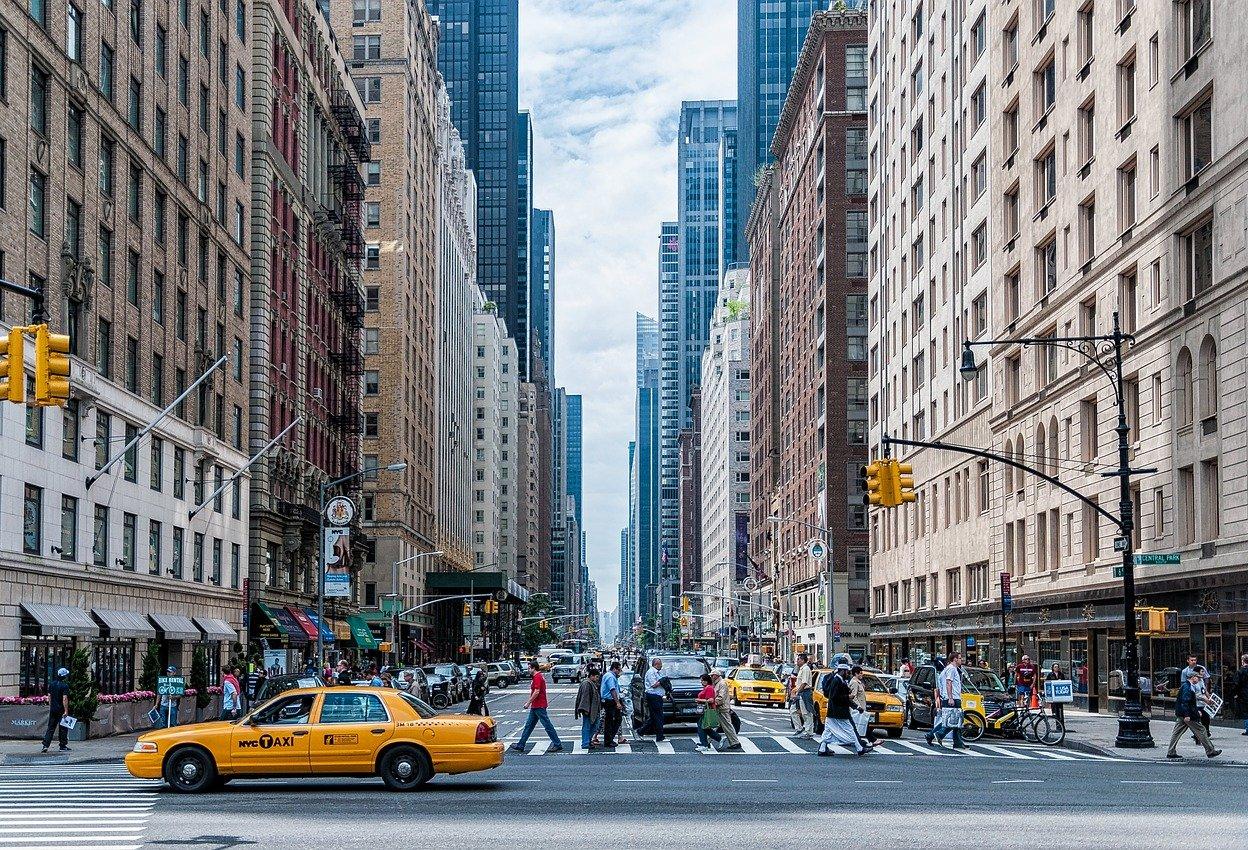
“It's great that the offices will be full; three out of five days in is better than zero out of five days,” New York restaurant owner Andrew Schnipper said. “But it's not the solution we need. We need more people than that or the business model is completely different.”
Potential changes in the value of commercial real estate risk denting the tax take of major cities. That could impact the level of services they provide, making them less attractive to residents and businesses.
“[Hybrid work] would change New York City in a fundamental way. And I think that's really what we're afraid of,” Manhattan Chamber Of Commerce President and CEO Jessica Walker said.
It is not all doom and gloom for cities: The agglomeration effect that has drawn people for centuries has not disappeared and good jobs are still concentrated in the biggest cities. And falling residential rents make cities like New York more accessible to younger workers for whom cities had stopped being the escalator of opportunity once taken as a given.
But cities are no different to corporate occupiers, office real estate owners and workers themselves. When something as fundamental as the way hundreds of millions of people do their jobs changes at such a rapid pace, the whole of society is going to need to reimagine the way it operates.
)
)
)
)
)
)
)
)
)
)
)
)