The strength of the US labor market is a major sign that the economy is on the mend, despite recent worries of job gains plateauing. But employment gains have not spread to every industry.
Legal firms in particular have yet to rebound to their pre-recession employment levels, according to a recent Savills Studley report, and that stagnant head count, coupled with firms’ declining fees, has resulted in major law firms downsizing office space to cut costs.

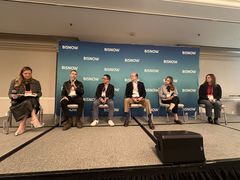
“Law firms have been one of the largest users of space historically,” Savills Studley chief economist Heidi Learner (pictured) tells Bisnow. “It’s not that rents are too high; firms are (determining) the easiest ways to cut back. This could mean anything from associates doubling up in an office to moving to a universal office (format)—meaning senior partners and first-year associates get the same amount of space.”
According to the study, future growth prospects for legal firms seem unlikely, especially with the number of law school graduates dropping from 47,000 in 2013 to below 40,000 last year.
Paul Hastings, for example, signed a new lease in San Francisco downsizing to a 40k SF space at 101 California St from its former 70k SF offices, while NYC-based DLA Piper renewed its lease but shed 40k SF at its 1251 Avenue of the Americas location.

“Incrementally it means that unless firms are rapidly going to increase their head count, law firms are not going to be a source of positive absorption of office space,” Heidi says. “Most law firms are downsizing and re-evaluating space needs, so unless they expand into new business lines, I’m not sure why their space needs would grow.”
But firms have shown little interest in migrating to cheaper markets to reduce costs. Heidi says firms need to be where their clients are, and as such will remain in top metros throughout the country.
There's an exception: “Those back office activities that aren’t client-based,” Heidi tells us. “They’re realizing that those operations don’t need to be in the most expensive cities.”