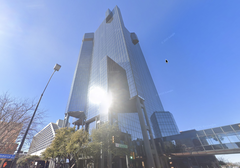
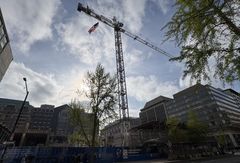
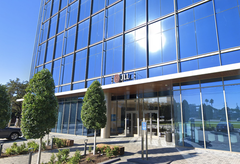
An estimated 50M SF of lab space sits empty across the United States, much of it built in the last year.
“Some of that space was never really great lab space, even in a low-vacancy market, so that's sort of the backdrop for what's going on,” said JLL Managing Director Grant Yeatman, who runs the West Coast life sciences team.
Filling up this space isn’t as simple as holding on and waiting for tenant demand to come back. In addition to the costs associated with keeping high-end HVAC systems and delicate lab gear in good shape, landlords, owners and operators have to be savvy about how and when to start positioning their space for the expected swing toward increased investment, deal flow and leasing.
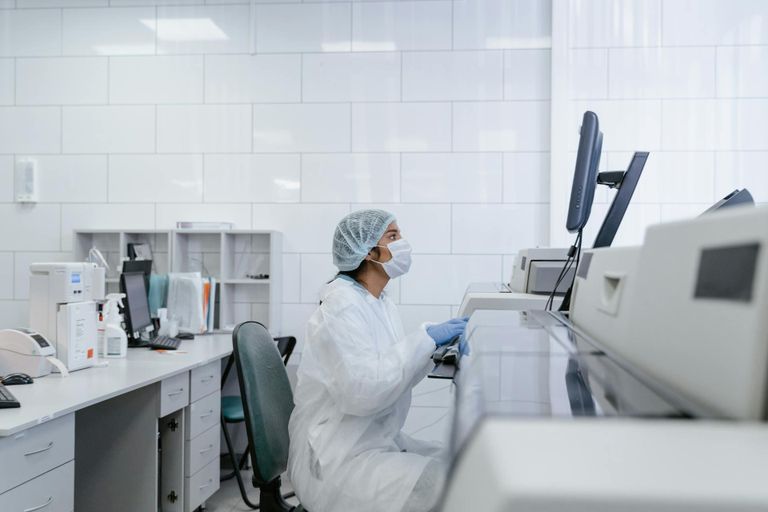
Developers want to get ahead of the market so they don’t lose out to competitors that began completing space earlier, but they also need to balance the need to preserve capital before finally signing a tenant.
“That is one of the most dynamic or tough questions for developers in this situation,” said Project Management Advisors' Executive Vice President and National Life Sciences Sector Lead Ken Richter. “It all depends on the building.”
These decisions include how and when to subdivide huge floor plates and massive buildings meant for marquee tenants or Big Pharma clients that simply aren’t in the market right now. That might include starting to complete space on spec, carving large spaces into separate labs or incubator spaces, or even transitioning space to advanced manufacturing or office uses.
Many of the larger projects that broke ground in 2021 aimed for the elephants, or large tenants, and subdividing would mean reworking layouts and entrances.
“We have this conversation very often with clients,” CBRE Advisory Life Sciences Practice Lead Matt Gardner said. “Many landlords right now, or in the last 12 to 18 months, have been updating their math around how much space they want to set aside for the highest-risk kind of startup or incubator client.”
Landlords holding empty labs face maintenance and upkeep costs as they try and expand their capital to cover additional time without tenants. It’s very similar to the situation facing empty office space in the wake of the pandemic.
“It’s not much different than an office,” Unispace Life Sciences Americas Managing Director Daniel Maldonado said. “You have to maintain it.”
Many of the recently completed so-called finished spaces actually exist in a space known as a warm shell. The exterior and amenities have been finished, and lab floors have top-of-the-line HVAC and electrical systems installed, but tenant-specific touches, especially specific lab machines and layouts, remain to be completed, a process that can take half a year or more, said Richter. Developers can decide to bring spaces more towards a spec state and start making some of those improvements, perhaps shortening a six to nine-month process down to four to six months.
The Research and Development District project in San Diego, for instance, was in a warm shell state when Richter said he toured it. It’s Class-A space, the kind desired more by users in a flight to quality environment, but individual floors need finishing. He estimates it would take six to nine months to finish depending on the tenant's needs.
In some cases, investments can help lab space appeal to different tenants. In the Bay Area, tenants in the advanced manufacturing, energy tech and battery tech spaces have been interested in converted former lab projects, Yeatman said, since they’re also seeking atypical, high-tech workspaces.
In other cases, buildings that might have been office-to-lab conversion projects might need to revert to their original roles.
“In some cases, it’s unfortunately a case of, ‘This didn’t work out and we have to reposition back to office,’” he said. “That might not be the greatest answer, but it’s a better answer than getting nothing.”
Richter hasn’t seen any developers start investing in warm shell space in preparation for a more immediate market shift. He sees sentiment changing, but not enough to push owners to upgrade their space.
Maldonado sees a similar sentiment shift. The earlier belief that the Fed cutting rates would trigger more investments has stalled, and mortgage rates remain high, but he foresees more activity in the second half of 2025.
That means owners need to start strategizing and planning today. It’s expected that both policy decisions and announcements at the JP Morgan Health Care Conference in mid-January will start laying the ground for strategic decisions about the rest of the year.