Amazon launched a pilot program to make ultrafast deliveries that, if successful, could fuel demand for industrial space.
The online shopping and web services giant's Amazon Now, which is starting in Seattle and Philadelphia, promises to deliver everyday essentials in 30 minutes or less.
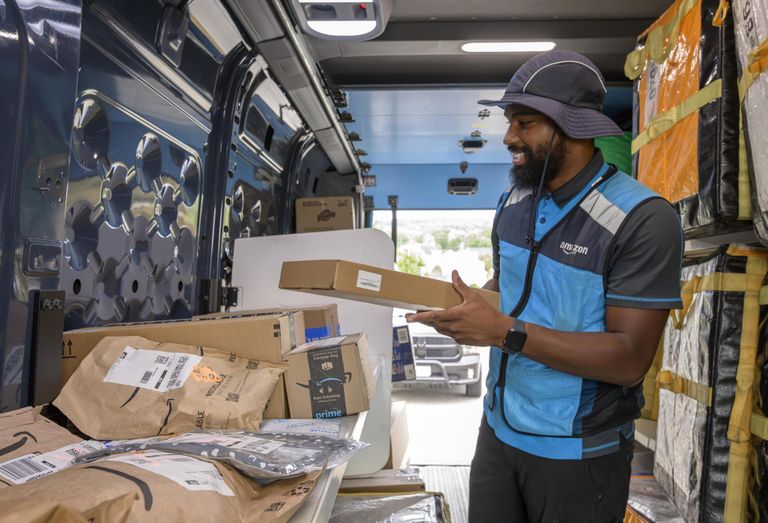
Amazon is leveraging smaller distribution centers closer to urban cores to get products to customers quickly, and an expansion of the service could create new demand for industrial space from the country’s largest warehouse occupier.
Amazon Now is part of the company’s effort to compete with traditional grocery stores. Amazon already offers same-day delivery of perishable groceries in more than 1,000 cities and plans to reach 2,300 locations by the end of the year, according to the company’s third-quarter earnings report.
“Everyday essentials continues to grow quickly, and year-to-date is growing nearly twice as fast as the rest of the business,” CEO Andy Jassy said on the earnings call for the $2.5T giant.
The expedited delivery option will cost $3.99 for Amazon Prime members and $13.99 for other customers. Orders under $15 include an extra surcharge, and customers will have the option to tip their driver.
The Amazon Now pilot is also set to launch in Fort Worth, Texas, according to The Information. The smaller, convenience store-style delivery hubs will have staff boxing up orders and Amazon Flex workers picking them up for delivery, The Information reported.
The vast majority of Amazon delivery drivers are from third-party contractors. Amazon Flex is a gig worker option in which drivers sign up for single shifts and use their own vehicles, while the company's Delivery Service Partner program covers workers in Amazon-branded vans.
Amazon didn’t respond to a request for comment Tuesday morning.
Thousands of products are available through the pilot program in Seattle and Philadelphia, according to Amazon. The focus is on perishable items and groceries like milk and eggs, but also cosmetics, diapers and other consumer goods.
Amazon Now puts the company in direct competition with other quick delivery providers like DoorDash and Instacart. Amazon, which also owns Whole Foods, has had broad adoption of its existing same-day perishable-delivery service and sees groceries as a major growth opportunity.
“We started with a few markets about a year ago, and we were really taken aback at the adoption, not just the number of people that started buying perishables from us very quickly but how often they came back downstream to buy perishables and groceries from us in the future,” Jassy said on the Oct. 30 earnings call.
Amazon had more than $100B in grocery sales in the 12 months that ended in October, even after excluding business from Whole Foods, making it one of the largest grocers in the U.S., Jassy said.