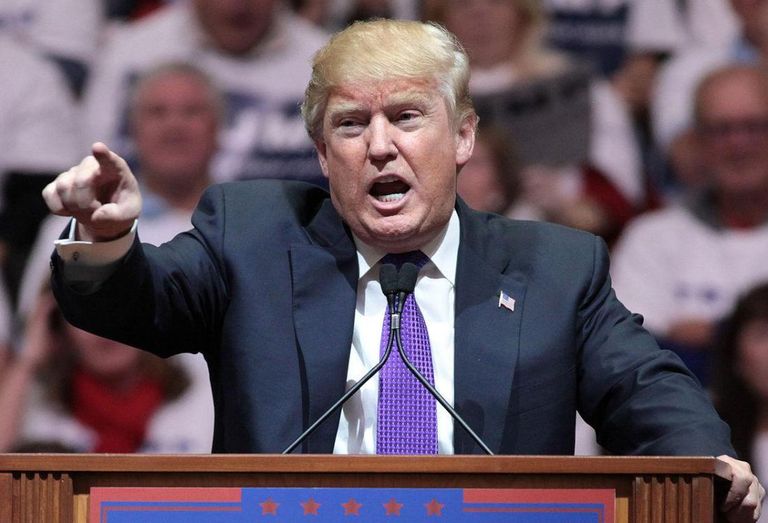
President Donald Trump is heating up the trade war with China again, and it could hit U.S. retailers in a big way.
On Thursday, Trump announced on Twitter that he will levy a 10% tariff on the remaining $300B of Chinese imports that had not been previously affected. He said the new tariffs are in response to China reneging on a promise to buy American produce.
The first round of tariffs Trump imposed on China focused on industrial goods and other products that an average consumer would never buy, but increased the price of many materials used in construction. The second round included a combination of industrial goods and consumer goods, but the remaining imports — mostly consumer goods — will now be taxed 10% starting Sept. 1.
Analysts from financial institutions like Goldman Sachs predicted in the wake of the announcement that department stores would once again be hit the hardest by higher costs on Chinese imports, with stocks in multiple such retailers diving sharply in the immediate aftermath.
If Trump were to escalate this latest round of tariffs from 10% to 25% like he has with previous groups of goods, as many as 12,000 stores in the U.S. could close in the next year, according to a report from UBS.
Trump announced the tariffs over vehement protestations from his staff and economic advisers, The Wall Street Journal reports. The dissent largely stemmed from concerns that more tariffs would imperil ongoing trade negotiations with China and open the U.S. up to potential retaliations.
Within days of Trump's tweets, China's retaliation took shape. State publications announced that the Chinese government was lowering the value of its national currency, the renminbi, below a 7-to-1 ratio with the U.S. dollar, the Washington Post reports. Lowering the value of its currency will make American goods more expensive comparatively and offset the tariffs, though it can also weaken the Chinese economy and cause local investors to move their capital to other countries. The 7:1 ratio has not been breached since 2008 and had been considered a hard line unlikely to be broken, according to the Post.
China also has halted all purchasing of U.S. agricultural products, deepening an issue that was already at the forefront of Trump's criticism, CNBC reports. On Monday, Trump accused China of manipulating its currency to hurt American interests. His continued aggression toward China has led experts to believe the trade war will likely continue at least through the 2020 election, which may be longer than many developers and construction firms can survive.