The House of Representatives is set to vote Wednesday evening on a last-minute agreement that President Joe Biden and Speaker Kevin McCarthy reached to raise the federal debt ceiling and avert a government default.
While the final 99-page bill would cut $136B in federal spending, it doesn't pull back any of the spending from the Infrastructure Investment and Jobs Act, which is intended to spur major federal infrastructure projects, and it includes environmental permitting reforms aimed at moving those projects forward faster.
Infrastructure projects can often wait up to five years to receive the necessary federal approvals, but the bill's permitting reform provisions would require the environmental review and approval process for new energy projects take no longer than two years, CNN reported.
“The debt limit deal announced over the weekend includes significant reforms to a federal permitting process that has, until now, been one of the main impediments to progress on many vital infrastructure projects," Associated General Contractors of America CEO Stephen Sandherr said in a statement Monday.
Heads of public construction companies had been closely watching the deal to ensure the $550B in new spending from the infrastructure law didn’t get cut in the process, Construction Dive reported.
The spending to upgrade and expand the nation's roads, bridges, train stations, public transit systems, ports, airports, power grid and other facilities is expected to have a major impact on commercial real estate in the areas surrounding the projects. But the length of the environmental review process can often delay those projects and their benefits by years.
The bill includes a provision for the Council on Environmental Quality to conduct a study and submit a report to Congress on the “potential for online and digital technologies to address delays in reviews and improve public accessibility and transparency,” for which the legislation allocates $500K.
The bill also recommends a “lead agency” take charge of reviews when more than one is involved, and that environmental reviews should be outlined in a “concise public document” for each project.
Some proposals environmental groups had hoped for didn’t make it through. That included a measure to address electric transmission woes by requiring regions to have the capacity to transfer at least 30% of their peak electricity demand between each other, Reuters reported.
Environmental groups are also not in favor of the allocated funding for the long-stalled Mountain Valley Pipeline. The bill provides $6.6B for the 303-mile project intended to carry natural gas across Virginia and West Virginia.
McCarthy said the debt ceiling deal isn’t the end of the road for energy permitting reform, and he plans to continue working with Biden and other Democrats to discuss additional steps.
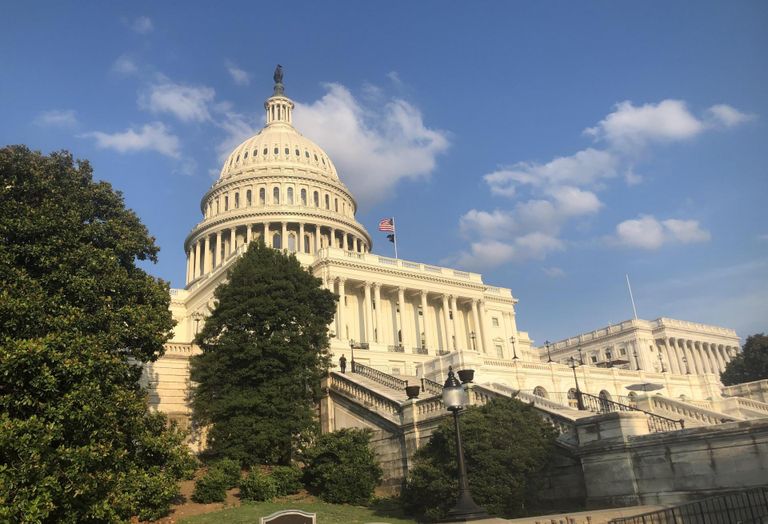
“There’s much more that needs to be done," McCarthy said at a news conference at the Capitol on Sunday.