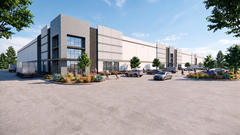
Dallas-Fort Worth’s historically strong industrial sector reached record heights earlier this year, and the growing region has solidified itself as a must-own market for institutional investors and developers.
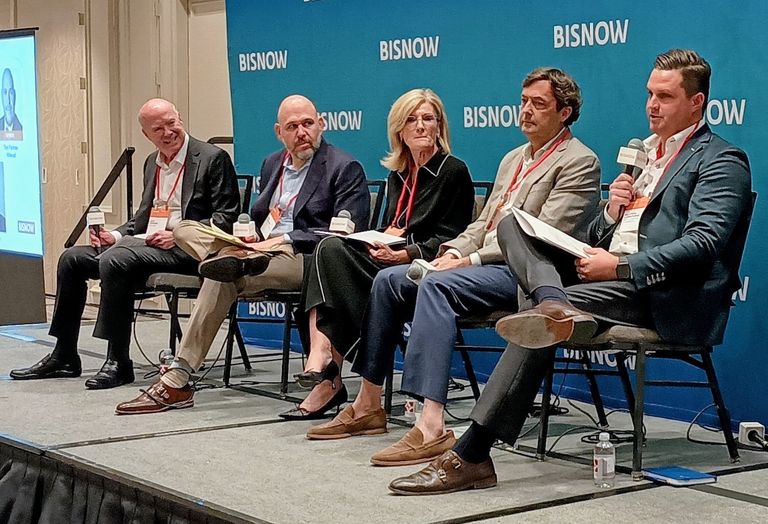
That is because DFW boasts a business-friendly climate and central location in the U.S. that helps it stand out from other areas of the country. Plus, the metro’s infrastructure and consumer base will keep the region an industrial hot spot, despite the recent change in the state’s political winds, Clarion Partners Director Dayton Conklin said.
"I fully expect it to continue to grow, even though we're now a blue state," Conklin said during Bisnow’s 2026 DFW Industrial Summit this week at the Hilton Dallas Lincoln Centre hotel.
However, that growth won’t be limited to the already established areas of the metro. Holt Lunsford Commercial Chief Investment Officer Hutton Lunsford said he believes the next big industrial corridor in North Texas is Grayson County.
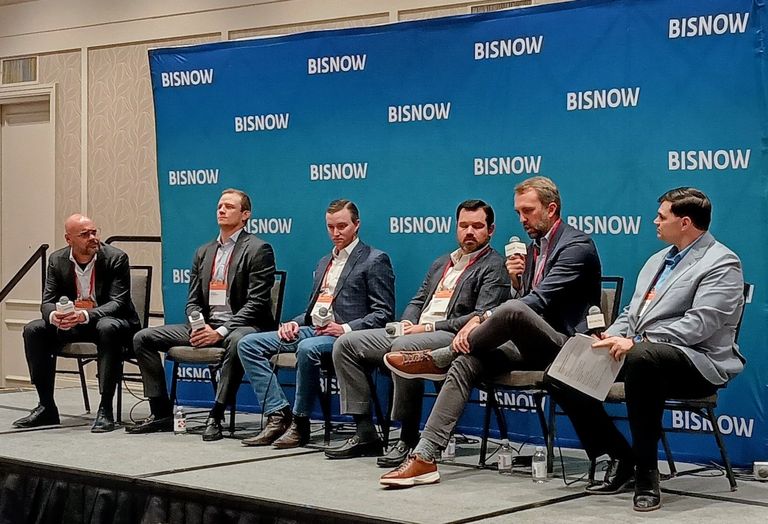
The county, which is about 60 miles north of Dallas, has become the centerpiece of North Texas' Silicon Prairie push, with Sherman lining up more than $40B in investments in massive semiconductor plants from Texas Instruments, GlobalWafers and Coherent.
Those semiconductor plants are already attracting suppliers looking for industrial space near Grayson County’s largest city.
"It seems like there's more activity than ever up in Sherman," Lunsford said.
Still, Hanover Co. development partner James Melody said there are opportunities in Sherman for investors with enough capital.
Jackson-Shaw is also looking to the metro’s north, as the company has some projects lined up in Denton.
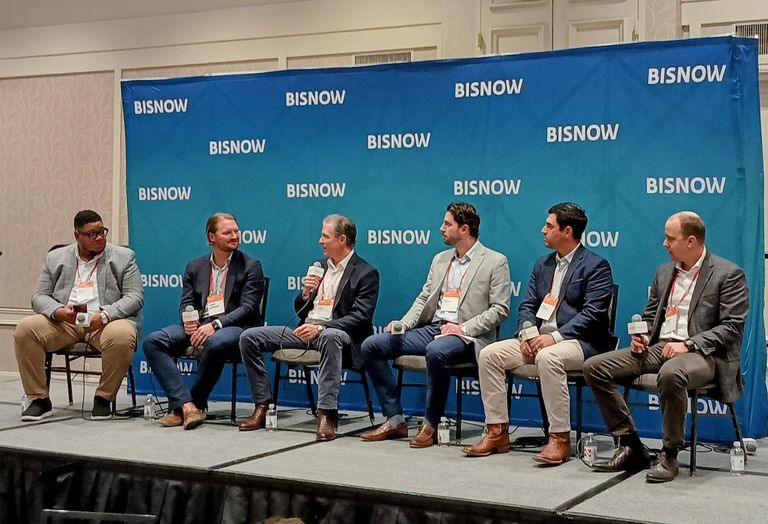
While Denton's industrial leasing hasn't matched the momentum experienced by the rest of the area, NAI Robert Lynn principal Rick Medinis said it is still a dynamic market that is set to grow.
"You get a little bit of a price break if you're a user up there," Medinis said. "There's a lot of land heading north from there that's still going to be available."
Just south of Denton, the 27,000-acre AllianceTexas master-planned community developed by Ross Perot Jr.'s Hillwood in North Fort Worth is one of the most successful industrial submarkets in DFW. The Alliance area was the most popular industrial destination in North Texas during the third quarter, absorbing more than 3.6M SF, according to the latest data from Cushman & Wakefield.
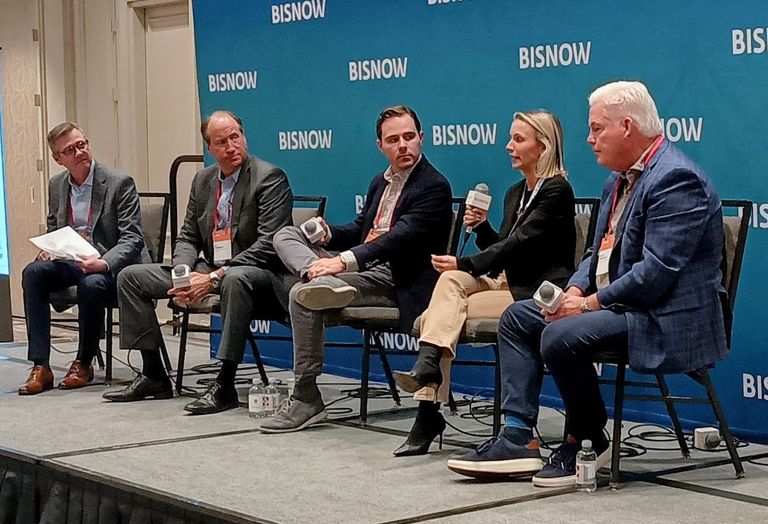
During the first three quarters of the year, Alliance absorbed more than 7.6M SF, double the total of the next-closest submarket in the region. Alliance’s year-to-date totals of more than 10M SF of leasing activity and 5M SF of deliveries are all also top in the metro.
That area of Fort Worth is very popular now, and it is still going to be a hot market in 10 years, especially as the city's population continues to grow, Melody said.
"The amount of homes being built there, the amount of business wanting to be located there, the infrastructure — it's fantastic,” Melody said of North Fort Worth. “We're knife-fighting our way to deals in that pocket of the world, and I just don't think that's going to change at all."
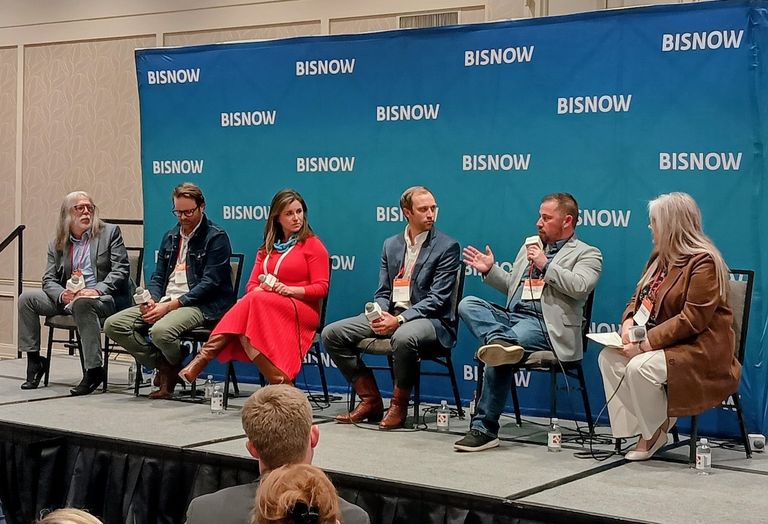
With much of the infill space in the region’s biggest cities already claimed, cheaper land is pulling development in all directions.
In addition to Alliance, Hillwood has had success to the south in Midlothian, with both big-box development and smaller developments. The company’s Midlothian projects all reached 100% leased over the past 15 months, according to Tom Fishman, Hillwood’s executive vice president of acquisitions and dispositions.
"That's the beauty of Dallas: You can go 50 miles either way and you can find some opportunity," Fishman said.
In addition to north and south, industrial development is also moving east and west, Majestic Realty Co. Senior Vice President Al Sorrels said.
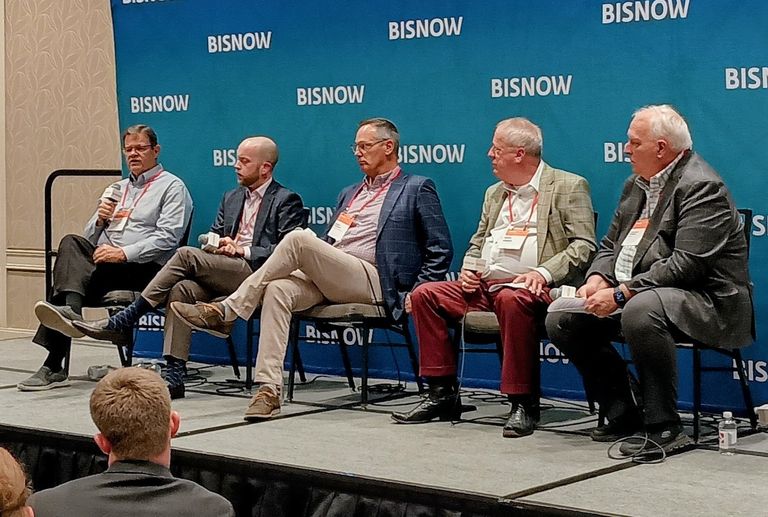
People are looking west of Fort Worth toward cities like Weatherford for opportunities, while to the east, Forney and Terrell have emerged as industrial hot spots. But Sorrels is uncertain whether development will continue in those directions.
Sorrels highlighted the potential in Waxahachie, which he said now feels like an extension of South Dallas.
Hillwood broke ground last month on a 3.2M SF speculative manufacturing development there that Sorrels said will bring more attention to the area.
"The corridor from Dallas to Austin would be my go-to if I was going to focus on an external area of DFW and you can't find any infill sites,” Sorrels said.
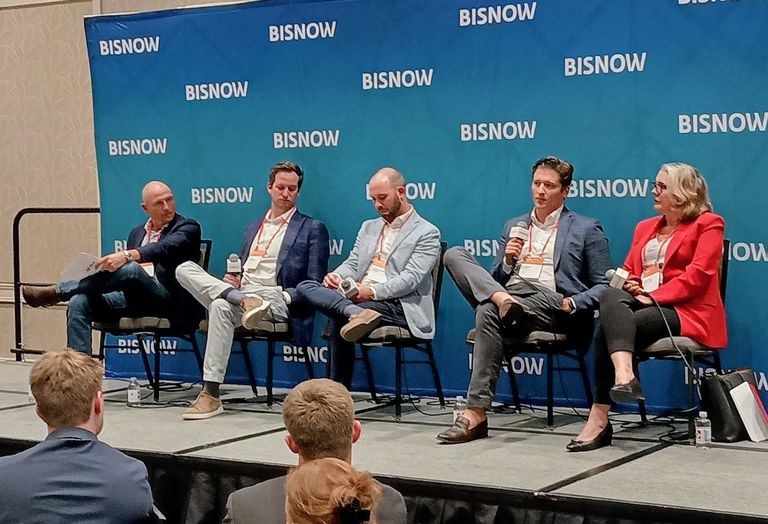
Jackson-Shaw President Michele Wheeler said she also likes the Interstate 20 and Interstate 30 corridors for future industrial development, as they have the infrastructure developers are looking for as well as a strong labor pool.
Labor for industrial projects is a top request Sansone Group Development Partner Chloe Garside gets from her clients. That is why she suggested projects should stick near those major transportation corridors with growing residential populations.
Garside also watches where other large investments are happening because smaller projects can build off the utilities put in for those megaprojects.
"If you're seeing a large company that has all the research in the world going somewhere … there will be future growth and development there," Garside said.