As large-scale data center development faces a backlash across much of the country, several startups are rolling out smaller-scale artificial intelligence computing systems that can be installed inside existing commercial buildings.
Dallas-based Watter is leading the charge to turn excess power capacity into AI compute power for much denser areas than most data centers can reach. While companies like Perimeter Compute and Infinium focus on packing impressive power into small footprints, Watter aims to do that while also turning AI waste heat into hot water for a massive Dallas hotel.
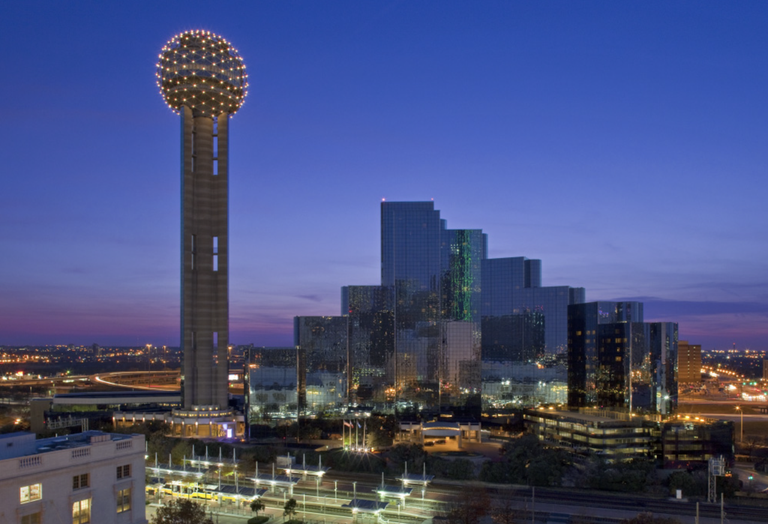
The AI infrastructure startup deployed its first waste-heat conversion system in the Hyatt Regency Dallas at Reunion Tower. Watter CEO James Hancock said the Hunt Realty-owned property could pocket north of $100K over the next year in cost savings from the system and profit sharing from renting the computing systems it hosts.
“There are just immense numbers of properties that this is suitable for,” Hancock said. “It can eventually become a real impact and a real alternative to some of the environmental problems that happen within major data centers.”
Energy infrastructure company Infinium launched its EdgeSites program this summer in Sacramento, California, where the firm is based. The program uses the company's Edge Thermal Vectoring immersion cooling platform, which can house 1-10 megawatts of AI compute capacity, depending on a site's available power.
Infinium's systems scale easily. As Vice President of Business Development and Alliances Troy Mitchell explained, the company could set up a 3 MW deployment in around 5K SF.
"Three megawatts in a traditional data center is 30K SF, at least," Mitchell said.
Perimeter Compute is readying the first commercial sites for its AI inference hubs, which will range from 500 to thousands of the latest graphics processing units. CEO David Hall said commercial landlords could pocket $100K per megawatt of power they host each year with no impact on their existing tenants.
Companies behind these smaller-scale compute systems see them as complementary to existing data centers.
“I don't think people are going to ever shut off their massive gigawatt data centers that they spent trillions of dollars on,” Hancock said.
The 2-year-old Watter spun out of Hunt Innovative Technologies, which is part of the Hunt Energy organization. The startup raised $5M in seed funding from Hunt Innovative Technologies and Dallas-based investor 17Shoals last year and an undisclosed amount earlier this year.
Hancock said the idea of using waste heat from compute mechanisms to produce hot water was originally conceived for residential use. But the same liquid-cooled systems inside a water heater are used in large-scale commercial buildings.
“The reason why hotels make so much sense is you have really good power infrastructure inside the building already," Hancock said.
Watter drops off all the parts needed for installation along with its servers, so a commercial plumber or regular electrician can hook everything up. The company pays for the installation and submeters the electricity that it uses, so that is covered as well.
"We pay for the whole thing, soup to nuts, to put it in,” Hancock said.
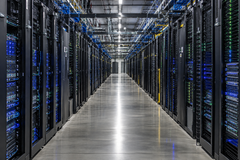
Where a massive AI data center could have 1,000 server racks in one place, Watter aims to install one to 10 racks in hotels and other commercial buildings. The 28-story Hyatt hotel in Dallas has a small room with one rack featuring 64 Nvidia GPUs, which produces about 100 kilowatts of power.
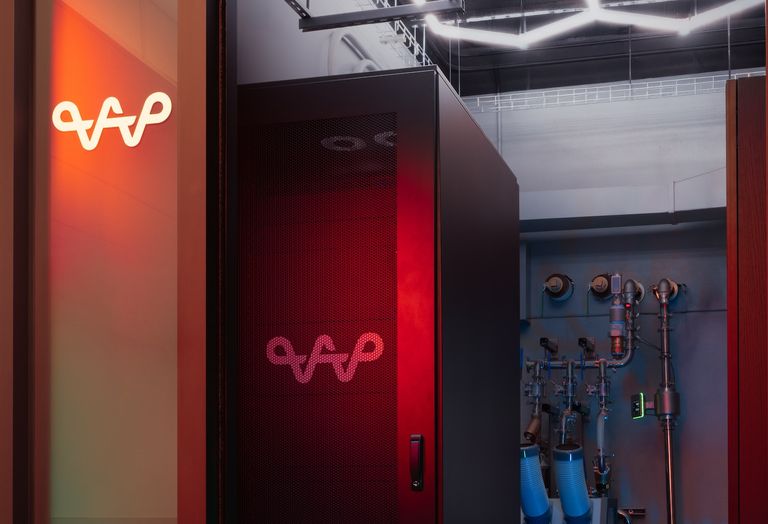
That system has been operational for a few months, but Hancock said the company has around 200 additional sites lined up, including hotels, commercial warehousing properties and multifamily buildings.
The firm aims to have five more sites operational in DFW over the next year, and then Hancock wants to expand nationally. He didn’t specify where the company’s additional sites will be but said Watter's model would work well in densely populated cities such as New York, San Francisco and Seattle.
Infinium has around 250 sites across the country that it’s considering for future deployments, and Perimeter Compute is looking at a number of metros across the U.S. as well as locations in Europe and Southeast Asia.
“We see our value in utilizing resources that have been in place and ignored for years,” Hall told Bisnow. “We love that we service the needs of the AI community without impacting overly stressed utilities and supply chains.”
While Watter is starting small, Hancock said the company’s systems are easy to grow exponentially. And with the Hyatt Regency expected to pocket six figures over the next year for one rack, the financial benefit for the owners of future deployment sites could match that growth.
“We've seen some buildings that have a megawatt-plus worth of power available, which would put you in the realm of eight to 10 racks that could fit into that location,” Hancock said.