
Millennials are expected to affect the future of office, especially as they become a larger part of the workforce. Co-working and where people work are other trends Rubicon Point Partners Managing Partner Ani Vartanian Boladian is keeping an eye on in the West Coast.
:quality(75))
Employers are following the talent and are expanding their offices into places where talent is located, such as Seattle, the Bay Area and Los Angeles, according to Boladian. Because of affordability issues, many people are moving from the Bay Area to Seattle and so have companies like Facebook and Google.
“Human capital matters more than it ever has before,” Boladian said. “Employers are trying to find the best and brightest.”
Many of these employees are millennials, who are quickly overtaking the baby boomers and Generation X workforce. In eight years, millennials are expected to be the dominant workforce, according to Boladian.
“How we think about real estate in terms of retail or office needs to reflect the changing behaviors and attitudes,” Boladian said.
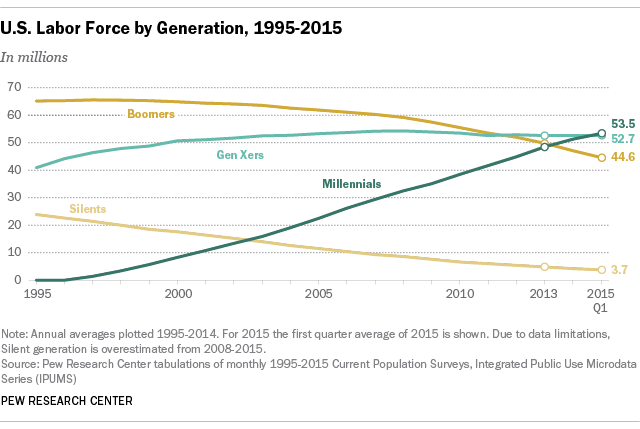
In recent years, appealing to the millennial workforce has typically meant more open collaborative workspace, but many employers are fielding complaints of loud noise and declines in productivity. Developers like Rubicon Point Partners have needed to incorporate more flexibility and each of the company’s office layouts can be adapted to the needs of an individual market.
Co-working also is no longer an early concept and is becoming another part of the office segment, according to Boladian. More and more people like the flexibility of the co-working concept. WeWork has been among the co-working companies expanding along the West Coast with new locations in San Francisco, Oakland, Burbank and San Diego within the last 12 months.
For Rubicon Point Partners, leasing activity and momentum remain strong and rent growth has slowed to a more healthy level. The company has been focusing on acquiring properties since 2011 and is positioned in urban and suburban areas in the Bay Area with some assets in Southern California, according to Boladian. It prefers markets served by mass transit and transitioning markets. And it prefers innovation-based markets, such as the Bay Area. Its building tenants run the spectrum of tech, financial, insurance, real estate and accounting.
Learn more about West Coast Office trends from Vartanian and other experts at Bisnow's upcoming Big West Coast Office Expo on Sept. 19 in San Francisco.
)
)
)
)
)
)
)
)
)
)
)
)