750k SF Of Industrial To Break Ground At Port Of Oakland This Year

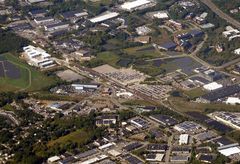
Port of Oakland plans to begin construction on 750k SF of industrial this year, which will help the port continue to grow over the next two decades. The port also plans to increase the height of ship-to-shore cranes to load and unload bigger ships, which will help increase cargo volume. The port previously reported a record-breaking number of containers handled last year.

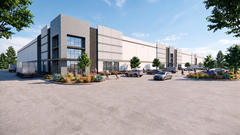
The newest developments include a 283k SF Cool Port refrigerated warehouse to begin in March, which could add 30,000 containers of chilled meat coming into Oakland. A 444k SF Seaport Logistics Complex could also break ground in late 2017. Phase 1 of Prologis’ Oakland Global Logistics Center is expected to deliver next quarter adding another 265k SF of industrial.

Six cranes will also be raised by 26 feet in April so they can reach containers stacked on the largest ships berthing in North America.


Continue reading this story with a free account

Log in or register
Related Topics: Oakland , Port of Oakland , Prologis Inc.
Sign up for more articles like this
Subscribe to Bisnow's San Francisco Newsletters
Related Stories

Senate Passes Bill To Speed Up Permitting, Make Data Centers Pay More

Women Spearheading D.C.-Area Real Estate Take Home Bisnow Honors

Brookfield's Lowell Baron On Building The Firm's Edge, Where It's Betting Next

Developer Plans 595 Apartments At Woburn Transit Center

Your 2026 Return Is Still Open: Depreciation Moves CRE Owners Can Make This Tax Season

Market Knowledge And Live Data Can Turn Cost Management From An Operational Must Into A Strategic Tool

EXCLUSIVE: Cerberus-Backed Company Behind London Resi Development To Be Liquidated

DFW Industrial Growth Expands Beyond Core Markets As Developers Chase Cheaper Land

British Land Ups Guidance As AI Drives Restructure And Possible Job Losses

Triten Starts Speculative, Small-Bay Industrial Project

As The Transactional Market Remains Tough, 5 Emerging Investor Trends Gain Traction

San Francisco Hotels 'Pushed To Their Limit,' Yet Reinvestment Lags