Efforts to upgrade America's aging power infrastructure and close its housing shortage received a jolt Thursday with the passage of a major permitting bill in the U.S. Senate.
The bill, which still needs to pass the House, would speed up the process to add new power generation and transmission lines to hook up more data centers to the grid. But it would make data centers pay a larger share of those infrastructure costs.
The permitting reforms could also shrink the timelines for housing and public transit projects that require federal approvals.
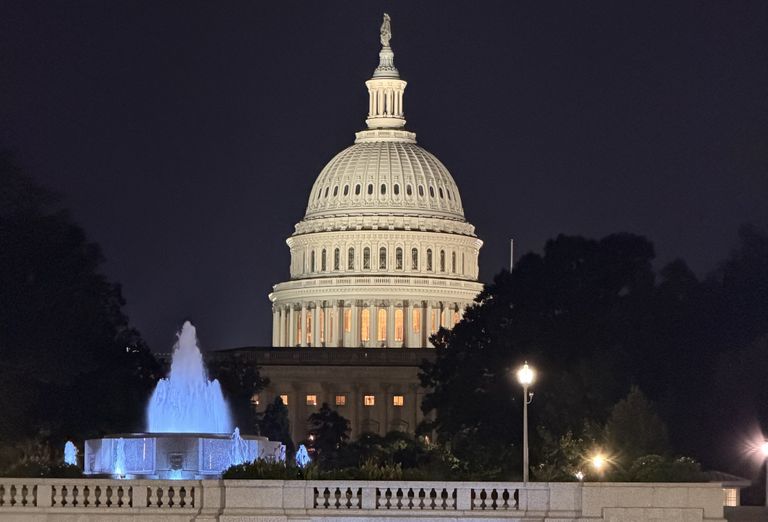
The Bipartisan American Affordability and Jobs Act passed by a 62-to-33 margin around 10 p.m. ET on Thursday. Two of the four senators who sponsored the bill were Democrats, but the vote split their party, with opponents arguing that it would help advance fossil fuel projects and data centers. Two Republican senators also voted against the bill.
The bill would amend the National Environmental Policy Act, the National Historic Preservation Act, the Clean Water Act and the Endangered Species Act. NEPA in particular has received criticism for its lengthy process and for allowing opponents to delay projects with years of litigation.
BAAJA would set enforceable deadlines for these processes, exempt some infrastructure projects from NEPA and make it harder to delay projects in court.
Supporters of the bill say it would reduce yearslong delays in the federal permitting process to help advance much-needed upgrades to the power grid, plus spur development of public transportation projects and housing. It would also speed up power generation of all kinds, including clean energy projects, which account for 85% of the new capacity waiting to be connected.
This boost to power supply is estimated to reduce annual household electricity bills by $50 to $78 by 2040, according to policy research firm Rhodium Group.
Strains on the nation's power grid and pressure on electricity bills have emerged as a major issue this year — including in this month's midterm elections — due to the unprecedented level of data center construction.
This bill has received support from the artificial intelligence tech sector driving this boom. The Information Technology Industry Council said this kind of permitting reform is "essential to America's ability to build, compete, and lead — especially in the AI era."
"Greater certainty, lower costs, and faster deployment of critical infrastructure will help power the next era of American growth while maintaining important environmental safeguards," ITI President and CEO Jason Oxman said in a statement.
The Data Center Coalition, the main national group representing that industry, hasn't voiced a position on it. Its vice president of federal affairs, Michele Nellenbach, provided a statement to Bisnow on Friday saying it is "continuing to evaluate the bill's extensive and complex implications with our members, who are doing their part to address affordability and economic growth by investing hundreds of billions of dollars in the U.S. annually."
For data center developers, the bill would increase the requirements for what they must pay to hook up projects to the power grid. It would force data centers to pay not only for their share of power grid use but for the cost of upgrading the grid to support their demand.
Data center developer Host Digital CEO Harmol Samra told Bisnow last month that adding these costs early in the process could be a "death knell" for many new projects.
“Any upfront cost that you have to spend before you even know the answer if something is viable will wipe everyone out,” Samra said.
But Jeff Thramann, CEO of data center developer LT350, said increased power costs are now expected for new projects, and the bill would create a clearer, more predictable process for hooking up to the grid.
“Speed to certainty is going to help everybody, and there's no way around it that data centers are going to have to pay for some of the infrastructure,” he said. “It's just the economics of the model, and everybody, I think, is starting to understand that.”
Opponents of the bill have criticized it for helping advance data center projects, which have proven unpopular with the public. Sen. Josh Hawley, one of the two Republicans who voted against BAAJA, said the bill is "stuffed with giveaways to data centers and industry at the expense of farmers."
Democrats have criticized the bill for helping accelerate fossil fuel production, and some who support permitting reform argue that they could pass a more environmentally friendly bill after the Democrats take control of Congress in January. California Sen. Adam Schiff said on social media that he thinks the nation "desperately" needs to change its permitting processes, "but it needs to be the right kind of regulatory reform, not oil and gas development masquerading as reform."
The bill's impacts could go beyond power infrastructure and data centers, as the way it reforms the permitting process could speed up all kinds of projects that require federal review, including public transportation and housing.
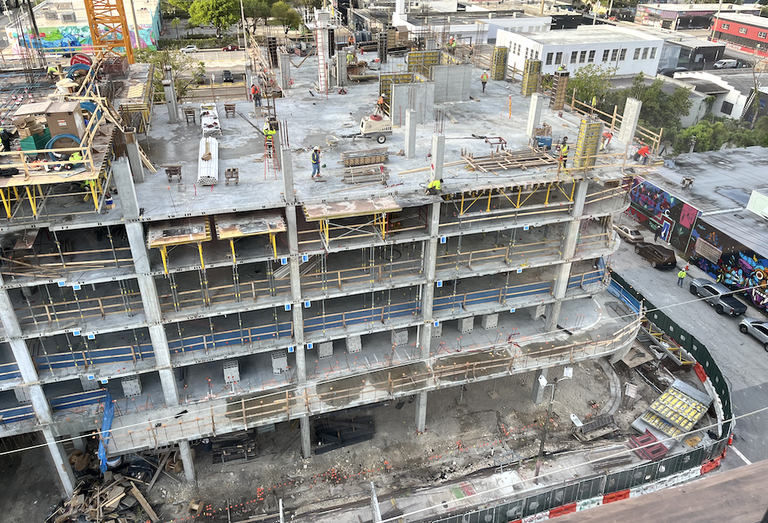
Housing projects backed by the Department of Housing and Urban Development and the Department of Agriculture must go through federal historic preservation and environmental reviews. But the BAAJA bill would exempt them from the historic reviews and streamline the environmental review process.
A coalition of pro-development housing groups, including the National Association of Home Builders, praised these changes in a letter to lawmakers last week, voicing "strong support" for the bill.
"These important housing reforms will streamline costly reviews and reduce delays and burdens in federally assisted housing development and will boost the supply of housing across the spectrum," the letter stated.
The National Multifamily Housing Council supports the bill because it would "speed the use of certain HUD affordable housing development programs which is critically important to meet the nation's need for more housing," it said in a statement.
The nation's housing shortage has worsened in recent years as economic headwinds have slowed new development: A new report from Apartments.com found that apartment construction starts last quarter reached the lowest level since 2012 and were down 63% from their 2022 peak.
The NEPA process has also slowed down transit projects that could serve as catalysts for development, like a 5.6-mile extension of the Red Line in Chicago, which had an 18,000-page environmental impact statement that took more than a decade to prepare. In D.C.'s Maryland suburbs, environmental lawsuits against the new 16-mile Purple Line contributed to years of delays for the project.
The American Public Transportation Association endorsed the bill, saying it "speeds up environmental reviews, sets clear deadlines, and cuts duplicative paperwork while keeping environmental safeguards in place."