Bellevue's a remarkable success story when it comes to growth, and there's more to come, according to the speakers at our Future of Bellevue event recently. But it won't happen without sustained effort, both in the public and private spheres.
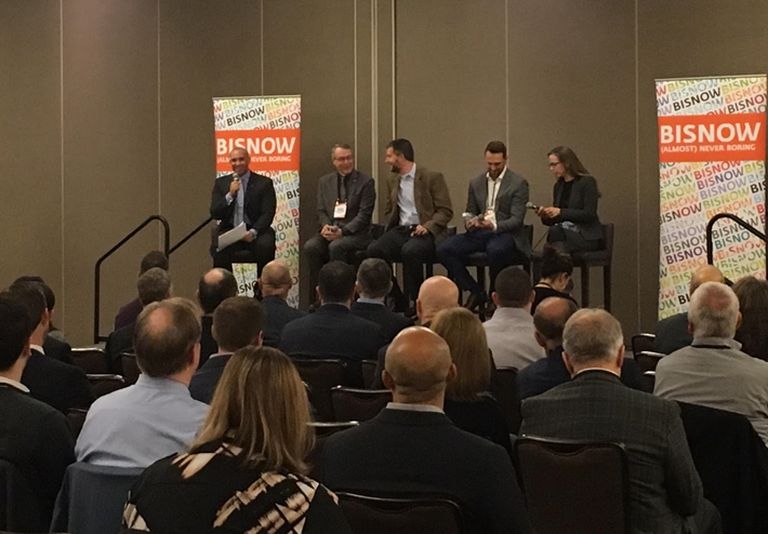
Pictured: John L. Scott managing broker Michael Orbino, who moderated, Kemper Development Co CEO Kemper Freeman, Wallace Properties president and COO Kevin Wallace, West77 Partners CEO Michael Nielson and Compton Design Office founding partner Kay Compton.
By upzoning in areas of Downtown, and bringing residents in, Bellevue has done a good job of remaking itself into a much more livable city with a mix of property uses and residents, our speakers say. The city also now has a solid platform for attracting even more new companies and their talented workers, and a strong public commitment to improving its livability.
Kemper, doyen of the Bellevue development community, stressed the importance of private initiative in the continued development of Bellevue, to complement public efforts. He recalled earlier times when community members pooled their efforts to get things done, such as creating a high-quality school system for Bellevue—one that still attracts people to the area—and founding a hospital when few believed the community could support one.
Challenges remain, however, such as maintaining the city's excellent public safety record and managing future growth by providing the infrastructure necessary to keep the city connected. Also, Bellevue has good public gathering spaces for a city its size, but could use more—walkable public spaces are essential to attracting and retaining residents.
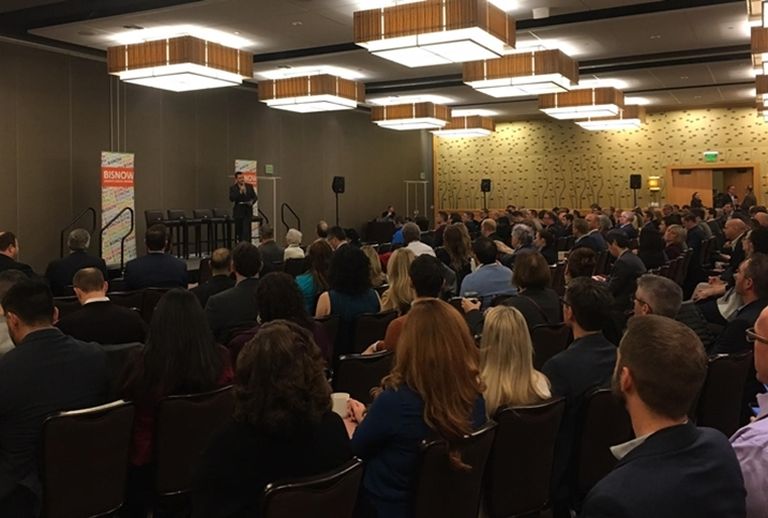
Also speaking at the event: Bellevue Downtown Association president Patrick Bannon, Wright Runstad & Co president Greg Johnson, Talon Private Capital senior investment director Gabe Levin and HOK SVP Steve Morton, who moderated. (And Bisnow's own Tom Woodcock, pictured above.)
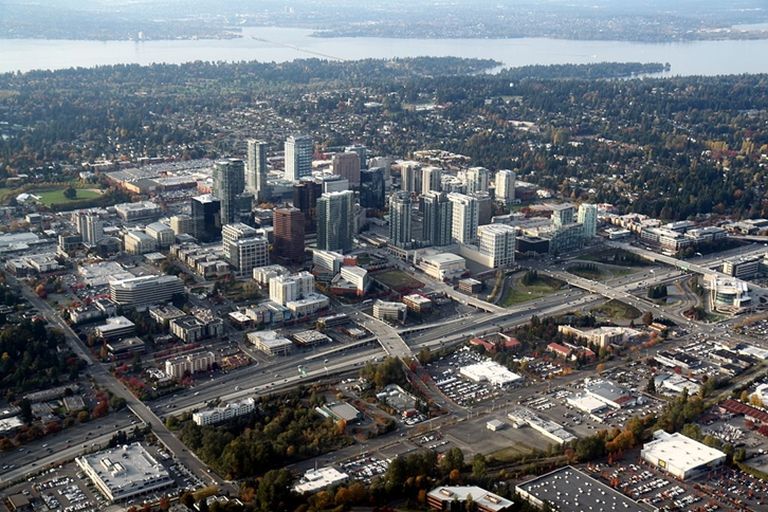
Whatever the larger economy does, increasing demand for office and residential space in Bellevue is already baked in, according to our speakers. For example, the tech industry is growing here as an alternative to other parts of the Puget Sound region. But non-tech is growing as well, including parts of the economy that have proven more resistant to downturns, such as healthcare.
Yet growth here is more than just a function of raw demand. Bellevue is competitive. One of the factors that will continue to attract people to Bellevue is the range of options here, our speakers said. That includes more urban living in Downtown, and more suburban-like areas in other parts of the city (which are nevertheless accessible to Downtown). Within the local office market, there are various styles of space already in place, and a wide range of offerings being developed.