Despite low cap rates in San Francisco, many developers and investors still find the city an ideal place to make their marks. Developers, investors, consultants and economists came together during Bisnow’s recent San Francisco Multifamily Forum at The Fairmont to discuss market conditions and where they see additional opportunities.
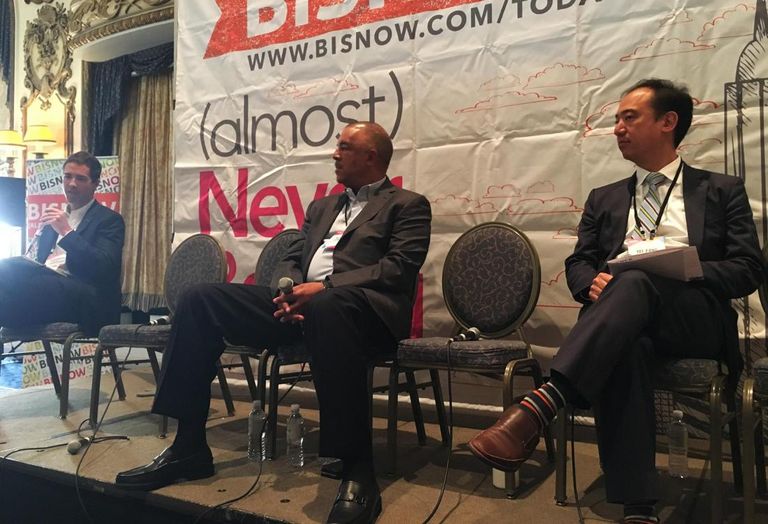
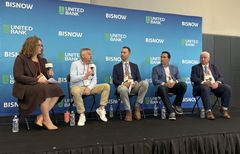
Panelists, above, including Lubin Olson partner and event moderator Alexander Pugh, MacFarlane Partners president Kenneth Lombard and Veritas Investments CEO Yat-Pang Au, told a 200-person crowd about their investment portfolios and how they are reaping the benefits of the current market.

While San Francisco’s market has been hot for several years, a recent slowdown is a concern to some. Axiometrics regional VP John Paul, above, said while San Francisco is still creating the best-paying jobs, job growth is half the rate it was a year ago. The market was the top metro market in 2011 and is now among the worst. On the other hand, housing stock isn't expected to peak until next year. John fully expects a turnaround in San Francisco.
“San Francisco is a very sensitive market,” John said. “But we think it will come back in a big way.”
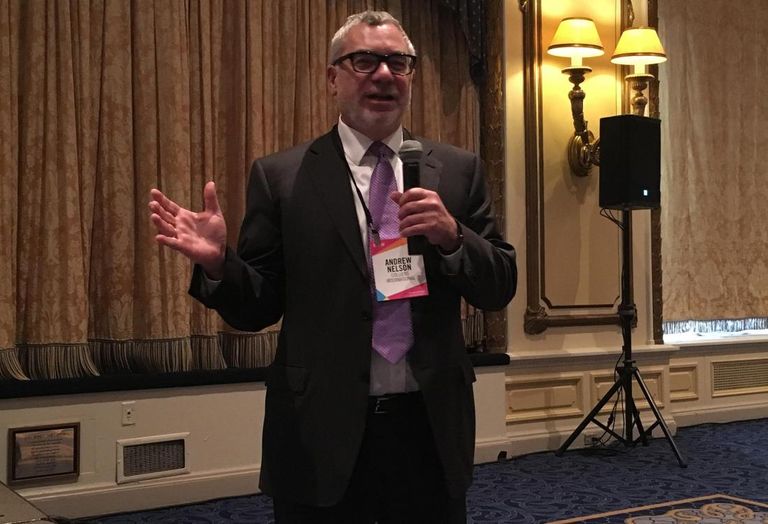
Colliers International chief US economist Andrew Nelson, above, is worried about the recent slowdown and says the market is “as good as it gets.” He said low interest rates, increasing rents and high occupancy are generating a lot of income. Andrew said the market is “not so hot that it would overheat the economy and derail the economy.”
We’re currently in the 83rd month of expansion, according to Andrew. Typical expansions since WWII have been about five years. It’s now been seven years of expansion, and if we continue another five years, the current expansion rate would be the largest in the country’s history.
There will be a little more growth, but Andrew also expects interest rates to go up.
“San Francisco tends to be boom-to-bust, and we think we might just ride this one out with a little bit more moderate growth,” he said.
Investment Prospects Still Exist
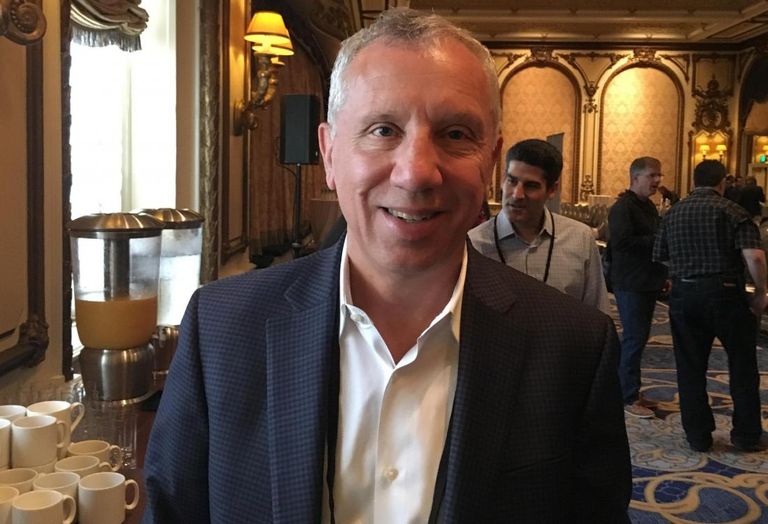
While the market has slowed down a little bit, developers and investors are seeking out new opportunities in the Bay Area and beyond. AvalonBay Communities EVP Steve Wilson, above, said his company sees new deals crop up every week, but the timing isn’t right.
Steve fully expects to move on a couple of deals within the next few months and more opportunities within the next couple of years. While coastal markets have been good to AvalonBay, Steve said the firm continues to look at new markets as well.
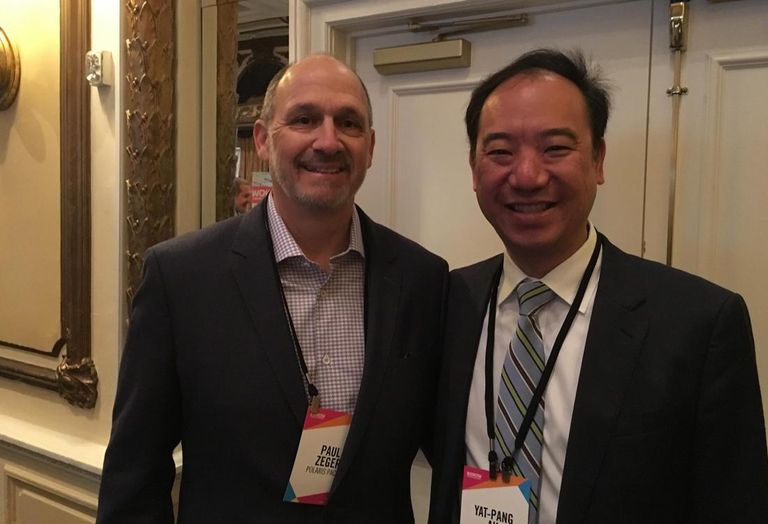
Polaris Pacific partner Paul Zeger, above with Veritas CEO Yat-Pang Au, said he’s seeing a fair number of deals planned as apartments coming out as condos. Construction costs are so high that it becomes more cost effective to turn the apartments into condos instead.
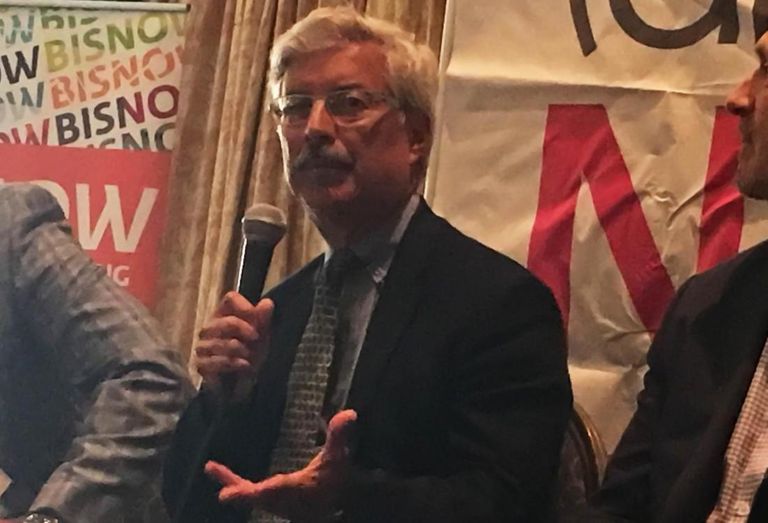
Build Inc president and partner Lou Vasquez, above, expects Western San Francisco to open up, especially since there’s 60- to 70-year-old stock. Southeast San Francisco, which includes his company's India Basin project, will create a brand-new neighborhood.
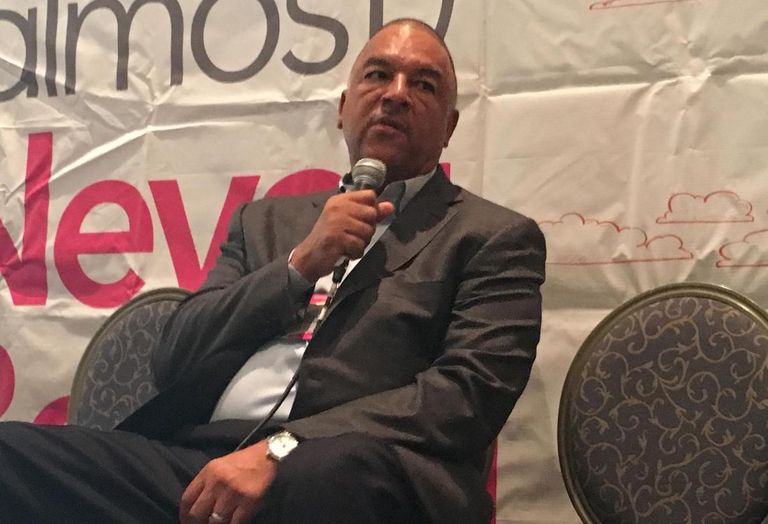
While MacFarlane Partners president Kenneth Lombard, above, said the company has been mostly a seller in San Francisco, it remains opportunistic. He said he recently got a “ridiculous price” on a parcel that he couldn’t turn down.
Veritas Investments CEO Yat-Pang Au, above, said he is still a buyer and is focused on San Francisco. Rent control has benefited his company and almost all of Veritas’ stock in the city is rent-controlled. He said it has allowed Veritas to specialize in acquiring inefficiently owned rent-controlled properties and making them better.
He added overall rent control artificially restricts and reduces supply and doesn’t allow for the natural turnover seen in market-rate environments.
Veritas focuses on reinventing some of the city’s older housing stock. One of the ways it is doing so is through recent Accessory Dwelling Units legislation, which has allowed Veritas to renovate underused parking space, underground space and basements into housing units.
“What I love about it is the opportunity to add additional supply that is very diffused and not concentrated in megacomplexes. It doesn’t displace any existing tenants,” he said.
Amenities Galore
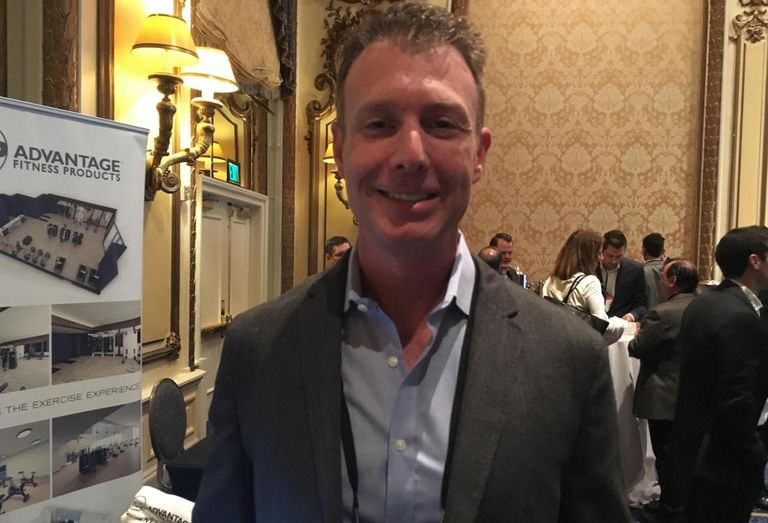
Another way developers and investors are attracting more tenants and creating more value for their buildings is through investing in amenity-rich communities. Fitness Design Group founder and CEO Bryan Green, above, said there's an increased focus on wellness and about 15% to 20% of Americans have a fitness membership. Most developers have a competitive advantage when they add fitness centers.
Residents are more engaged at properties that have a thoughtfully designed fitness facility and stay there longer, he said.
While Veritas’ stock in San Francisco is about 80 years old, Pang said it is adding amenities based on tenant profiles, desires and demands. Veritas recently struck its first partnership with Google Fiber and will be adding the service to five or six buildings by the first quarter of next year. He has worked with August to provide Bluetooth-enabled locks for residents. The locks can also allow for entry of on-demand shared services.
Kenneth said San Francisco continues to be about rooftop amenities, built-in entertainment components, technology-rich amenities and “all the bells and whistles.” He said fitness centers continue to be an important aspect. He also said a lot of communities are focusing on Millennials, but projects shouldn't exclude other groups.
“There needs to be a balance between well-run quality projects and quality housing for every group, no matter the age group,” Kenneth said.