Following a surge in AI-altered listing photos, multifamily owners and brokers are scrambling to prepare for a new generation of disclosure laws designed to protect renters from misleading marketing.
Two artificial intelligence disclosure laws in California and Wisconsin go into effect on Jan. 1, and others are under consideration. A similar measure was introduced earlier this month in Washington, D.C., and other proposals have popped up in New York and New Jersey.
Apartment industry leaders say they support greater transparency around altered photos, but they argue that the requirements could lead to new costs, legal exposure and operational challenges as the sector faces growing scrutiny over rental listings.
“This will come at a cost, and it could be staggering in some cases, for some portfolios,” said Kevin Donnelly, executive director of the Real Estate Technology & Transformation Center. “What’s really needed here is to make sure that we retain disclosure and false advertising protections, but also address the infeasible record production mandate that the law carries.”
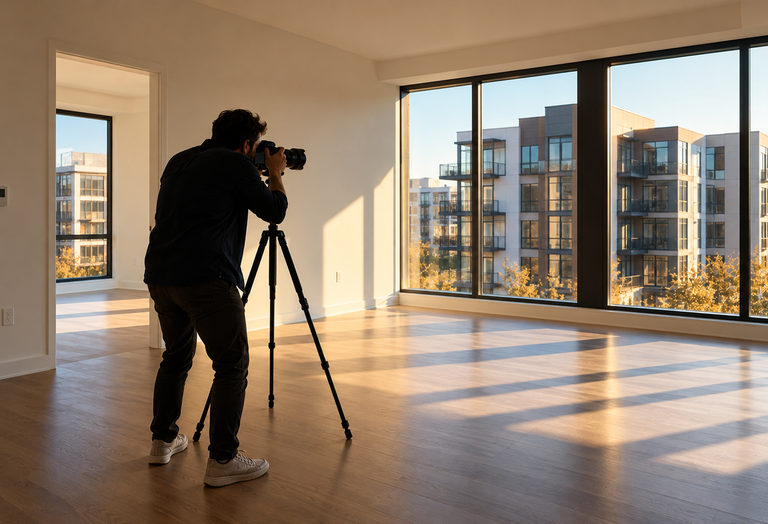
The California law, signed by Gov. Gavin Newsom on Sept. 27, requires any photo in a listing that uses altered images to be marked accordingly and to include the original, unaltered image for consumer comparison.
Donnelly estimates that “thousands” of apartment communities in California alone would need new photography to comply with the law, and many have yet to update their listings.
“The devil is in the details,” Donnelly said, adding that the cost of updating photos could divert money from operational budgets for many apartments and ultimately cost renters. He’s heard estimates as high as thousands of dollars per property.
The photography issue reflects wider pressures surrounding apartment listings, including increased regulatory scrutiny of rental fee disclosures and the challenge of maintaining consistent pricing and fee information across a fragmented landscape of rental websites and platforms.
The proliferation of additional costs, and new imagery, is creating what some have called a Ticketmaster effect, where more complicated pricing has led to calls for more and better disclosure. Owners and managers are being pushed to be much more transparent at a time when some of the platforms use outdated technology.
Outdated tech and a time crunch for understaffed property management teams can make it hard to keep listings consistent, according to Anthony Paganucci, CEO of Brynson, a software company that helps owners update and synchronize their listings.
Owners still run into issues with listings that don’t conform to the Americans with Disabilities Act or Fair Housing Laws, he said.
Donnelly points to the industry’s work with the Multifamily Information Transaction Standards data model, created by the National Multifamily Housing Council, to make it easier and more seamless to share updated rental fee information across platforms.
“There’s an expectation that more information is presented in the marketing process,” said Jay Harris, a partner at Hudson Cook who works on compliance and legal issues for the multifamily industry.
Marketing apartments is more digital than ever, with landlords and tenants both adopting virtual tours and 3D photography during the pandemic, then continuing the practice for convenience or cost-saving purposes.

And as with most professional photography, apartment shoots typically involve altered lighting, staged rooms or retouching.
But policing the rise of AI and its use in listings adds a layer of complication that undermines some of the benefits of online apartment marketing.
The big complaint against these images is that they can waste consumer time during the apartment search, luring them to a unit that doesn’t live up to its online appearance.
There is the occasional horror story of a tenant leasing sight unseen and feeling tricked, according to Jonas Bordo, co-founder and CEO of Dwellsy.com, a rental listings site. About 8% of leasing still happens remotely, without a tenant setting foot in a unit beforehand.
Nobody really keeps original photography, he said, and most platforms don’t have any rules about AI-generated imagery. With the high cost of reshooting before Jan. 1, Bordo imagines many listings won’t be updated and expects some degree of legal action and lawsuits to come from potential plaintiffs seeing this as an opportunity.
“Fundamentally, this won’t benefit anybody except the photographers,” he said.
Bordo has nicknamed the act the “Real Estate Photographer Full Employment Act,” due to the expected volume of photo shoots that owners may book in the coming months.
In markets with a higher percentage of older buildings, landlords are less likely to have full photo records, he said. In California, nearly half of the state’s apartment stock was built before 1980, and roughly 20% were built before 1960.
Many clients in California who have acquired property and advertising images that have been altered don’t have access to the original and worry about the “pretty substantial cost to reshoot the ads,” Harris said.
“The owner of a Class-B property, who has had the apartment for the last decade, didn’t budget for a sudden reshoot in the next 60 days,” he said.
The penalty for a single violation under California’s new law is a misdemeanor. But repeat violations may open owners and brokers to claims of misrepresentation and liability as a licensed entity in California, Harris said. Egregious violations could lead to civil and criminal penalties.

California passed a similar law for single-family homes that went into effect Jan. 1, 2026. Owners and industry groups have been expecting, and asking for, guidance from the state’s Department of Real Estate about both laws to help clarify the application of the rules.
Landlords and property managers are primarily seeking information around a potential grace period for owners who properly label altered images while they figure out how to provide originals, Donnelly said.
“DRE takes all violations seriously and remains committed to putting consumer protection first,” Assistant Commissioner Christina Jimenez said.
“They need to make sure that they keep in mind that disclosure is certainly a laudable goal and something we can support,” said Donnelly regarding the DRE, “but the law doesn't make a historical image reappear.”
Donnelly would like some kind of grace period or safe harbor after Jan. 1 to help more owners and operators update their listings and imagery.
Some owners don’t see these shifts being as costly as others have made it out to be. James Goody, a managing partner at Oak 21 Real Estate, said that in the interest of transparency, some of the property owners he works with — who don’t have property in California — simply discussed using AI itself to go through existing images to add a watermark that notes that they’re digitally altered.
But Bordo ultimately argues that this should be a self-policing issue. Landlords who doctor their listing photos harm themselves more than anything by violating trust and losing out on rentals, he said. Landlords using AI in an egregious manner shoot themselves in the foot.
Laws already exist around false advertising and misleading business practices, but this crop of laws gets much more technical and detailed around the use of altered photography.
But proponents of apartment-specific AI imagery bills say the veracity of listing photos shouldn’t be left to landlords alone.
“You shouldn’t have to worry whether or not the apartment you’re viewing online is real,” NYC Mayor Zohran Mamdani said at a July event announcing a package of policies aimed at strengthening tenant protections, including an AI imagery proposal.
Harris compared it to the emerging slate of rules that, for instance, require disclosures to customers to let them know the customer service representative they are talking with is a chatbot and not a human. New AI tech is inviting additional disclosures.
“Seamless connectivity and a focus on transparency and visibility is something that we are comfortable with,” Donnelly said. “We just need policymakers to rightsize their expectations in timelines to ensure that the industry can comply.”