Under pressure from Sacramento to comply with the state’s Housing Element Law, which requires cities to provide housing affordable to all income groups, the Encinitas City Council held a special meeting Feb. 6 with community members to initiate a process for negotiating a solution. The council voted unanimously to create a Housing Element task force consisting of Mayor Catherine Blakespear, Deputy Mayor Tony Kranz, former planning commissioner Kurt Groseclose and “No on T” spokesperson Bruce Ehlers, reports the San Diego Union-Tribune.
The city's voters rejected Measure T by a vote count of 15,000 to 4,000 in November. The ballot initiative would have allowed a minimal 1,100 affordable housing units to bring the city into compliance with the law. Encinitas, an affluent coastal community, is the only city in San Diego County without a Housing Element, which describes how a city plans to rework its zoning to accommodate future housing needs, especially those of low-income residents.
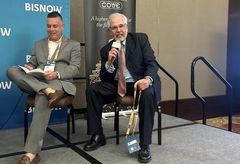
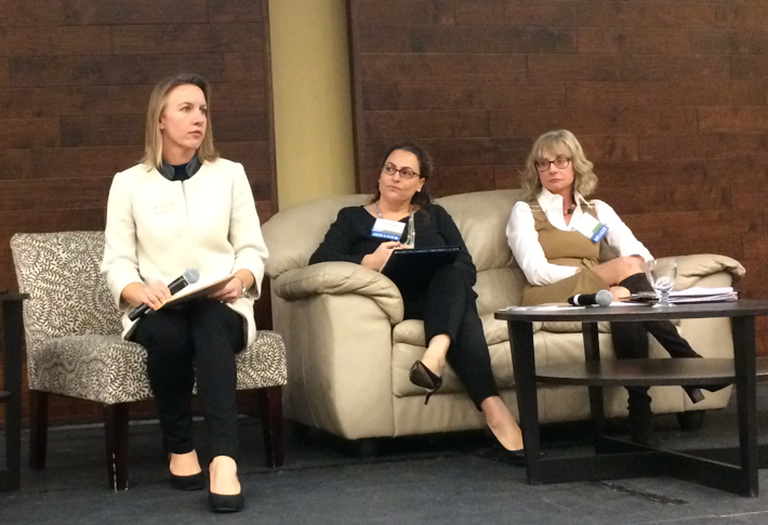
Last week at a San Diego/Tijuana Urban Land Institute forum to discuss solutions to the region's housing affordability crisis, Blakespear said her city is a NIMBY stronghold. “The city wants more housing that’s affordable, not more expensive condos. But the people in Encinitas don’t care about California’s housing crisis, they care about what affects them — ‘traffic-ism.’” The city hired a high-priced legal adviser prior to the election to educate residents about this issue, but that was a double-edged sword, she said. “Just the mention of density bonus makes people in Encinitas blow up.”
Blakespear, who is a lawyer, said the zoning plan update is necessary to avoid more lawsuits. Encinitas is embroiled in lawsuits with a local developer and the Building Industry Association for allegedly mishandling of the state Density Bonus program, rounding down calculations to limit number of units allowed. The city’s zoning plan hasn’t been updated since it was created in the 1990s.
Longtime resident Bob Bonde, "The Father of Encinitas," asked the council to consider using accessory units (guesthouses or granny flats) to fulfill the low-income housing requirement. He encouraged the council to work with the California Department of Housing and Community Development to develop a state-compliant plan acceptable to residents. Bonde suggested HCD may allow Encinitas to conduct a supply-side study to determine if an excess of market-rate accessory units would produce the required number of low-income rental units.