Colorado Group Plans To Buy Revel Casino For $200M, Renovate, Reopen In 2018

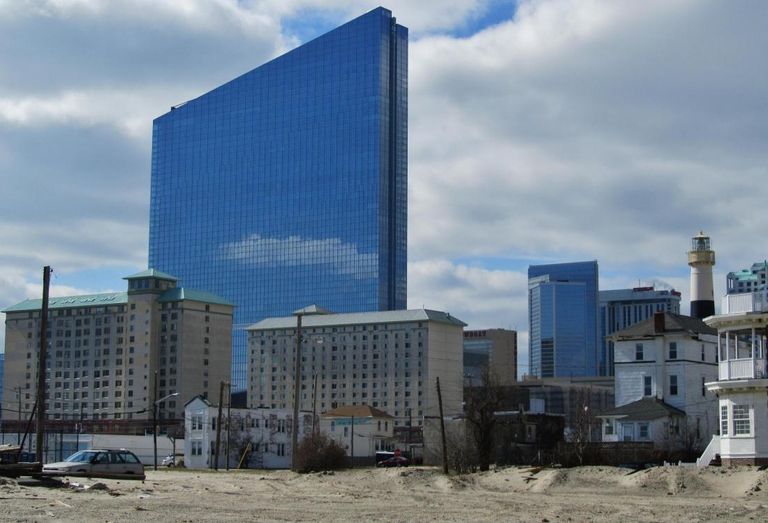
Revel Casino In Atlantic City As Of March 2013.

Atlantic City's former Revel casino is on the cusp of a second revival.

A group of investors, led by Colorado-based Mile High Dice, formed the company AC Ocean Walk to purchase the casino and hotel for $200M, according to a Moody's analysis reported by NJ.com. The group also plans to invest $175M in renovating the building, which was initially constructed for $2.6B in 2012, and hopes to reopen in May.

Revel fell into foreclosure and was shuttered in 2014, before developer Glenn Straub purchased it for $82M in 2015. Straub rebranded the building as TEN but his reluctance to reapply for a casino license due to cost concerns prevented any movement on a comeback and prompted Gov. Chris Christie to ask him to sell in April.

TEN contains 2,000 slot machines, 100 gaming tables, 13 restaurants, multiple pools, a spa and 1,399 hotel rooms. It is Atlantic City's tallest building and the second-tallest casino in the U.S.
Continue reading this story with a free account

Log in or register
Sign up for more articles like this
Subscribe to Bisnow's Philadelphia Newsletters
Related Stories

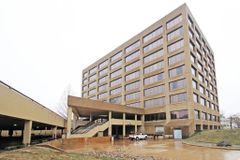
Tenant Departure Leaves Beleaguered Broad Street Office Over Half-Vacant

U.S. Hotel RevPAR Surges 7% In Q3, But Expect Easing From Here

Penta And Staycity Team Up For £230M Farringdon Aparthotel

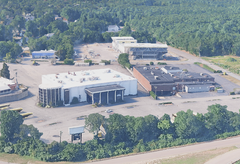
Former Randolph Event Venue Planned For 200-Room Hotel, Theater

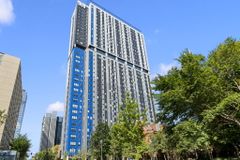
New Student Housing Towers Lease Up Quickly In University City, But Developers Can't Build More

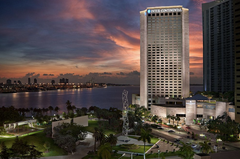
Gencom-Led Partnership Acquires InterContinental Hotel In Downtown Miami

Voorhees Greenlights 178-Unit Office-To-Resi Conversion Amid Multifamily Boom

4,500-Acre Data Center District Approved In Pennsylvania Town

Affordable Housing Giant Starts $180M Philly Push: The Philadelphia Deal Sheet

'It's A 2-Way Street': Philly Hospital CEOs Seek Cost Savings From Architects, Builders

Tenant Rep Firm Expands To Philly, Hires Industry Veteran

South Jersey Affordable Housing Developers Blame State 'Overregulation' For Constricted Supply