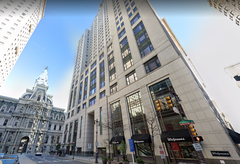
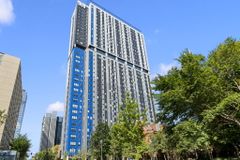
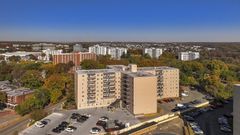
| Money’s flowing like wine for buying, building, and rebuilding Philadelphia multifamily properties—but is that a good thing? Mostly it is, according to both panels at Bisnow’s Philadelphia Multifamily Summit last week—because things are a little different than the mid-2000s condo boom (which we have to say, didn't end well). |
| The capital markets panel, moderated by Ballard Spahr partner Dominic De Simone (right), concluded that Fannie and Freddie are still very important in multifamily finance, but regional banks are offering increasingly competitive terms, and even CMBS is making a comeback. (Two years ago even hinting at CMBS would get you kicked out of a bar.) CMBS apartment deals are now around 4% for 10-year financing, which is only 10 to 15 bps higher than the GSEs. Life companies are still generally the lowest-cost providers, at around 3% for 60% leverage, but they only seem interested in properties “on the corner of Main and Main.” Panelists included Marcus & Millichap’s Kristopher Wood, Beech Street Capital’s Brian Sykes, JLL’s Erin Miller, and Federal Capital Partners’ Lacy Rice. |
| The panel also talked about how debt markets are helping make Philadelphia multifamily an attractive investment option, thus keeping the deal volume flowing. So far this year, there’s been about $530M in total multifamily sales, compared with $470M this time last year, about a 13% increase, fueled by cheap debt. Also, core markets nationwide are seeing cap rate compression, and as investors are being priced out of those markets, demand for properties in secondary markets such as Philadelphia increases. For the foreseeable future, interest rates will remain low, but “crazy underwriting" isn’t making a comeback. |
| Occupancies in many Philadelphia apartment properties might be in the mid-90s, but the owner-developer panel, moderated by McGladrey partner Beryl Simonson (right), wondered where the tenants will come from as the stock of rental properties expands. After all, there hasn’t been much job growth in the metro area in recent years, nor have incomes grown much. One suggestion: the upcoming generation isn’t going to be as keen to own housing as early in their lives as their elders. (The Millenials will live in a paper bag as long as it has Wi-Fi.) Panelists included Dranoff Properties Carl Dranoff, Madison Apartment Group’s Joseph Mullen, Post Brothers Apartments Matthew Pestronk, and Morgan Properties Mitchell Morgan. |
| Despite the strength of the apartment market, “bubble” was a concept that came up more than once. The panel didn’t agree on how much risk metro Philadelphia apartments will see from a future excess of supply. But it was pointed out that, eventually, Class-A properties might be more at risk because their occupants are more likely to have the wherewithal to leave en masse. (Imagine: an army of upper-middle class renters marching out of the city into the suburbs.) Still, multifamily rental is by far the best property type to develop in the metro area, though developers need to be a bit cautious, and take the “what ifs” into account: What if there’s another recession? No new jobs? Overbuilding? |
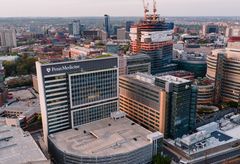
| All that said, optimism was the order of the day. The panels touched on the remarkable transformation of downtown Philadelphia. All the drivers are in place: downtown has become cleaner, safer, greener—so there’s more reason to live there. Population is growing in Center City, and household formation is getting later. "Eds and meds” are creating jobs. Thus there’s been dynamic rent growth in the market, and while that might moderate somewhat, the outlook is still good for all classes of apartments. |
Multifamily Monday: Not a Bubble
Continue reading this story with a free account
Log in or register
Related Topics:
Ballard Spahr
, Beech Street Capital
, Brian Sykes
, Carl Dranoff
, Dominic De Simone
, Dranoff Properties
, Erin Miller
, Federal Capital Partners
, Lacy Rice
, Madison Apartment Group
, Morgan Properties