Should operating retail locations pay similar property taxes as closed ones? That question is at the heart of a trend — or perhaps a purposeful move on the part of major retailers — called "dark store theory."
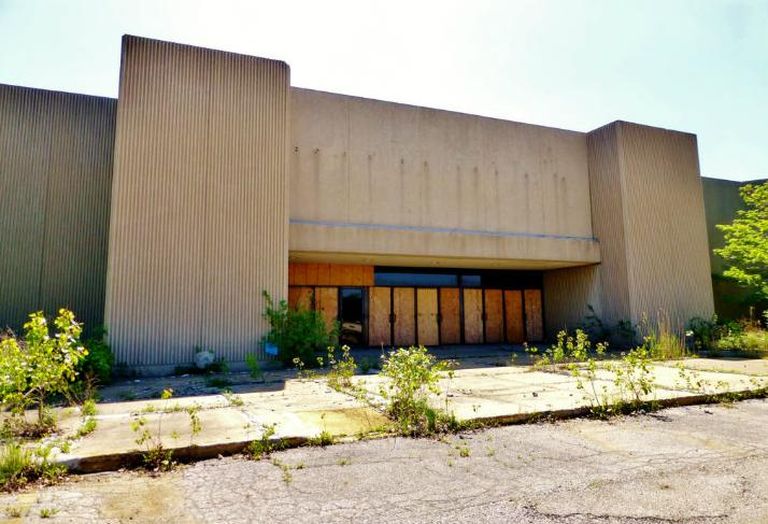
Dark store theory concerns the taxation of big-box stores, department stores and other outlets typically measuring 50K SF or more. The theory, mostly championed by retailers, suggests that commercial properties should be appraised and valued the same whether they are operating or shuttered, the Comptroller of the State of Texas reports.
Put simply, a retail location is always at risk of becoming practically worthless, since the locations tend to be very difficult to lease again or sell, so it ought to be taxed with that in mind. If property tax is assessed using comparables, the argument goes, dark stores ought to be part of that calculation for all retail locations, which would bring taxes down for those stores that are doing well.
Such a valuation approach, if widely adopted, could cost communities substantial amounts of tax revenue, according to the Comptroller. Texas' Bexar County, for instance, has said its schools could lose hundreds of millions of dollars if dark store theory becomes accepted.
Also potentially at risk in other jurisdictions is funding for police officers, firefighters and other municipal services.
Retailers are pursuing dark store theory in various states in one property tax appeal after another, trying to compel small-town assessors and high-court judges to accept the idea, City Lab reports.
An International Association of Assessing Officers survey found that dark store theory appeals have been filed in at least 21 states over the past decade. In response, a handful of states, including Michigan, Wisconsin and Indiana, have passed or proposed legislation to stop the practice.
"Why should big-box retail be valued differently than every other class of commercial, residential or industrial improved property?" Muskegon County [Michigan] Equalization Director Donna VanderVries said in an interview by Fair + Equitable, IAAO's publication.
"This theory artificially devalues properties, and the additional concern is that once applied to these big-box retail properties, there is no logical end to prohibit its application to other property types."
The practice has its defenders besides retailers.
Minneapolis-based Fredrikson & Byron's Judy Engel and Lynn Linné, two tax attorneys, wrote in Bloomberg that the argument against the approach comes from "activist assessors and appraisers in an attempt to tax big box retail stores based on above-market built-to-suit leases as opposed to their fee simple fair market values in order to increase local tax bases."
Engel and Linné argue that retailers are simply pursuing generally accepted appraisal practices in which taxes are levied against real property in a uniform manner.