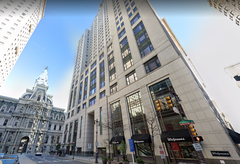
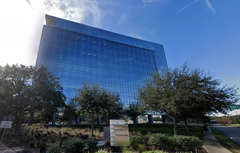
Eight buildings totaling 1.5M SF are on the federal government’s chopping block.
The General Services Administration identified a new slate of properties across seven states and D.C. that it wants to dispose of as part of its portfolio reduction efforts, it announced Wednesday. It said offloading the properties would save taxpayers more than $475M over 10 years.
“The actions we’re announcing today demonstrate our commitment to accelerating the disposition of federal buildings that don’t use taxpayer dollars effectively — and the opportunity to do even more with full access to the Federal Buildings Fund,” GSA Administrator Robin Carnahan said in a news release.
The properties are:
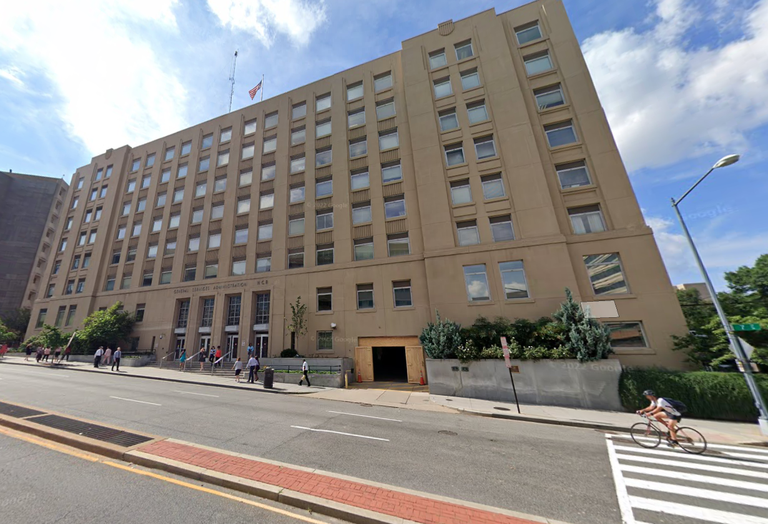
301 Seventh St. SW, Washington, D.C.
Brickell Plaza Building, Miami
Charles A. Halleck Federal Building, Lafayette, Indiana
Bismark Federal Building, Bismarck, North Dakota
James V. Hansen Federal Building, Ogden, Utah
Gus J. Solomon U.S. Courthouse, Portland, Oregon
Richard B. Anderson Federal Building, Port Angeles, Washington
Montpelier Federal Building, Montpelier, Vermont
The dispositions can come in the form of sales, exchanges or transfers.
The D.C. property, called the Regional Office Building, is 845K SF and was built in 1933. The GSA halted its plans to relocate the Federal Emergency Management Agency to the property, the Washington Business Journal reported this summer.
The GSA will work with the government agencies affected to budget and plan for their relocation and will engage with local communities and officials to ensure the properties are put back into productive use in their next life, the release says. The GSA also continues to seek out the properties that would be best for residential conversions.
“Moving underutilized and underperforming assets out of the building portfolio allows us to tailor a smaller federal footprint with modern and optimized buildings, which will lead to better buildings,” GSA Public Buildings Commissioner Elliot Doomes said. “GSA’s robust process includes ongoing dialogue with stakeholders to help maximize the benefits of these buildings’ futures, resulting in stronger communities.”
The GSA has had initiatives for more than a decade to reduce the government’s leased and owned footprint. Over the last decade, it has offloaded nearly 11M SF of federally owned office space and reduced its leased footprint by nearly 18M SF, according to the release.
But those efforts have accelerated in light of pandemic-era changes to the way the federal government works.
This spring, the GSA said it planned to dispose of its World War I-era Liberty Loan Building near D.C.’s Tidal Basin, as well as properties in Atlanta and Oak Ridge, Tennessee.
Last November, it announced plans to dispose of nearly two dozen buildings totaling 3.5M SF. One of those, an 1880s-era school in D.C., is up for public auction, which was in a soft close with the highest bid at $3.5M as of 6 p.m. Wednesday.
Those recent efforts combined with the slate of dispositions announced Wednesday total more than 6M SF of disposition potential, the GSA said.