The drive to get the American population vaccinated against the coronavirus quickly turned into a political minefield, and some companies are keeping their employees at home to avoid a blowup.
Citigroup, the third-largest bank in the U.S., is requiring employees in New York and New Jersey to get vaccinated and return to in-person work for part of the week by mid-September but hasn't made plans to open offices in Texas, Missouri and Kentucky, Bloomberg reports.
Goldman Sachs called its workers back to the office in June, but as the delta variant swept across the country, it implemented a policy to require vaccinations at its offices. It will allow unvaccinated employees to work remotely starting on Sept. 7, Bloomberg reports. Bank of America is similarly bringing its vaccinated workers back to the office but has not made public any plans to either require vaccinations or allow unvaccinated employees to resume in-person work.
Wells Fargo is encouraging but not requiring its employees to get vaccinated while delaying a plan for a mass post-Labor Day return to the office until at least October, Bloomberg reports. JPMorgan Chase has stood out as an exception in terms of vaccine policy, requiring its workers to report to the office without mandating that they disclose their vaccination status.
While the Food and Drug Administration granting full approval of the Pfizer-BioNTech vaccine, now branded as Comirnaty, gave many employers and governing bodies cover to require their workers to get vaccinated, slightly more than half of companies in an August survey by Willis Towers Watson reported planning to institute such a requirement. As vaccines began to be distributed widely in March, that number was as high as 90%.
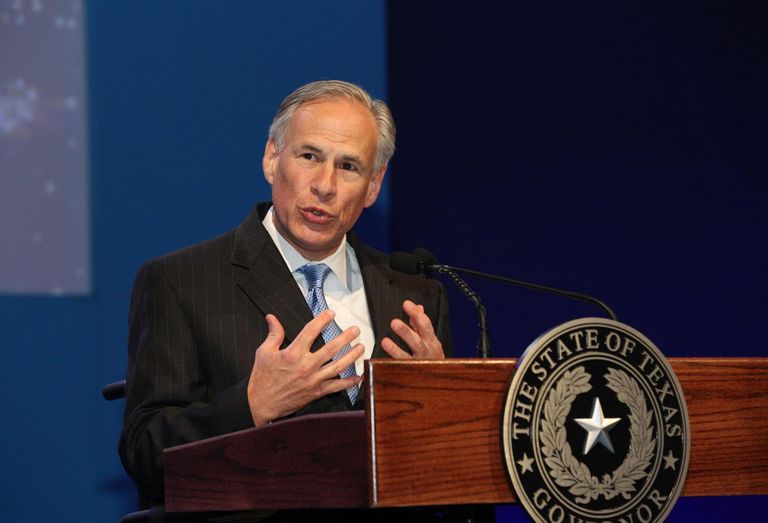
The rationale behind the uneven application of vaccine requirements could come down to an unwillingness to get into a public feud with state governments like Texas, Missouri, Kentucky and other states that either have implemented or considered bans on local vaccine mandates, Bloomberg reports.
To the extent that attempts from companies to both maintain the safety of their offices and cater to employees who refuse vaccination keep a portion of workers from returning to offices, the negative economic effects of remote work will continue to be felt by employment centers, especially as the delta variant exerts influence on the return-to-office question.