:no_upscale():quality(75))
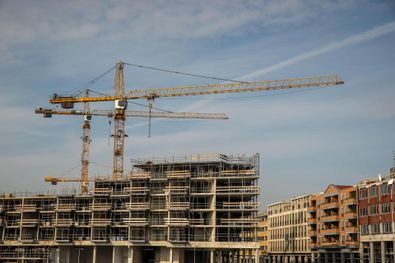
Commercial real estate construction starts across the board are expected to slow by 13% in 2023.
That estimate from Dodge Construction Network, adjusted for inflation, predicts that commercial construction overall “will feel recessionary” this year. Dodge Chief Economist Richard Branch told Construction Dive that the worst of the decreased construction demand will be “isolated” but will include retail, traditional offices and hotel projects.
New manufacturing construction was a bright spot in the forecast. The sector was on a tear in 2022, bolstered by onshoring efforts and recent legislation, including the $52B CHIPS Act, to build products like microchips and batteries for electric vehicles. The spend will slow in 2023 but is still anticipated to bring in a record $51.2B — the second-highest amount spent to build new projects in the sector in the last three decades.
“I do think this is a real game-changer in terms of stabilizing the construction sector in 2023,” Branch told CD.
Dodge expects hotel construction starts, most of them for luxury projects, to hit $12.2B in 2023, which would be a 3% increase from 2022. That figure is still more than 30% below 2019 starts, according to Dodge.
Retail starts will also slow. Dodge said that retail construction is linked to single-family home construction, which has slowed notably across the country. Retail starts are expected to hit $20.2B in 2023 — a 4% increase in absolute dollars but a decrease when adjusted for inflation. Unless residential construction picks up, new retail construction is anticipated to lag.
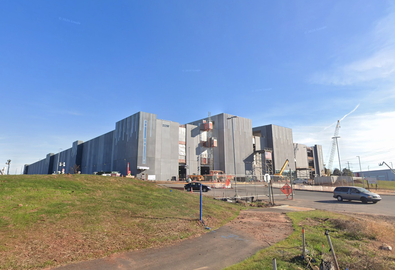
Data centers are included in the office sector in Dodge’s research, giving the numbers for that property type, which is expected to see starts hit $48.8B, a generous boost to just a 1% drop from 2022.
Warehouse construction starts will drop off most significantly, Dodge Construction Network said. New warehouse construction is expected to drop 10% over the previous year to $51.3B. Leasing in that sector has already decreased noticeably, and sublease space is on the rise. However, 2022 was a peak year, and even with the slowdown, the spend will still remain above pre-pandemic levels.