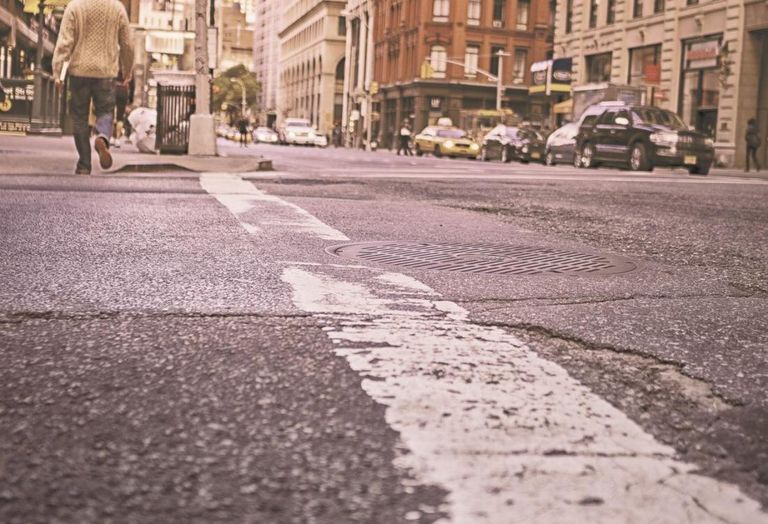
Americans are backing away from car ownership and developers are rethinking parking needs for projects. To help understand this trend, Redfin put together the latest Walk Score rankings on the largest U.S. cities that best support life without a car. The study ranks American cities with populations greater than 300,000 according to how well residents can get around town by foot, bike and public transit. Bisnow took a closer look at the top six.
1. San Francisco
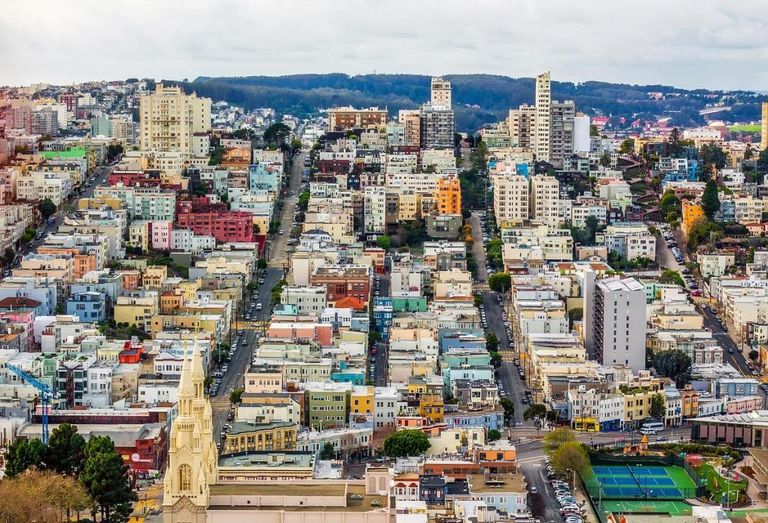
Despite coming in second in all three categories, San Francisco received the highest overall score. It is not surprising the city accommodates car-free life so well considering a parking space typically adds about $300k to the price of a home, and Millennials can't afford to buy homes here anyway. Most new residents are not bringing cars with them when they move — between 2000 and 2012, 88% of the city's new households did not own a car.
2. New York City
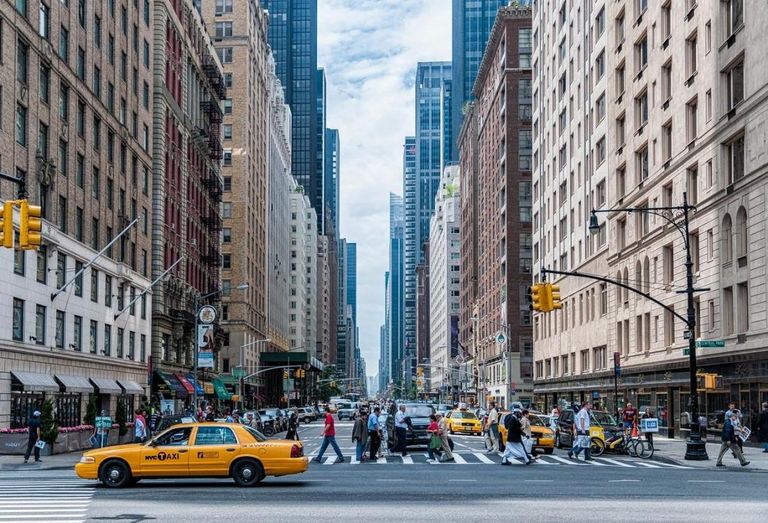
The only thing holding NYC down is bike accessibility when it comes to the Walk Score. The city came in first for walkability and public transit; 56% of NYC households do not own cars. It only managed seventh for its bike score despite recent bike-share programs. On the subway side, the fabled Second Avenue Subway opened the first phase of its new line last month. Officially under consideration since 1919, the line promises to disrupt East Side neighborhoods and help make NYC even more accessible.
3. Boston
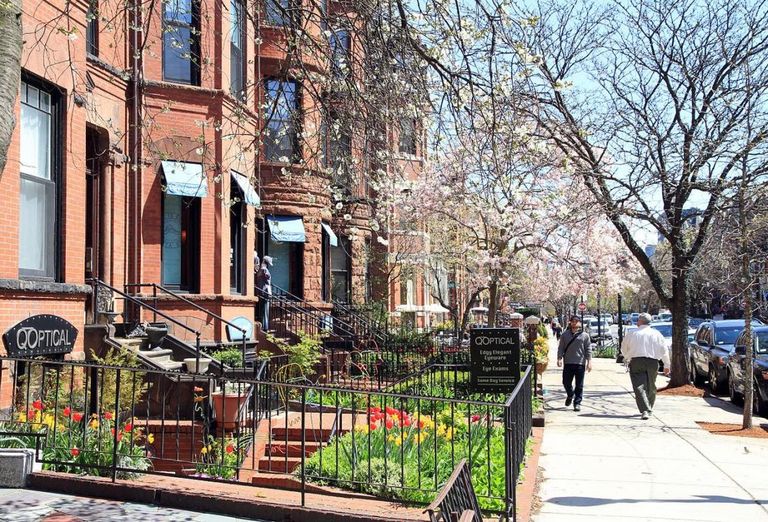
In Boston, 37% of households are car-free, putting the city behind only NYC and Washington, DC, in the percentage of households that shun car ownership. The city is friendly to bikers, has strong public transportation, and 46% of new developments in the city are in walkable places. Considering the nightmare of driving in Boston, it is no wonder so many residents opt to walk.
4. Washington, DC
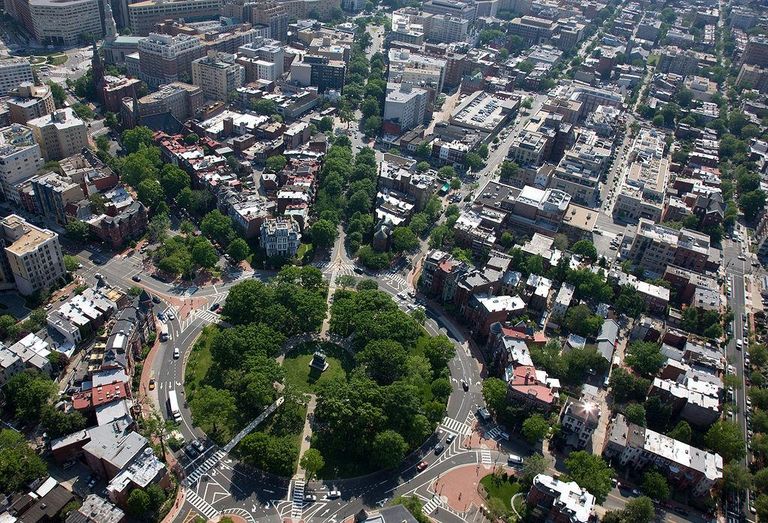
Boasting the second-highest car-free rate in the U.S., 38% of Washington, DC, households do not own a car. The city has several walkable neighborhoods, including Dupont Circle, Georgetown and Chinatown, and two more are under development using the woonerf, a European-style shared-street concept. A woonerf lets drivers, pedestrians and cyclists share the same space by rethinking street design, a strategy that is likely to become more prominent as cars fade in importance. In addition to the woonerf, DC's Metro system successfully connects the urban center with city suburbs.
5. Philadelphia
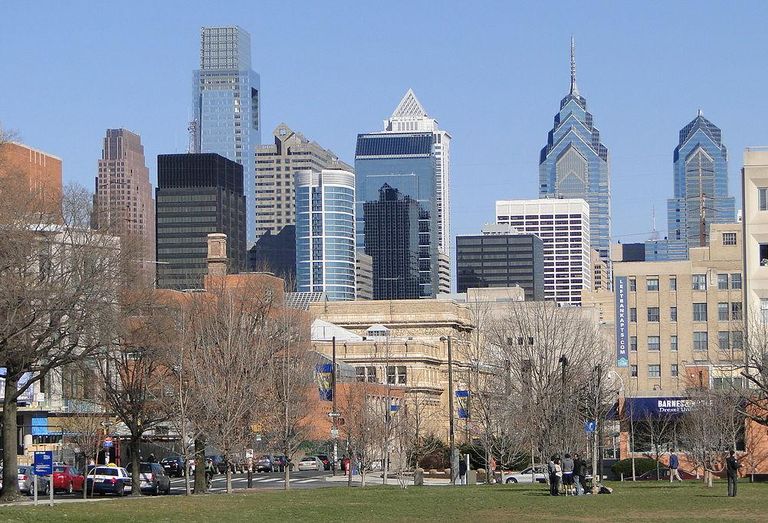
Considered one of the top cities in the U.S. for bike commuters, Philadelphia is becoming more walkable by the day as developers focus on projects that fit a car-free lifestyle. The city ranked first in the nation for walkable construction, with 91% of new homes scoring a higher Walk Score than the city average. Millennials are flooding into Philadelphia, impacting every aspect of real estate and pushing the city's emphasis on walkability.
6. Chicago
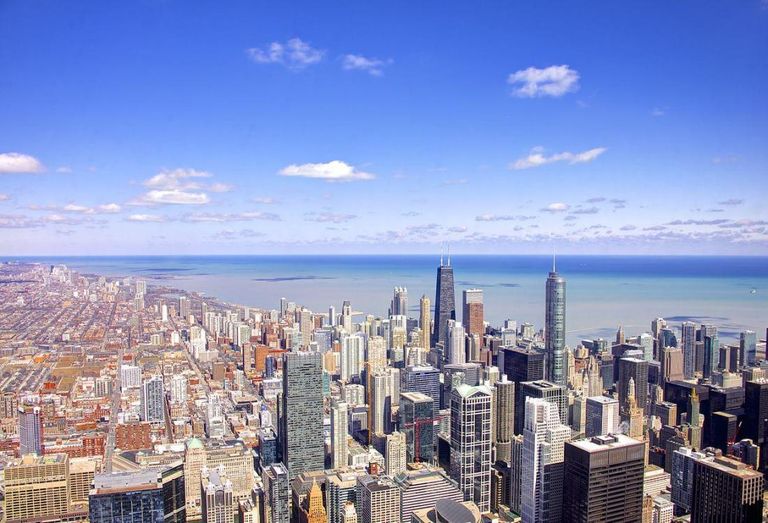
In Chicago, 28% of households do not own a car, a stat made possible by the city's popular Divvy bike-share program and strong public transit. Yet some neighborhoods are more walkable than others, and it is easier to be car-free in Lincoln Park, South Loop and River North than elsewhere in the city.