Climate change, especially in the form of increasingly severe weather, poses serious risk to the real estate industry, which doesn't have a clear strategy yet to deal with it, the Urban Land Institute said in a new report.
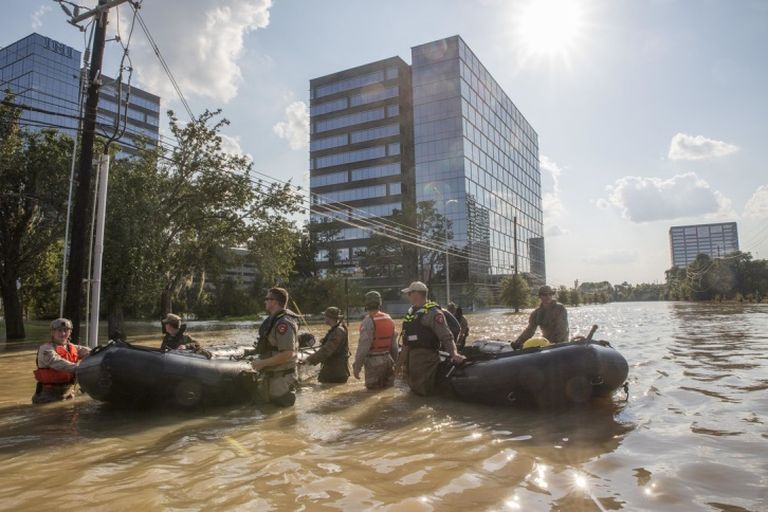
The risk is enormous. According to the report, more than 24% of the National Council of Real Estate Investment Fiduciaries Property Index value in the United States is in metropolitan areas whose central cities are among the 10% of cities most exposed to sea-level rise, amounting to more than $130B of real estate.
The risks are of concern to short-term real estate holders as well as those with longer investment horizons. Climate risk may become more important to shorter-term investors as they consider their prospects for successfully exiting an investment, the report said.
The risk to real estate valuation posed by climate change comes in two broad categories, said the report, which was put together by ULI and investor Heitman.
There will be physical risks associated with a hotter climate, mainly from such events as hurricanes or rising sea levels, which will directly damage real estate assets.
There will also be what the report calls transitional risks, which involve the political and social responses to climate change. These responses will probably mean that some places, even entire metro areas, will become less desirable, which could impair the value of properties in those places.
So far, real estate owners and managers are mitigating climate risk mainly through insurance, which still can provide coverage for catastrophic events (though sometimes at a higher price than previously).
Yet owners also acknowledge that insurance isn't going to provide effective protection against the risk of devaluation as climate change makes some parts of the country, and indeed many parts of the world, less safe or desirable.
Less clear is what else to do about climate risk.
Muddying the waters even more is that to some developers, climate risk is still too abstract to deter their investments in commercial properties along the coasts, which are especially vulnerable as sea levels rise.
Still, some real estate owners and managers are beginning to take further steps to protect their properties.
According to ULI and Heitman, a small but growing number in the industry are exploring a variety of strategies, such as mapping physical risk for current portfolios, incorporating climate risk into due diligence and engaging with policymakers on city-level resilience strategies.
The report also noted that developers and owners can play an important role in helping the investment community improve at factoring in climate risk. That has started with information gathering and raising awareness, but in the future, dealing with climate risk will have to be more sophisticated.