Two of the nation's largest big-box stores are taking a cue from online retailers, and their attempts to increase profit share could readjust real estate footprints if the new strategies pan out.
:no_upscale():quality(75))
Walmart hopes to decrease the time between an online order and its delivery to customers by opening “dark stores,” while Target is experimenting with shipping directly to consumers from the factory, bypassing warehouses altogether.
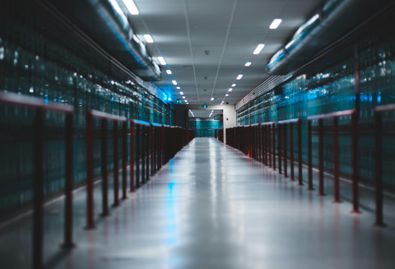
Walmart already operates one dark store in Dallas that stocks many of its most popular items but isn't open to the public, Bloomberg reported. Instead, it is used as an order fulfillment center that allows the company to increase the speed of its deliveries. A second dark store is planned for its home base of Bentonville, Arkansas, and the chain is looking at more locations.
“The popularity of expedited delivery has resulted in more than 30% of orders coming from customers and members that elected to pay a convenience fee to receive their delivery in less than one hour or less than three hours,” Walmart Chief Financial Officer John David Rainey said during an earnings call last year.
Target, by contrast, is taking a page from the playbooks of Chinese e-commerce platforms Temu and Shein by trying out factory-direct shipping to customers to offer more low-cost products online, according to Bloomberg. As of now, most of its online orders are sent to warehouses before going to consumers via truck delivery.
The offerings are expected to include household goods, apparel and other nonperishable items.
The Minneapolis-based retailer cut its sales forecast last month after a decline in consumer spending and the rising impact of the Trump administration's tariff policy. Shipping directly from factory to consumer could allow Target to grow its sales by offering lower-priced goods online.
But the plan could also go awry, given the federal government’s push to close the de minimis exemption. The exemption allows imports under $800 from companies like Temu and Shein to come into the country duty-free. President Donald Trump tried to repeal it in one of his early executive actions but backed off after hundreds of thousands of packages piled up at customs control.
Walmart announced plans in April to upgrade 650 stores to highlight its e-commerce offerings. After investing billions of dollars to compete with Amazon, Walmart said its online business will reach profitability this year.
The dark stores will broaden the company’s reach, with Walmart President and CEO Doug McMillon writing in an April annual letter to shareholders that the company will be able to deliver orders within three hours to 95% of Americans by the end of 2025.