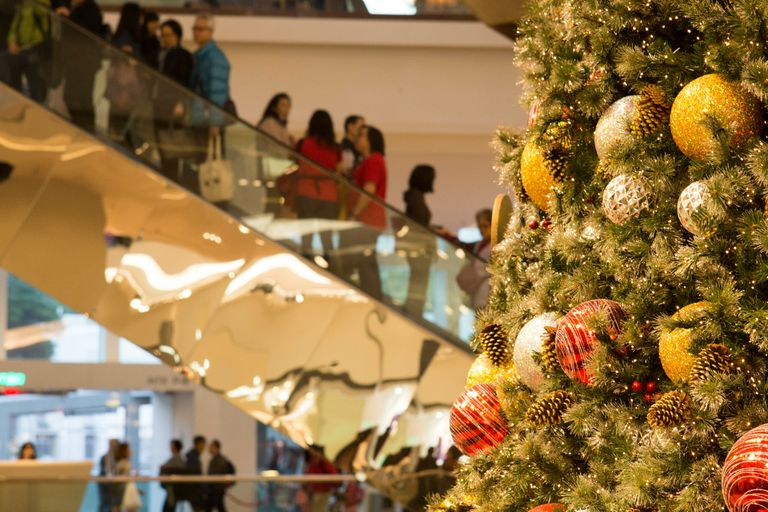
The holiday season is approaching quickly, and shoppers are preparing to open their wallets — but not necessarily for more gifts.
According to JLL’s 2026 holiday shopping report, holiday spending is expected to increase 9.7% this year, bringing the total average spend to approximately $1,250 across three categories: gifts, food and decor, and entertainment and experiences.
One may expect that this increase is due to purchasing more gifts for friends and family. But the largest categorical increase this year is entertainment and experiences, with 17% growth from 2025.
“People are determined to have a happy holiday this year,” said Keisha Virtue, manager of retail research at JLL. “With such a big emphasis on experience, retailers have to engage people and appeal to their senses. People just want to enjoy themselves.”
The top experience for consumers, by far, is going out to dinner, with approximately 93% of those surveyed planning to do so. In total, shoppers are planning an average of about four experiences this season, signaling that people want to make memories by spending quality time with their loved ones.
The amount people plan to spend on gifts, however, comes in at just under $600. This represents a modest 3% dip from 2025.
But how much shoppers ultimately plan to spend may depend on more than their projected budgets. Where they shop and how long they plan to spend there can also influence their purchasing decisions.
“To a certain extent, dwell time is still valid and valuable,” Virtue said. “We really see that peak in spending this year between the 60-to-90-minute window, and then a bit of a decreasing return after that, which is different from last year.”
In 2025, Virtue said the longer consumers spent in stores, the more they planned to spend. This year, the picture is more nuanced.
Consumers who shop across a greater variety of store types will spend the most this year, Virtue said. Malls are very well suited to this, as they offer a wide range of retail categories. They’re also witnessing an uptick in popularity, with more than 55% of shoppers planning to visit at least one mall this season.
Naveen Jaggi, president of retail advisory services at JLL, added that now that the mall sector has undergone a correction, with many of the underperforming malls either demolished or converted to other uses, owners of these properties are allocating more money to make their malls more attractive destinations.
“The reason why the malls are back is because the options for going to malls today are much better than they were 20 years ago,” he said. “You have a much better variety of stores and entertainment and food options. As a result, kids and teens want to be there, and parents find malls a much more reasonable place to be, compared to the past couple decades when malls didn't typically feel like a nice venue.”
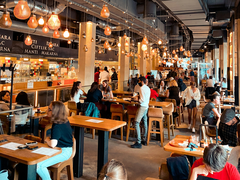
A crucial part of a shopping center or mall’s success this holiday season is the food and beverage options available to consumers, Jaggi said.
According to the report, less than 15% of shoppers will buy no food or beverages at all during their holiday shopping experience. About 20% will buy something during every trip they make, up more than 12% from 2025, and more than 21% will buy food and beverages “often” during their holiday outings.
Jaggi added that though these are national figures, consumer patterns can vary by region. For example, the way people shop and eat in Miami is much different than the way people consume in Houston, based on differences in their local economies and preferences. But despite regional nuances, one thing stays the same: The more variety the consumer has, the longer the dwell time becomes, which translates to more dollars spent.
“Food and beverage was really hot prior to the pandemic but then dropped off,” he said. “Coming out of the pandemic, we found that people were eating out again, and it’s now become an absolutely essential part for any retail center.”
With in-person visits to stores on the upswing, online shopping is expected to witness a slight decline from 2025 — though it remains the most popular way for people to shop this holiday season, with 80% of shoppers saying they will make at least one online purchase.
In addition to online shopping, another technological innovation is expected to have a big impact on consumer behavior: artificial intelligence.
Virtue said 2026 is the first year that AI has made it into JLL’s holiday shopping report, and it’s already a mainstay. It’s estimated that 60% of shoppers will use AI to plan for their upcoming purchases, compare deals or come up with gift ideas.
“This is the first time we've asked questions about AI, and I was surprised at just how much it already has had an impact on shoppers planning to use it for the holiday,” she said. “Most people who say they're going to use AI will be using it for gift ideas or to save money by finding sales across different stores. It’s actually influencing people on where to shop, so this will be key for retailers and shopping centers to leverage as we head into the holidays.”
One deciding factor that has yet to be resolved is the midterm elections on Nov. 3. Consumers usually start making their purchases around the start of November, so how the consumer reacts has yet to be determined.
“We won't really know how the consumer is going to be buying until after the election,” Jaggi said. “Elections tend to make you think one way or the other based on who wins. Many people have the belief that if my person wins, it's going to be a lot better, and so they'll start spending money. If my person doesn't win, then I'm going to pull back.”
Jaggi said he’s also paying close attention to shoppers' ongoing concerns about inflation. In September, inflation rose to 3.7% — more than experts predicted. Interest rates witnessed their first increase in more than three years. Jaggi said this could have consumers on the edge of their seats, waiting for what’s going to happen next.
“Consumers are still going to lead with their wallet,” he said. “Interest rates continue to climb, which creates additional costs for consumers that are already stretched with credit card debt. If credit card debt becomes an issue, with APR going up, that's going to have a sobering impact on the way consumers look at what they buy.”
As a result, mass merchandisers and discount stores, such as Walmart, Costco and TJ Maxx, are likely to see strong performances this holiday season, Jaggi said.
Despite all of these factors, Virtue and Jaggi agreed that it’s clear consumers are willing to spend, but it’s up to retail centers to capture their attention.
“The main question is: Are you engaging consumers?” Virtue said. “Are customers having fun when they go to your store? That’s the question that needs to be answered this particular holiday season.”
This article was produced in collaboration between JLL and Studio B. Bisnow news staff was not involved in the production of this content.
Studio B is Bisnow’s in-house content and design studio. To learn more about how Studio B can help your team, reach out to studio@bisnow.com.