As we all reflect on last New Year’s resolutions (sigh... we still haven’t finished the pillow fortress in our home office), Bisnow is taking a look at healthcare real estate and which predictions came true.
The industry predicted major consolidation, and it's come true as hospitals continue to merge with other hospitals and physician groups (or partner when they can't acquire), Newmark Grubb Knight Frank senior managing director Michael Bennett tells us. As hospitals' costs rise and reimbursement rates from Medicare and private insurance companies drop, they need economies of scale to battle costs and a larger patient base to drive revenue. Recent examples: the finalized merger between Edward Hospital and Elmhurst Memorial Healthcare and the proposed merger of Cadence Health and Rockford Health System. (So update your flow charts, people.) Presence Health, the past merger of Provena and Resurrection, is already planning a $150M building in Lincoln Park at its lakefront campus.
But the other expected trend this year, a more vigorous hospital-driven monetization of real estate assets, hasn't materialized, Michael says, most likely put on the backburner with the enactment of the Affordable Care Act and other financing alternatives like bonds. Further complicating the decision to sell and lease-back are FASB accounting practices. The decision to monetize is typically a very long process with a lot of moving parts. "Some of the deals we have been working on are two to three years in the making. These deals are meaningful to hospitals' bottom line and they can't afford to make a mistake," he adds.
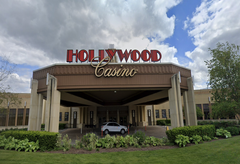
With Ventas' $82M buy of an Advocate portfolio and Griffin-American Healthcare REIT II's $36M acquisition of Adventist Health System buildings in Hinsdale (above) the major local transactions of 2013, Michael thinks 2014 will be even more active. And Chicago groups continue to aggressively chase deals around the country, like Harrison Street's recent $500M purchase of Washington Real Estate Investment Trust's hotly contested medical office portfolio in DC. Local Mid-Cap funds like MedProperties Group and Stage Equity Partners are also raising more capital to compete with the REITs, and hopefully the expected delivery of more outpatient facilities can satisfy some of that demand, he says. (Though cap rates will likely remain at historic lows.)
"The biggest threat to a robust 2014 is interest rate volatility," Michael (snapped moderating a Bisnow event) tells us, but we shouldn't see that for another year or two provided the Fed sticks to what they announced. (Can we get a pinky swear or something on this?) REITs will be especially sensitive to any fluctuations, as evidenced by their notable drop in stock value after the end of summer uptick in rates. Michael's currently working on deals for several on-campus and off-campus MOBs, and acute-care hospitals, around the country. He's looking forward to moving to Colorado with his wife for a month to enjoy some snowboarding and a "different office space environment."