The market’s prematurely eulogizing brick and mortar retail. (People are already selling off their stuff, which ironically would have kept them in business.) Until you can push a button on your iPhone and have your Big Mac appear, it’s not going anywhere, Marcus & Millichap national retail director Bill Rose tells us.
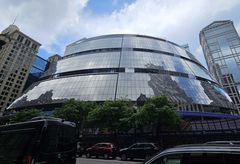
Retail may be changing too quickly for those who liked to spend the evening reading at Borders, but occupancy in Chicago is improving quarter over quarter despite the supposed e-commerce threat, Bill says. (Above right, he’s snapped with VP Steven Weinstock and some killer Chicago architecture.) You may be able to order your Manolo Blahniks or a Bonobos suit online if you’re a couch shopper, but service retail cannot be virtualized and actually benefits from Internet-driven consumption growth, he points out. (Fresh Direct grocery delivery might work in NYC, but we seem to like perusing the aisles for free samples.)
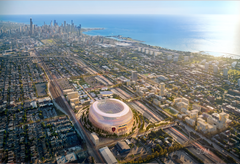
Bill’s seeing increased interest from foreign capital (Canada, Israel, China) in larger size Chicago retail deals, with EB-5 money on the smaller end. For investors thinking Chicago’s 6.5% and 7% cap rates are too expensive, they need to weigh that against the market’s cheap cost of capital and sustainable health now that bad debt has cleared through the system, Bill says. Just look at Chicago’s uniquely robust grocery market (not seen in New York or LA, where nobody eats anything). Dominick’s may have said goodbye, but Safeway’s merged with New Albertsons and formerly niche players like Mariano’s and Whole Foods are gaining market share. (Not to mention Piggly Wiggly and Meijer throwing their hats in the ring.)
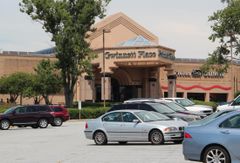
Retail change does come with challenges, Bill says. The market has shown great resilience with Dominicks, but now Radio Shack’s on its way out (above), Office Depot/Staples are consolidating, and Sears and JCPenney are flailing. It’s caused some inevitable flux in suburban open-air centers (though Oak Brook reigns supreme), but he expects space to be absorbed and cut up quickly by retailers reinvesting in their store presentation. Hobby Lobby might move into an old Walmart, a Walgreens could become an ethnic market or Dollar Tree, and some retail could even become a dialysis center like DaVita or a medical records facility, he says. Bill’s best meal this trip to Chicago was at The Girl & The Goat, where “eclectic is not a good enough word” for the menu.